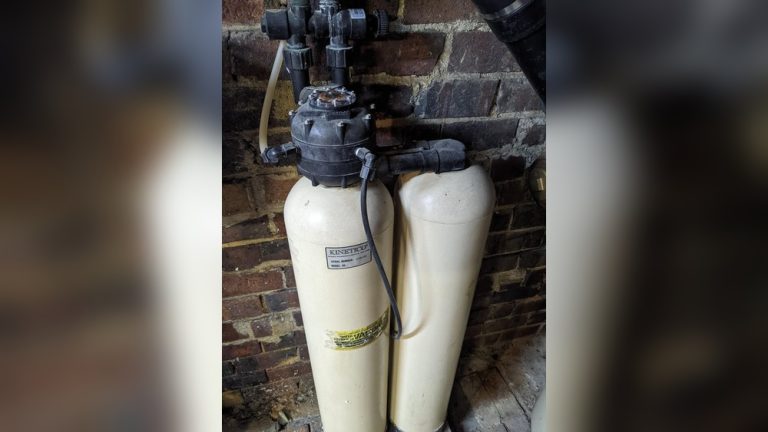

Is your water softener brine tank leaking? If so, you’re not alone—and it’s a problem you don’t want to ignore.
A leaking brine tank can cause water damage, waste salt, and stop your water softener from working properly. But don’t worry, understanding why it leaks and how to fix it is easier than you think. Keep reading to discover simple steps you can take to protect your home and keep your water softener running smoothly.
Common Causes Of Brine Tank Leaks
Brine tank leaks can cause water damage and reduce your water softener’s efficiency. Knowing the common causes helps fix problems fast. Many leaks come from simple issues. Spotting these can save time and money.
Cracks And Damage
Cracks in the brine tank often cause leaks. Plastic tanks can crack from age or pressure. Physical damage during installation or cleaning also leads to cracks. Even small cracks let water escape. Check the tank for visible damage regularly.
Faulty Seals And Connections
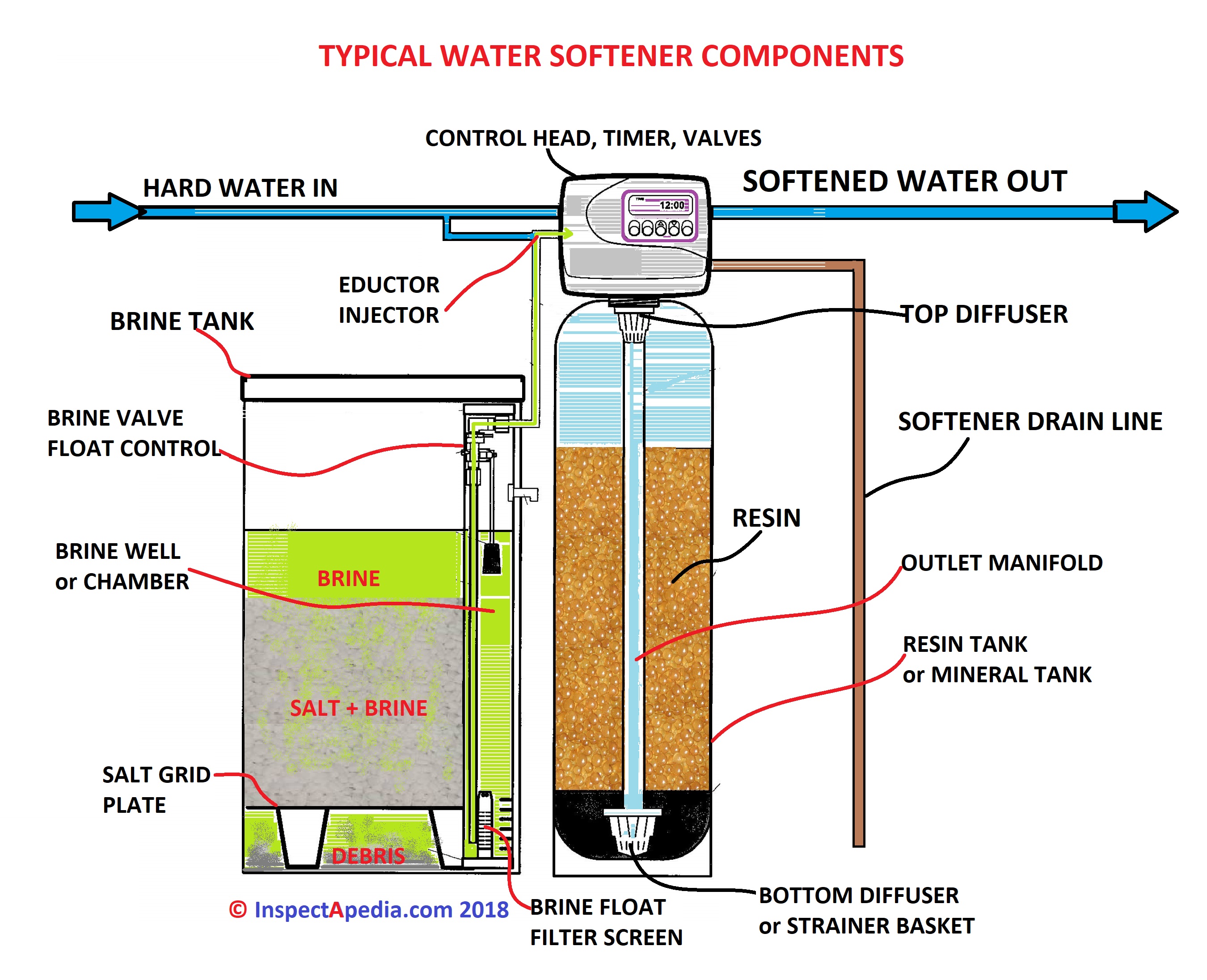
Seals and connections join parts of the brine tank. Worn or loose seals cause leaks. Pipes and fittings may also loosen over time. Salt and water pressure can wear out seals. Tighten connections and replace seals to stop leaks.
Salt Bridge Formation
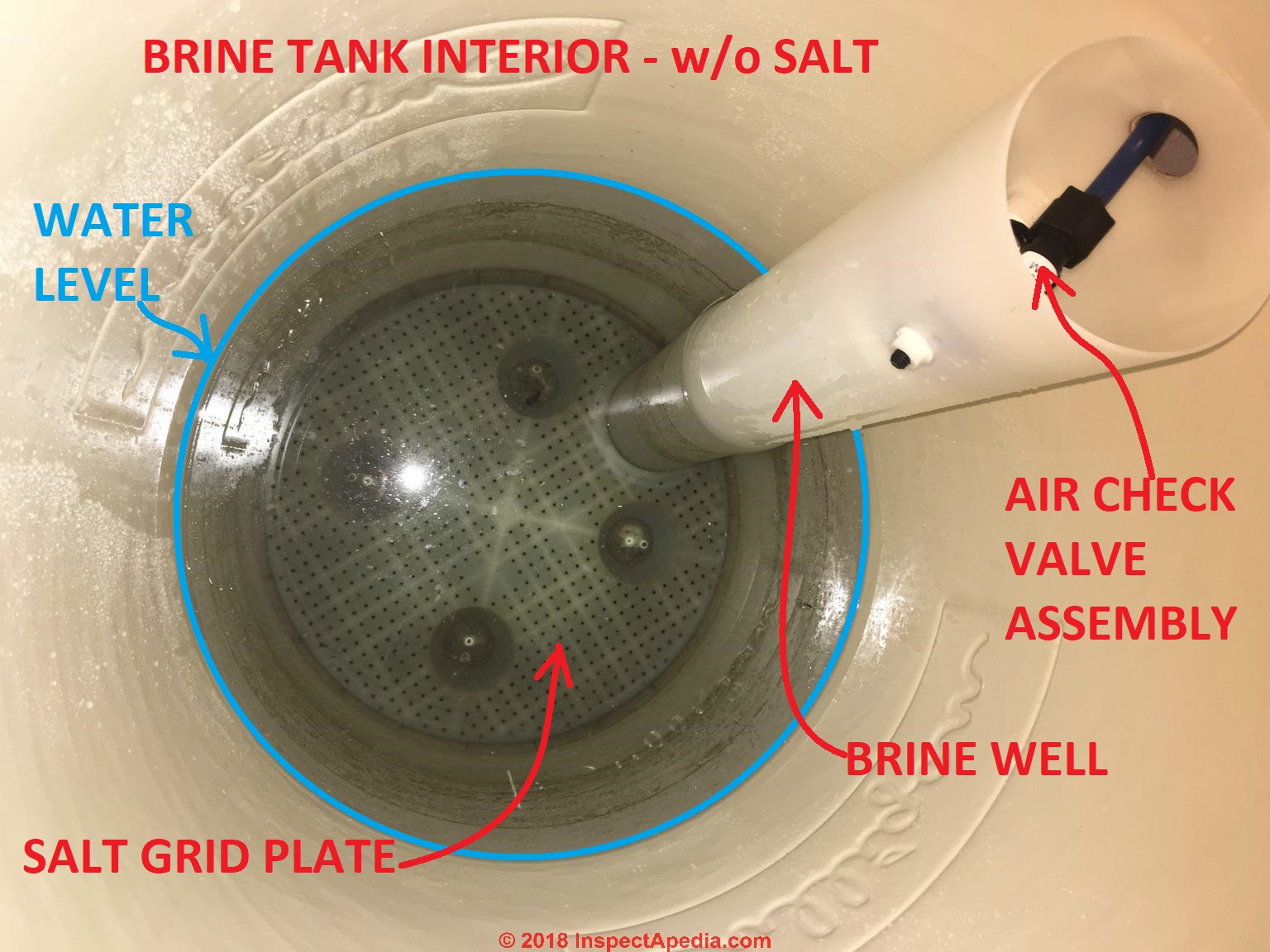
Salt bridges form when salt hardens inside the tank. This crust blocks salt from dissolving. Water sits below the salt bridge and can leak out. The tank may overflow or leak due to pressure. Break up salt bridges to prevent leaks and improve softener function.
Signs Your Brine Tank Is Leaking
Noticing a leak in your water softener’s brine tank can prevent bigger problems. Early signs help you act fast. These signs show your brine tank might be leaking and need attention.
Water Puddles Around The Tank
Water pools near the base of the brine tank. This is a clear sign of a leak. The floor may feel damp or slippery. Check the area after the tank refills. Persistent puddles mean the tank is losing water.
Unusual Salt Residue
Salt builds up outside the tank. This appears as white or crusty patches. Salt deposits form when brine leaks and dries. This residue is not normal. It shows brine is escaping from cracks or holes.
Reduced Water Softening Efficiency
Your water may feel harder than usual. Clothes might not feel soft after washing. Soap may not lather well. These signs point to less salt in the system. A leaky brine tank loses salt solution, lowering effectiveness.
Step-by-step Leak Repair Tips
Fixing a leak in your water softener brine tank is possible with some simple steps. Careful checking and small repairs can stop leaks fast. Follow these easy tips to fix your tank safely and keep your system working well.
Inspecting The Tank And Components
Start by turning off the water supply. Check the tank for cracks or holes. Look at all connections and fittings. Watch for water around seals and hoses. Small leaks often come from loose or damaged parts. Tighten any loose fittings carefully. Note any parts that look worn or broken.
Fixing Cracks With Sealant
Clean the cracked area with a dry cloth. Use a waterproof sealant made for plastic or metal. Apply the sealant evenly over the crack. Let it dry as the label says. Avoid using too much sealant to prevent mess. After drying, test the tank by slowly adding water. Check if the leak stops.
Replacing Worn Seals And Hoses
Old seals and hoses can cause leaks. Remove the worn parts by loosening clamps or screws. Buy exact replacement parts for your model. Install new seals and hoses firmly. Tighten clamps but do not overtighten. Run water to check for any leaks. Replace parts again if water still leaks.
Clearing Salt Bridges Safely
Salt bridges can cause pressure and leaks. Gently break the hardened salt using a wooden stick. Avoid using metal tools that can damage the tank. Remove loose salt carefully. Empty the tank if salt buildup is heavy. Refill with fresh salt and add water. Check the tank for leaks after clearing.

Credit: www.reddit.com
Preventing Future Leaks
Preventing future leaks in your water softener brine tank saves money and hassle. Small steps keep the system working well. Regular checks and care stop leaks before they start. Focus on key areas for the best results.
Regular Maintenance Routine
Check the brine tank every month. Clean out salt build-up and dirt. Look for cracks or damage on the tank walls. Run the system through a cleaning cycle often. This keeps parts working smoothly. Early fixes stop leaks from growing worse.
Proper Salt Usage And Storage
Use the right salt type for your softener. Avoid salt with impurities that cause clogs. Store salt in a dry place to stop it from clumping. Fill the tank only up to the recommended level. Too much salt puts pressure on the tank walls.
Checking For Corrosion And Wear
Inspect metal parts for rust or wear signs. Rust weakens the tank and causes holes. Replace old or damaged parts quickly. Use protective coatings on metal surfaces. Keep the tank dry outside to avoid corrosion. Small problems grow fast without care.
When To Call A Professional
Knowing when to call a professional for a water softener brine tank leak saves time and money. Some problems are easy to fix. Others need expert help. Ignoring serious issues may cause more damage. A pro can find the root cause and fix it right.
Complex Damage Cases
Cracks inside the tank or broken valves need a professional. These problems require special tools and skills. Attempting repair without experience may worsen the leak. A technician can safely open the tank and replace parts. They know how to handle complex damage safely.
Persistent Leak Issues
Leaks that come back after repair need expert attention. A pro can check hidden parts and connections. They use testing tools to find small leaks. Persistent leaks may signal deeper problems inside the system. Calling a professional stops the leak for good.
Upgrading Your Water Softener System
Sometimes leaks show that the system is outdated. A professional can suggest a better model. Upgrading improves water quality and saves salt and water. Experts install new systems correctly and check for leaks. This prevents future problems and saves money in the long run.
Credit: inspectapedia.com
Credit: inspectapedia.com
Frequently Asked Questions
Why Is My Water Softener Brine Tank Leaking?
A brine tank leak often results from cracks, loose fittings, or a damaged float valve. Inspect for visible damage and ensure all connections are tight. Regular maintenance helps prevent leaks and prolongs your water softener’s life.
How Can I Fix A Leaking Brine Tank?
To fix a leak, first turn off the water supply and drain the tank. Patch small cracks with waterproof sealant or replace damaged parts. For persistent leaks, consider consulting a professional technician for a thorough inspection.
Can Salt Buildup Cause Brine Tank Leaks?
Yes, excessive salt buildup can block the drain or cause overflow, leading to leaks. Regularly clean the tank and use the recommended salt type. Proper maintenance prevents salt-related leaks and ensures efficient water softener operation.
How Often Should I Inspect My Brine Tank For Leaks?
Inspect your brine tank every 3 to 6 months for leaks and salt buildup. Early detection helps avoid costly repairs and maintains softener efficiency. Regular checks keep your system running smoothly and leak-free.
Conclusion
A leaking brine tank can cause many problems at home. Fixing leaks quickly saves water and stops damage. Check your tank often for cracks or loose parts. Clean the tank regularly to keep it working well. Small repairs help your water softener last longer.
Don’t ignore leaks—they can get worse over time. Keep your water softener in good shape for cleaner water. Simple care makes a big difference in your home’s comfort.