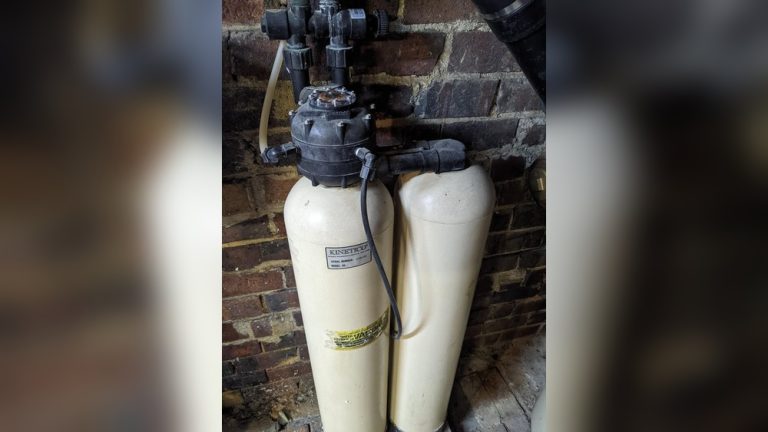

Is your Rheem water softener leaking and causing a mess? A leaking water softener can waste water, increase your bills, and even damage your home.
You might feel frustrated or unsure about what’s causing the leak and how to fix it. Don’t worry—you’re not alone, and this problem is easier to solve than you think. Keep reading to discover simple steps you can take to identify the leak, stop it quickly, and keep your water softener working smoothly.
Your home and peace of mind depend on it.

Credit: www.reddit.com
Common Causes Of Rheem Water Softener Leaks
Leaks in Rheem water softeners can cause water damage and reduce system efficiency. Finding the cause quickly helps prevent bigger problems. Several parts in the softener may wear out or break over time. Knowing common causes of leaks makes it easier to identify and fix the issue.
Worn Out Seals And O-rings
Seals and O-rings keep water inside the softener. These parts wear out due to age or hard water minerals. Cracked or brittle seals allow water to escape. Replacing worn seals stops leaks and improves performance.
Loose Or Damaged Connections
Connections link pipes to the water softener. Vibration or poor installation can loosen them. Damaged connectors create gaps for water to leak. Tightening or replacing these parts often stops leaks quickly.
Cracked Resin Tank
The resin tank holds tiny beads that soften water. Cracks can form from freezing or impact. Water leaks from a cracked tank and lowers softener effectiveness. Inspecting and replacing the tank fixes the leak.
Faulty Valve Or Control Head
The valve controls water flow through the softener. A broken valve or control head can cause leaks. Wear or debris can prevent a tight seal. Repairing or replacing faulty parts restores proper function and stops leaks.

Credit: www.reddit.com
Tools And Materials Needed For Repairs
Fixing a Rheem water softener leak needs the right tools and materials. Having these ready makes the repair easier. It helps avoid delays and errors. Below are the key items to prepare before starting the repair.
Basic Plumbing Tools
Start with essential plumbing tools. A pipe wrench and adjustable wrench help loosen or tighten fittings. Slip-joint pliers grip pipes and parts firmly. A screwdriver set is useful for removing panels or screws. A bucket catches water that may spill during repair. A flashlight provides light in dark spots.
Replacement Parts
Identify parts that may need replacing. Common parts include O-rings, seals, and washers. Check the Rheem model manual for specific parts. Order genuine parts for best fit and performance. Having replacements ready speeds up the repair process. Inspect old parts closely to avoid missing damage.
Sealants And Lubricants
Sealants stop leaks at joints and connections. Use plumber’s tape or thread sealant for threaded pipes. Silicone grease lubricates O-rings and seals. This helps parts fit tightly and last longer. Avoid using regular grease, as it can damage seals. Proper sealing prevents future leaks effectively.
Step-by-step Leak Fixes
Fixing a Rheem water softener leak can seem tough. Following clear steps helps solve the problem fast. This guide breaks down the process into easy tasks. Each step targets a common cause of leaks. Take time to check each part carefully.
Turning Off Water And Power Supply
Start by shutting off the water supply to the softener. This stops water flow and prevents more leaks. Next, turn off the power to the unit. Unplug it or switch off the circuit breaker. This keeps you safe while working on the system.
Inspecting And Tightening Connections
Look closely at all pipe and hose connections. Loose fittings often cause leaks. Use a wrench to tighten any loose connections. Avoid overtightening, which may cause damage. Check for cracks or worn parts that may need replacing.
Replacing Seals And O-rings
Seals and O-rings wear out over time. Remove the leaking parts carefully. Replace old seals with new ones that fit your model. Lubricate O-rings with silicone grease before installing. This ensures a tight, leak-free seal around joints.
Fixing Or Replacing The Resin Tank
Leaks can come from cracks in the resin tank. Inspect the tank for visible damage or leaks. Small cracks may be sealed with waterproof tape temporarily. For serious damage, replace the resin tank completely. Check tank seals and replace them if needed.
Servicing The Valve And Control Head
The valve and control head control water flow inside the softener. Remove and clean these parts to remove buildup or debris. Replace worn or broken components that cause leaks. Reassemble carefully, ensuring all parts fit snugly without gaps.

Credit: www.reddit.com
Preventive Maintenance Tips
Preventive maintenance keeps your Rheem water softener running smoothly. It stops leaks and extends the system’s life. Small checks and care can save big repair costs. Follow simple steps to avoid common problems.
Regular Inspection Schedules
Check your water softener every month. Look for cracks, leaks, or loose parts. Tighten any fittings that seem loose. Notice unusual sounds or smells. Early signs help fix problems fast.
Cleaning And Flushing The System
Clean the resin tank and brine tank regularly. Flush the system to remove dirt and buildup. This stops clogs and keeps water flowing well. Use the manufacturer’s guide for safe cleaning steps.
Using Quality Salt And Water
Choose high-quality salt made for water softeners. Avoid cheap or impure salt that causes blockages. Use clean water to fill the brine tank. Poor salt and water lower system efficiency and cause leaks.
When To Call A Professional
Knowing when to call a professional for a Rheem water softener leak saves time and money. Some problems need expert skills to fix properly. Early action prevents bigger damage and costly repairs. Watch for clear signs that a professional’s help is necessary.
Signs Of Serious Damage
Water pooling around the unit means a major leak. Strange noises or constant dripping also show serious issues. A foul smell or discolored water signals internal damage. These signs require immediate professional attention. Ignoring them can cause more harm.
Complex Repairs Beyond Diy
Leaks from internal valves or resin tanks need special tools. Repairing electrical parts or control boards is risky without training. Fixing these parts alone can void warranties. Professionals have the right knowledge and equipment. They ensure the softener works safely again.
Warranty And Service Support
Rheem water softeners often come with warranties. DIY repairs may cancel these protections. Certified technicians know how to keep warranties valid. They offer authorized service and genuine parts. Calling a professional protects your investment and ensures quality repairs.
Frequently Asked Questions
Why Is My Rheem Water Softener Leaking?
A Rheem water softener may leak due to loose fittings, damaged seals, or cracked tanks. Check all connections and seals for wear. Inspect the tank for visible cracks. Promptly fixing these issues prevents water damage and maintains efficient softener function.
How Can I Fix A Leaking Rheem Water Softener Valve?
To fix a leaking valve, first turn off the water supply. Tighten loose screws or replace faulty O-rings. If the valve is cracked, replace it entirely. Regular valve maintenance helps avoid leaks and ensures smooth water softener operation.
Can A Clogged Drain Line Cause Rheem Water Softener Leaks?
Yes, a clogged drain line can cause leaks. Blocked drainage creates pressure, forcing water out of seals or connections. Clean the drain line regularly to prevent buildup. Proper drainage is essential for leak-free Rheem water softener performance.
When Should I Call A Professional For Rheem Water Softener Leaks?
Call a professional if leaks persist after basic fixes or if the tank is cracked. Experts can diagnose complex issues and perform safe repairs. Timely professional help prevents further damage and costly repairs.
Conclusion
A leaking Rheem water softener can cause many problems at home. Fixing leaks early saves water and prevents damage. Check the unit often for cracks or loose parts. Clean and maintain your softener regularly to keep it working well. Small steps can stop leaks from getting worse.
Trust your eyes and ears; unusual sounds or wet spots mean action is needed. Staying alert helps keep your water softener safe and efficient. Simple care leads to long-lasting performance and peace of mind.