
Is your water softener not working like it used to? You rely on it every day to make your water cleaner, gentler, and free from hard minerals.
When it stops working, you might notice spots on your dishes, dry skin, or even damage to your plumbing. It can be frustrating and confusing—especially when you don’t know what’s wrong or how to fix it. You’ll discover the common reasons why your water softener might fail and simple steps you can take to get it back on track.
Keep reading to protect your home and enjoy soft, smooth water again.
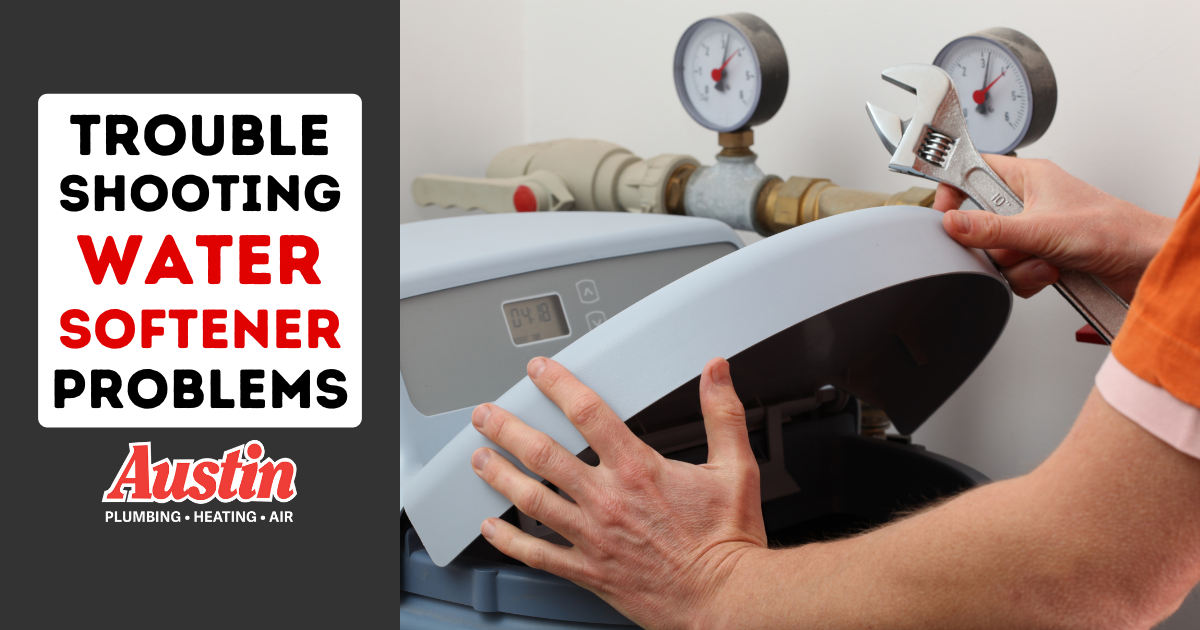
Credit: teamaustin.com
Common Signs Of A Malfunctioning Water Softener
Water softeners help remove minerals like calcium and magnesium from water. Sometimes, they stop working properly. Knowing the signs of a malfunctioning water softener can save you time and money. Spotting these signs early helps keep your water soft and your appliances safe.
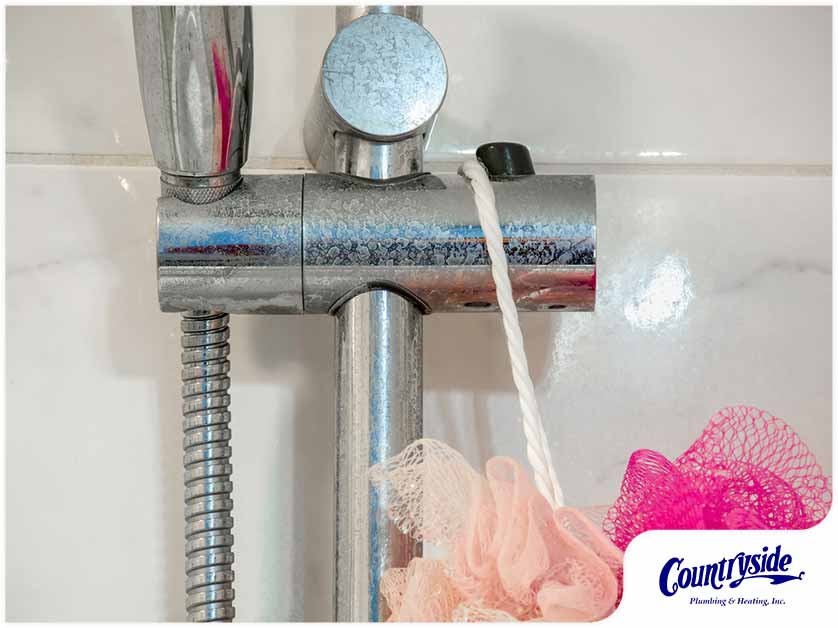
Hard Water Symptoms
One clear sign is hard water coming from taps. You may see white spots on dishes and glassware. Soap may not lather well during showers or washing. Clothes can feel rough or look faded after washing. Pipes might get clogged or show signs of buildup. These all point to your water softener not working.
Salt Bridge Formation
Salt bridges happen when salt hardens inside the softener tank. This stops the salt from dissolving properly. Water softening stops because the salt cannot reach the water. You may notice a crusty layer on top of the salt. The softener may make strange noises or stop regenerating. Breaking the salt bridge usually fixes the issue.
Resin Bead Issues
The resin beads trap hard minerals in the softener. Over time, beads can get dirty or break down. This lowers the softener’s ability to clean water. Water may taste strange or feel harsh. The system may need cleaning or resin replacement. Resin problems reduce the softener’s efficiency.
Credit: www.countrysideph.com
Checking Salt Levels And Quality
Checking the salt levels and quality in your water softener is a key step. Salt helps the softener clean the hard minerals from your water. Without enough salt or with poor quality salt, the softener cannot work well.
Regular checks keep your water softener running smoothly. You can avoid many common problems by maintaining salt properly.
Types Of Salt To Use
Choose the right salt for your water softener. Common types include rock salt, solar salt, and evaporated salt. Evaporated salt is the purest and works best. Rock salt is cheaper but may have more impurities. Solar salt is made by evaporating seawater and is fairly pure. Using the right salt helps your softener clean water better.
How To Inspect Salt Levels
Check the salt level in the brine tank regularly. The salt should cover the water by a few inches. If the salt is low, add more. Avoid letting the salt run out completely. Use a flashlight to see inside the tank. Stir the salt if it looks hard or packed. This keeps it from clumping and blocking the softener.
Dealing With Salt Bridges
Salt bridges are hard layers of salt that block water flow. They stop the softener from working well. To fix a salt bridge, gently break it with a broom handle or stick. Avoid using sharp tools that can damage the tank. After breaking the bridge, check salt levels again. Removing salt bridges helps the water softener work properly.
Inspecting The Regeneration Cycle
Inspecting the regeneration cycle is key to fixing a water softener that does not work. The regeneration cycle cleans the resin beads inside the softener. These beads trap hard minerals like calcium and magnesium. Over time, the beads fill up and lose effectiveness. The cycle flushes these minerals away, allowing the softener to work again.
Checking this cycle helps find problems stopping the softener from softening water. The cycle can run manually or automatically. Each system has a different way to start and control this process. Understanding these options helps keep your water softener in good shape.
Manual Vs Automatic Regeneration
Manual regeneration means you start the cycle by hand. You press a button or turn a dial. This option gives control over timing. But you might forget to do it regularly. That can cause hard water issues.
Automatic regeneration happens on its own. The softener uses a timer or senses water use. It starts the cycle at set times. This option is easy and consistent. It needs less attention from you.
How To Initiate A Regeneration
To start manual regeneration, find the control panel or dial. Follow the instructions in your softener’s manual. Usually, press and hold a button or turn a knob. Wait for the cycle to complete before using water.
Automatic systems start by themselves. You can adjust the timer or settings. This keeps the softener running smoothly without effort.
Common Regeneration Problems
The cycle may not start due to power issues. Check the power supply and connections. Sometimes the timer or control board fails. Replace or reset parts if needed.
Salt bridges or clogs can block the brine tank. This stops the softener from drawing salt water. Break up salt chunks carefully and clean the tank.
Water pressure problems also affect regeneration. Low pressure can prevent proper flushing. Ensure valves and pipes are open and clear.

Credit: www.reddit.com
Cleaning And Maintaining The Resin Tank
Cleaning and maintaining the resin tank is key to keeping your water softener working well. The resin beads inside the tank catch hard minerals like calcium and magnesium. Over time, these beads get dirty and lose their power to soften water. Regular cleaning helps the resin beads stay effective and extends the life of your system.
Neglecting the resin tank can cause your water softener to stop working. Dirt, iron, and other debris build up on the resin beads. This buildup blocks the beads from trapping hard minerals. Your water might feel hard again, with spots on dishes or rough skin. Cleaning the resin tank solves these problems and keeps your water soft.
Signs Resin Needs Cleaning
Water feels hard or tastes strange. White spots appear on dishes or glasses. Soap does not lather well on skin or clothes. The water softener uses more salt than usual. Water pressure drops in your home. These signs suggest the resin tank needs cleaning soon.
Resin Cleaning Methods
Use a resin cleaner designed for water softeners. Follow product instructions carefully. Turn off the water softener before cleaning. Add the cleaner to the brine tank or resin tank. Run a manual regeneration cycle to clean the resin beads. Avoid harsh chemicals that can damage the resin. Clean your resin tank every six months for best results.
When To Replace Resin
Resin beads usually last 10 to 15 years. Cleaning helps, but resin wears out eventually. If cleaning does not fix soft water problems, resin may be bad. Resin looks dark or sticky inside the tank. Water hardness returns after cleaning attempts. Replace resin if these signs appear to restore water softness.
Checking Water Pressure And Flow Rate
Checking water pressure and flow rate is important when a water softener does not work well. These two factors affect how the softener cleans hard water. Low pressure or slow flow can stop the softener from working properly. Understanding how to check these helps find and fix problems fast.
Effects Of Low Water Pressure
Low water pressure can make your water softener less effective. It may reduce water flow through the system. This stops the softener from removing minerals well. Pipes or valves may be blocked or leaking. Low pressure can also cause uneven water softening in your home.
How To Measure Flow Rate
Measuring flow rate shows how much water moves through your softener. Use a container with a known volume, like a gallon jug. Open the faucet fully and time how long it takes to fill the container. Divide the volume by the time in minutes. This gives flow rate in gallons per minute (GPM). Compare this to your softener’s recommended flow rate for best results.
Fixing Flow-related Issues
Clean clogged pipes and check for leaks to improve flow. Replace old or damaged valves that restrict water movement. Adjust your home’s main water valve to increase pressure if it is too low. Sometimes, installing a booster pump helps raise flow and pressure. Regular maintenance keeps your softener running smoothly.
Examining The Bypass Valve And Settings
The bypass valve plays a key role in your water softener’s function. It controls the flow of water, allowing you to divert water around the softener. If this valve is not set right, the softener may stop working. Checking the bypass valve and its settings helps find common issues. Fixing these can restore soft water quickly.
Identifying Bypass Valve Issues
The bypass valve may get stuck or leak over time. Look for water flowing without softening. Check if the valve handle moves smoothly. If it feels loose or too tight, there could be a problem. Also, check for cracks or breaks on the valve body. These signs often cause water to bypass the softener.
Correct Valve Settings
The bypass valve usually has three positions: service, bypass, and closed. In service mode, water flows through the softener. Bypass mode lets water flow around it. Closed stops all water flow. Make sure the valve is in service mode for softening. Wrong settings mean hard water passes through unchanged.
How To Repair Or Replace
Turn off the water supply before working on the valve. Tighten loose parts or clean any debris blocking movement. Replace the valve if it leaks or is damaged. Use a valve made for your softener model. Follow the manual or get help from a professional. Proper repair ensures your softener works well again.
Testing Water Hardness After Treatment
Testing water hardness after treatment is an important step. It shows if the water softener works well. This test helps find any problems early. You can fix issues before they get worse. Testing also gives peace of mind about water quality.
Using Hardness Test Kits
Hardness test kits are easy to use at home. They come with strips or drops for water testing. Dip the strip or add drops to a water sample. Wait for the color to change. Compare the color to the chart that comes with the kit. This shows the level of hardness in the water.
Interpreting Test Results
Colors on the test kit show how hard the water is. Light colors mean soft water. Darker colors mean hard water. Check the chart for exact hardness numbers. Soft water usually has less than 7 grains per gallon. Higher numbers mean the water is still hard. This means the softener may not work properly.
Steps If Hardness Remains High
Test again to be sure of the results. Check the softener’s salt level and add salt if low. Clean the resin beads inside the softener. Look for any system leaks or bypasses. Call a professional if problems continue. Fixing these issues can improve water softness quickly.
When To Call A Professional
Knowing when to call a professional can save time and money. Some water softener problems need expert help. Trying to fix complex issues alone may cause more damage. Professionals have the tools and knowledge to handle tough repairs. They can also spot signs that mean it is time for a system replacement.
Complex Repairs
Complex repairs include broken valves, clogged resin tanks, or electrical faults. These problems are hard to fix without special tools. Professionals can diagnose and repair these issues quickly. Attempting to fix them yourself might lead to leaks or poor water quality. A technician can ensure the water softener works safely and effectively again.
System Replacement Signs
Some signs mean the water softener needs replacement. These include frequent breakdowns, rust in the tank, and poor water softness. Old systems may waste salt and water. A professional can check if repairs are enough or if replacement is better. Early replacement avoids bigger problems later.
Choosing The Right Technician
Choose a technician with experience in water softener repair. Check for proper licenses and good reviews. Ask about warranties on parts and labor. A skilled technician explains the problem clearly and offers honest advice. This helps you make the best decision for your home.
Frequently Asked Questions
Why Is My Water Softener Not Working Properly?
Your water softener may fail due to salt bridges, clogged resin beads, or power issues. Regular maintenance and salt refills help keep it functional.
How Can I Fix A Water Softener That Doesn’t Soften Water?
Check salt levels, clean the brine tank, and inspect resin beads. Also, ensure the timer and settings are correct for optimal performance.
What Causes Salt Bridges In Water Softeners?
Salt bridges form when salt hardens into a crust, blocking water flow. High humidity and infrequent refilling increase the risk of salt bridging.
How Often Should I Regenerate My Water Softener?
Regenerate your softener every 2-3 days or based on water hardness and usage. Regular regeneration ensures effective softening and prevents salt buildup.
Conclusion
A water softener that does not work can cause many problems at home. Check the salt level and clean the system regularly. Hard water can damage pipes and appliances over time. Fixing small issues early saves money later. Trust the process and keep your water softener maintained.
Clean water feels better and protects your home. Don’t ignore signs of trouble. Act quickly to enjoy soft, clean water every day. Simple care keeps your system running smoothly.