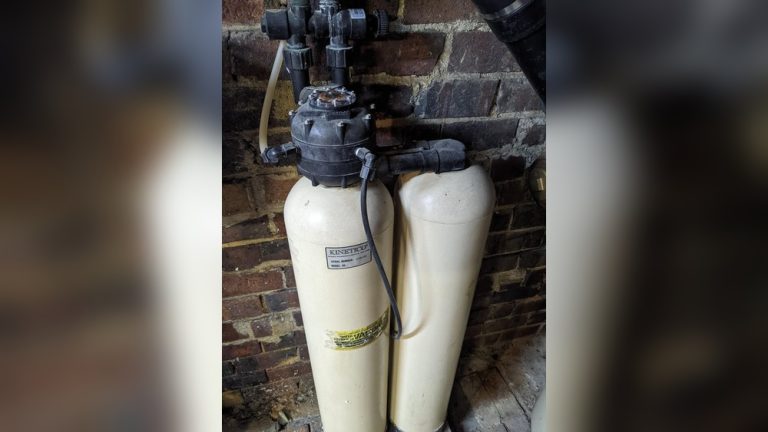

Is your Kenmore water softener leaking from the bottom? This can be frustrating and worrying, especially if you’re unsure what’s causing the problem.
A leak not only wastes water but can also damage your floors and lead to costly repairs. You need clear, simple answers and quick solutions to stop the leak and protect your home. Keep reading to discover why your Kenmore water softener might be leaking and how you can fix it before the problem gets worse.
Common Causes Of Bottom Leaks
Kenmore water softeners may leak from the bottom due to several common issues. Understanding these causes helps in quick diagnosis and repair. Leaks can waste water and damage floors. Identifying the root cause is the first step to fixing the problem.
Damaged Tank Or Resin Beads
The tank holds resin beads that soften water. Over time, the tank can develop cracks or holes. Resin beads may also break down and clog the system. Damage allows water to escape from the bottom. Regular checks help catch damage early.
Faulty Drain Line Or Valve
The drain line carries waste water away. A leak here can cause water to pool at the base. Valves control water flow and can wear out or break. Faulty parts lead to leaks and poor performance. Inspect these parts if the bottom is wet.
Worn Out O-rings And Seals
O-rings and seals keep water inside the system. These small parts wear out with time and use. When they fail, water leaks from joints and connections. Replacing worn O-rings often stops leaks quickly. Check seals during routine maintenance.
Cracked Brine Tank
The brine tank stores salt for regeneration. Cracks in this tank cause water to leak at the bottom. Damage can happen from impacts or age. Leaks here reduce softener efficiency and cause messes. Inspect the tank regularly for cracks or breaks.

Credit: www.youtube.com
Identifying The Leak Source
Finding the exact source of a Kenmore water softener leak is key to fixing it quickly. Leaks at the bottom can come from different parts. A clear method helps avoid guesswork and wasted time. Follow these steps to identify where the water escapes.
Visual Inspection Techniques
Start by looking closely at the softener’s base. Check for cracks or worn seals around fittings. Look under the unit for puddles or water stains. Use a flashlight to see dark or hidden spots. Watch for dripping during a regeneration cycle. Mark any wet areas with tape or a marker.
Checking Water Pressure
High water pressure can cause leaks in softeners. Use a pressure gauge on the inlet pipe. Normal pressure should be under 80 psi. If pressure is too high, leaks may appear at weak points. Adjust the pressure regulator if your system has one. Monitor pressure during operation to spot changes.
Testing Drain Line Integrity
Leaks can also start in the drain line. Check the line for cracks or loose connections. Run water through the system and watch the drain hose. Look for water dripping or pooling under the hose. Replace or tighten any damaged or loose parts. A good drain line keeps water flowing out without leaks.
Step-by-step Leak Repair
Fixing a Kenmore water softener leaking from the bottom requires careful steps. Follow each step closely to stop the leak and protect your home. This guide breaks down the repair process into clear parts.
Shutting Off Water Supply
First, turn off the main water supply to the softener. This stops water flow and prevents flooding. Locate the shut-off valve near the unit and close it tightly. Open a faucet nearby to drain any remaining water. This makes repairs safer and easier.
Replacing Seals And O-rings
Leaking often happens because seals or O-rings wear out. Remove the softener’s control valve or lid carefully. Check all seals and O-rings for cracks or damage. Replace any old or broken parts with new ones. Make sure the new seals fit snugly to avoid leaks.
Fixing Or Replacing Drain Lines
Drain lines can crack or loosen, causing leaks at the bottom. Inspect the drain line for holes or loose connections. Tighten any loose fittings. Replace the drain line if it is cracked or damaged. Use a flexible drain hose made for water softeners.
Repairing Or Replacing The Tank
Sometimes the tank itself leaks due to cracks or corrosion. Check the tank’s bottom and sides for damage. Small cracks might be sealed with waterproof epoxy. Large cracks or rusted tanks need full replacement. Installing a new tank ensures no more leaks.
Preventive Maintenance Tips
Preventive maintenance helps keep your Kenmore water softener working well. It stops leaks and other issues before they start. Small checks and care can save money and time. Follow these simple tips to protect your softener.
Regular Cleaning Schedule
Clean your water softener regularly to remove dirt and salt buildup. Dirty parts cause leaks and reduce efficiency. Use a soft cloth and mild soap. Avoid harsh chemicals that can damage the unit.
Inspecting Components Periodically
Check all parts of your softener often. Look at the tank, valves, and connections for cracks or wear. Replace any broken parts quickly. Early fixes prevent leaks from the bottom.
Using Proper Salt And Water Levels
Keep salt and water at the right levels in the brine tank. Too much salt can clog the system. Too little salt reduces softening power. Check levels weekly and refill as needed.
When To Call A Professional
Recognizing when to call a professional for a Kenmore water softener leaking from the bottom saves time and prevents damage. Some problems are simple to fix, but others require expert care. Knowing the signs helps protect your home and your appliance.
Complex Leak Issues
Leaks that continue after basic checks may have hidden causes. Internal parts or seals might be worn out or broken. A professional has tools and knowledge to find and fix these problems safely. Trying to fix complex leaks alone can cause more damage.
Warranty And Service Support
Your Kenmore water softener may still have a warranty. Repairing it yourself could void the warranty. Professionals follow guidelines to keep the warranty valid. They can also provide official service and quality parts for repairs.
Safety Considerations
Water softeners connect to plumbing and electrical systems. Incorrect handling risks water damage or electric shock. Experts understand safety protocols and have the right equipment. Calling a professional reduces risk and ensures a safe repair.
Credit: www.diychatroom.com
Frequently Asked Questions
Why Is My Kenmore Water Softener Leaking At The Bottom?
A leak at the bottom often indicates a damaged resin tank or loose drain line. Check seals, connections, and the tank for cracks. Regular maintenance can prevent leaks and prolong your softener’s life.
How Can I Fix A Bottom Leak On Kenmore Softener?
First, turn off the water supply and unplug the unit. Inspect seals and hoses for damage. Tighten connections or replace faulty parts. If the tank is cracked, professional repair or replacement is necessary.
Can A Clogged Drain Cause Kenmore Water Softener Leaks?
Yes, a clogged drain can cause water to back up and leak from the bottom. Regularly clean the drain line and check for blockages to prevent leaks and maintain proper function.
How Do I Prevent Future Leaks In My Kenmore Softener?
Regularly inspect seals, hoses, and the resin tank for wear. Clean the drain line and perform routine maintenance. Timely repairs can help avoid leaks and extend your water softener’s efficiency.
Conclusion
A Kenmore water softener leaking from the bottom needs quick attention. Check the drain line and seals for damage or clogs. Regular cleaning helps avoid leaks and keeps the system working well. Small leaks can turn into bigger problems if ignored.
Fixing leaks early saves money and water. Trust your senses—listen for drips and watch for puddles. A well-maintained softener means softer water and fewer issues. Stay alert to signs of leaks to protect your home. Keep your water softener running smoothly with simple care steps.