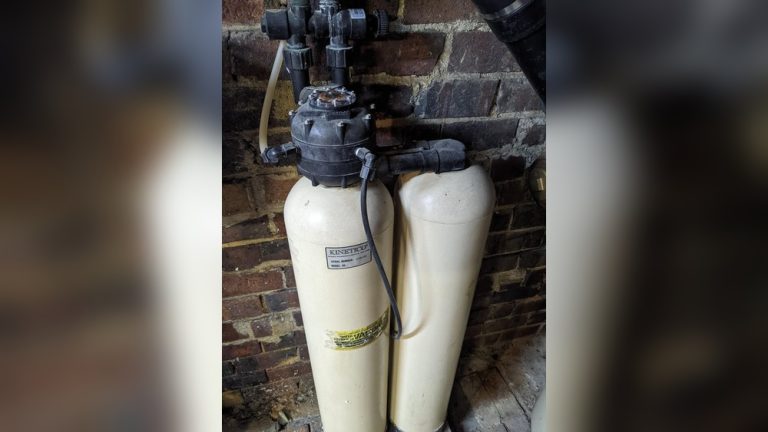

Is your Whirlpool water softener brine tank not draining properly? If so, you’re probably dealing with water buildup, poor softening, or even system malfunctions.
This issue can disrupt your daily routine and leave you wondering what’s wrong and how to fix it quickly. You’ll discover simple, effective ways to troubleshoot and solve the problem. Keep reading to regain the smooth, soft water you rely on every day.

Credit: www.youtube.com
Common Causes Of Brine Tank Drain Issues
The Whirlpool water softener brine tank sometimes faces drain problems. These issues stop the system from working right. Understanding common causes helps fix the problem faster.
Many times, the problem lies in simple parts. Cleaning or replacing them can solve the issue. Knowing what to check saves time and effort.
Clogged Drain Line
The drain line moves water out of the brine tank. Dirt, salt, or debris can block this line. A clogged drain line stops water flow. Cleaning the line clears the blockage. This allows water to drain smoothly again.
Faulty Drain Valve
The drain valve controls water leaving the tank. If the valve is broken, water cannot drain. A stuck or damaged valve needs repair. Replacing the valve fixes the draining problem. Proper valve function is essential for softener operation.
Salt Bridges And Mushing
Salt bridges form hard layers inside the tank. These layers block water from reaching the drain. Salt mushing creates a thick sludge at the bottom. Both conditions stop proper drainage. Breaking up salt bridges and removing mush restores flow.
Improper Installation
Incorrect installation affects how water drains. Pipes may be angled wrong or connected poorly. This causes water to get trapped inside the tank. Checking installation ensures pipes and valves work well. Fixing these errors improves drainage and softener function.
Signs Of A Drainage Problem
Signs of a drainage problem in your Whirlpool water softener brine tank can be clear and easy to spot. These signs show that water is not flowing out properly. Catching these early helps avoid bigger damage and keeps your softener working well.
Water Overflowing
Water overflowing from the brine tank is a common sign of drainage issues. The tank holds too much water because it cannot drain out. Overflow causes water to spill on the floor, which can damage your home. It also shows the softener is struggling to work correctly.
Salt Build-up In Tank
Salt build-up inside the brine tank often means the water is not draining. Salt stays wet and clumps together. This clumping stops the salt from dissolving well. When salt builds up, the softener cannot create the right brine solution for cleaning the resin beads.
Softener Not Regenerating Properly
The water softener may fail to regenerate if the brine tank does not drain. Regeneration is the process where the softener cleans itself. Without proper drainage, this process stops or slows down. You may notice hard water coming from your taps even after softening.
Step-by-step Troubleshooting
When the Whirlpool water softener brine tank does not drain, it can stop the softener from working properly. Troubleshooting the issue step-by-step helps find the exact problem. Follow simple checks to fix the problem fast. Each step targets a common cause of drainage issues. Taking time with these steps can save a service call and restore your softener’s function.
Inspecting The Drain Line
Start by checking the drain line for blockages or kinks. A clogged or bent line stops water from flowing out. Remove the line from the tank and look through it. Clear any dirt or salt buildup inside. Make sure the line runs downhill without sharp bends. Secure the line properly to prevent future blockages.
Checking The Drain Valve Function
Next, test the drain valve to see if it opens and closes smoothly. The valve controls water flow from the tank. Dirt or salt can jam the valve, blocking drainage. Manually open the valve to check for resistance. Clean around the valve area if it feels stuck. Replace the valve if it shows signs of damage or wear.
Breaking Up Salt Bridges
Salt bridges form hard crusts inside the brine tank and block water flow. Tap the sides of the tank gently to detect a solid layer. Use a broom handle or stick to break up the crust. Avoid pushing too hard to prevent damage. Removing the salt bridge helps water reach the drain line freely.
Testing The Float Assembly
The float assembly controls the brine level in the tank. A stuck float can stop drainage by giving wrong signals. Lift the float gently and let it drop. It should move freely without sticking. Clean any buildup around the float to ensure smooth action. Replace the float if it does not move properly.
Maintenance Tips To Prevent Drain Issues
Preventing drain issues in your Whirlpool water softener brine tank helps keep the system running smoothly. Simple maintenance steps avoid common problems like clogs and slow draining. These tips save time and repair costs.
Regular Cleaning Schedule
Clean the brine tank every three to six months. Remove salt buildup and sludge from the bottom. Use warm water and a mild detergent for washing. Rinse well to avoid residue that blocks drains. Dry the tank before adding new salt.
Using The Right Salt Type
Choose high-quality salt made for water softeners. Avoid salt with impurities or dirt. Pellets or crystals work best for easy dissolving. Poor salt causes clumps that block the drain line. Check the salt regularly and refill on time.
Ensuring Proper Tank Placement
Place the brine tank on a flat, stable surface. Keep it near a drain or a place with good drainage. Avoid spots prone to flooding or dirt buildup. Proper placement helps water flow freely and prevents blockages. Check the tank position during routine maintenance.
When To Call A Professional
Knowing when to call a professional for your Whirlpool water softener is important. Some problems need special tools and skills. Trying to fix these issues alone can cause more damage. Experts have the right knowledge to solve tough problems quickly. They also help keep your system working well for a long time.
Persistent Drainage Problems
Sometimes, the brine tank will not drain properly despite your efforts. This can mean clogs or blockages deep inside the system. Cleaning or simple fixes may not work. A professional can find hidden issues fast. They use tools that clear tough clogs safely. Calling a technician stops damage and saves time.
Complex Mechanical Failures
Mechanical parts inside the softener can break or wear out. Problems with valves, timers, or pumps need expert care. These parts are delicate and tricky to replace. A professional knows exactly how to fix or replace them. They prevent leaks and other serious damage. Trusting a skilled technician keeps your system safe and efficient.
Credit: whirlpoolwatersolutions.zendesk.com
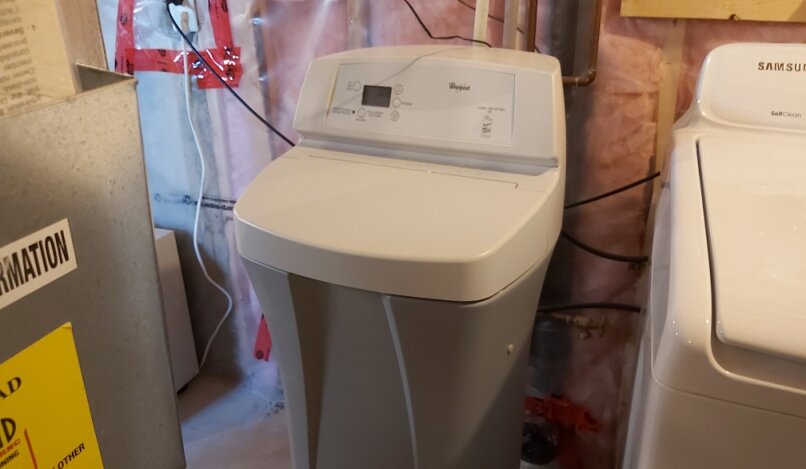
Credit: www.watersmartsystems.com
Frequently Asked Questions
Why Is My Whirlpool Water Softener Brine Tank Not Draining?
A clogged drain line or valve often causes the brine tank not to drain. Check for blockages, salt buildup, or a faulty valve. Cleaning or replacing these parts usually resolves the issue.
How Can I Fix A Clogged Brine Tank Drain?
To fix a clogged drain, disconnect the drain line and clear any obstructions. Use warm water or a flexible brush to remove salt bridges or debris blocking flow.
What Causes Salt Bridging In Whirlpool Brine Tanks?
Salt bridging happens when salt hardens and forms a crust inside the tank. High humidity and poor salt quality contribute to this issue. Breaking the crust manually restores proper drainage.
When Should I Replace The Brine Tank Valve?
Replace the valve if it’s cracked, leaking, or fails to open during regeneration. A malfunctioning valve prevents proper drainage and affects the water softener’s performance.
Conclusion
A brine tank that won’t drain can cause many problems. Check for clogs or salt buildup first. Clean the tank regularly to keep water flowing well. Make sure the drain hose is clear and not bent. A well-maintained softener works better and lasts longer.
Taking small steps now saves you from bigger issues later. Keep your water softener running smoothly for clean, soft water every day. Simple care helps your system work as it should.