
Are you tired of dealing with hard water problems like spots on your dishes, dry skin, or clogged pipes? Choosing the right water softener size can make all the difference in solving these issues effectively.
But how do you know what size fits your home and water needs perfectly? This is where a Water Softener Size Calculator becomes your best friend. You’ll discover how to find the ideal softener size that saves you money, boosts your water quality, and keeps your appliances running smoothly.
Keep reading to unlock the simple steps that will help you make the smartest choice for your home.
Why Water Size Softener Calculate Matters
Choosing the right size for a water softener is very important. The size affects how well the system works and how long it lasts. A good size fits your home’s water use and hardness levels. Too small or too big can cause problems.
Impact On Performance
A correctly sized water softener cleans water better. It removes hard minerals efficiently without running out too soon. Small units may fail to soften all water. Large units can waste salt and water during regeneration. Proper size ensures smooth and steady soft water flow.
Cost Efficiency
Right-sized softeners save money on salt and electricity. Oversized systems use more salt and water than needed. Undersized ones may need repairs or early replacement. Saving on operating costs helps you avoid unnecessary expenses. Size affects your monthly and yearly bills.
Longevity Of The System
A good size extends the life of your water softener. Overworking a small unit wears it out fast. A too-large unit may sit idle and cause parts to degrade. Balanced use helps parts last longer and reduces maintenance. Size plays a key role in system durability.

Credit: www.softprowatersystems.com
Key Factors To what size water softener do i need
Choosing the right size for a water softener is important. It ensures the system works well and lasts longer. Several key factors help decide the correct size. These factors focus on how much water you use and the hardness of that water.
#1: Household Water Usage
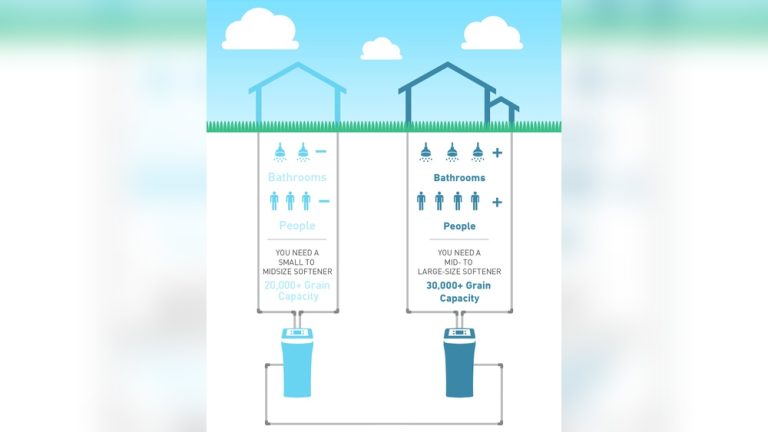
Water usage shows how much water your family uses daily. This helps find a softener that handles your needs. Larger families use more water and need bigger systems. Tracking water use helps avoid buying a too-small or too-large softener.
#2: Water Hardness Levels
Water hardness measures minerals like calcium and magnesium. Higher hardness means more minerals to remove. A softener must be strong enough to treat your water. Testing hardness levels gives a clear picture of what size to pick.
#3: Number Of Bathrooms
Bathrooms increase water use, especially during busy times. More bathrooms usually mean higher water demand. This affects how much softening capacity you need. Counting bathrooms helps match the softener size to your home’s flow.
Water Softener Size Calculator Based On Your Needs
Choosing the right water softener size starts with understanding your needs. This helps avoid buying a system that is too big or too small. Proper sizing saves money and improves water quality. Let’s break down the key steps to calculate your water softener needs.
Step 1: Measuring Water Hardness
Water hardness tells how much calcium and magnesium are in your water. These minerals cause scale buildup. You can measure hardness using a test kit or ask your water supplier.
The hardness level is usually shown in grains per gallon (GPG) or parts per million (PPM). Knowing this number is essential for sizing your softener.
Step 2: Estimating Daily Water Consumption
Daily water use varies by household size and habits. The average person uses about 75 gallons of water each day. Multiply this by the number of people in your home.
This estimate helps you find out how much water your softener needs to treat every day.
Step 3: Determining Grain Capacity
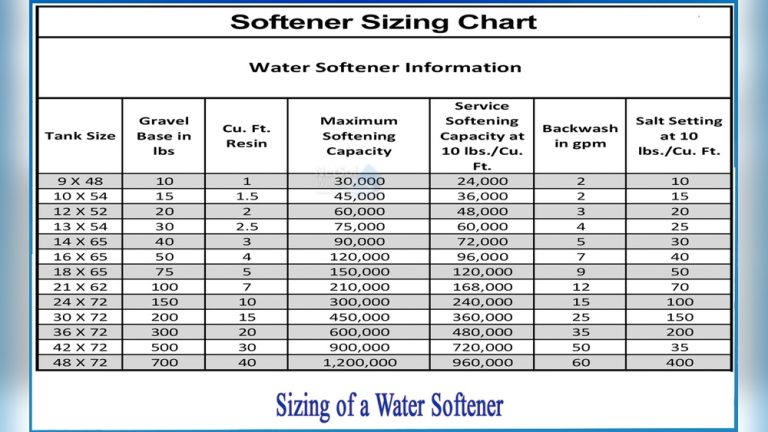
Grain capacity means how many grains of hardness your softener can remove before it needs recharging. Multiply your daily water use by the hardness level.
This gives the total grains to remove each day. Choose a softener with a grain capacity higher than this number for best results.
Types Of Water Softeners
Choosing the right type of water softener is important for clean and soft water. Different systems work in different ways. Understanding these options helps you pick the best one for your home.
Water softeners vary by technology, cost, and maintenance. This section explains the main types available today.
Salt-based Systems
Salt-based water softeners use salt to remove hardness minerals. They work by exchanging calcium and magnesium with sodium. These systems are very effective and common in many homes. Regular salt refills and maintenance are needed. They improve water taste and protect pipes and appliances.
Salt-free Alternatives
Salt-free softeners do not use salt or chemicals. They condition the water by changing mineral structure. This prevents scale buildup without removing minerals. These systems need less maintenance and no salt refills. They are good for people who want a low-maintenance option.
Magnetic And Electronic Options
Magnetic and electronic water softeners use magnetic fields or electric pulses. These devices alter mineral behavior to reduce scale. They are easy to install and require no salt. Effectiveness may vary depending on water hardness and flow. These options suit homes with minor water hardness issues.
Using Online Water Softener Size Calculator
Using an online water softener size calculator makes choosing the right system easier. These tools help match your water use and hardness level with the correct softener water softener capacity calculator. They save time and reduce guesswork for homeowners and professionals alike.
Online calculators are simple to use. They guide you through the process step-by-step. This ensures you get a reliable estimate tailored to your needs.
First: Input Requirements
Most calculators ask for daily water usage. This is usually measured in gallons or liters.
You will also need to know the hardness level of your water. This is often given in grains per gallon (GPG) or parts per million (PPM).
Some calculators ask for the number of people in your home. Others request your water softener regeneration frequency. Providing accurate information leads to better results.
Second: Interpreting Results
The calculator will suggest a softener size based on your inputs. This is typically shown in grains of hardness removal capacity. The right size prevents overworking or underworking the system.
Results may also include salt and water usage estimates. Use these to plan for running costs and maintenance. Follow the calculator’s advice to ensure efficient water softening.
Common Mistakes To Avoid
Entering incorrect water hardness leads to wrong size recommendations. Always test your water or use local data. Guessing daily water use can also cause errors.
Ignoring the number of people in the household affects accuracy. Skipping regeneration frequency inputs can mislead the calculator. Take time to provide complete, precise information for best results.
water softener Installation And Maintenance Tips
Installing a water softener correctly ensures it works well for years. Simple maintenance keeps the system efficient and extends its life. Small habits make a big difference in water softener performance.
Proper Placement
Place the water softener near the main water line. It should be close to a power source and drain. Avoid areas with extreme temperatures or direct sunlight. Keep the unit on a flat, stable surface. This helps prevent damage and ensures easy access.
Regular Regeneration
Water softeners need regular regeneration to remove hardness minerals. Follow the manufacturer’s schedule for salt refills and regeneration cycles. Check salt levels monthly and top up as needed. Regular regeneration keeps water soft and prevents system clogs.
Troubleshooting Common Issues
Watch for signs like hard water spots or low water pressure. Clean the brine tank if salt bridges or mush form. Reset the control valve if the system stops regenerating. Contact a professional if problems persist after basic fixes.
What Is A Water Softener Size Calculator?
A water softener size calculator estimates the ideal softener capacity for your home. It uses water hardness and daily usage data to recommend the right size.
This ensures efficient softening without wasting salt or water, saving you money and maintenance time.
How Do I Calculate Water Hardness For Softener Sizing?
Water hardness is measured in grains per gallon (GPG).
Use a water test kit or contact your local water supplier. Accurate hardness levels help the calculator determine the appropriate softener capacity for effective treatment.
Why Is Softener Size Important For Water Quality?
Proper water softener sizing chart ensures your softener handles your water’s hardness effectively. An undersized unit leads to frequent regeneration, wasting salt and water.
An oversized unit increases costs unnecessarily. Correct sizing maximizes water quality and system efficiency.
Can Daily Water Usage Affect Softener Size Choice?
Yes, daily water usage directly impacts softener size.
Higher water consumption requires a larger capacity softener. The calculator factors in household size and usage to recommend the best unit for your needs.