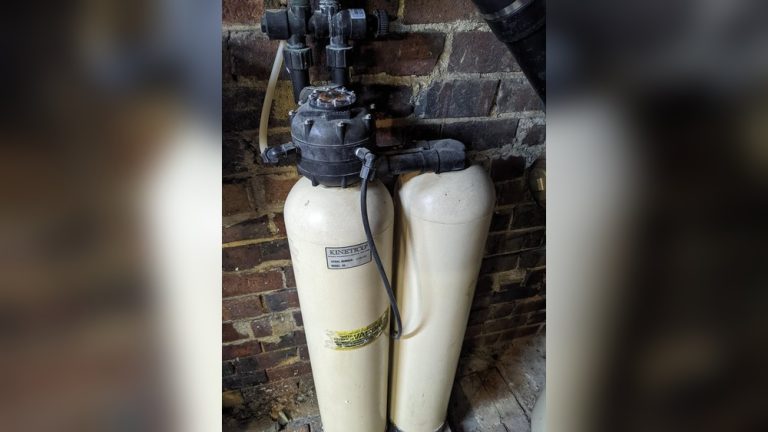

Are you frustrated by the slow drip instead of a strong flow from your taps? Low water pressure from your water softener can turn simple tasks into annoying chores.
You expect your water softener to improve your water quality, not make it harder to use. But don’t worry understanding why this happens and how to fix it can save you time and hassle. Keep reading, and you’ll discover the key reasons behind low water pressure and practical steps you can take right now to get your water flowing just the way you want.

Credit: www.thompsonfamilyplumbing.com
Common water softener causes low pressure
Low water pressure from a water softener can be frustrating. It affects your daily tasks like washing and showering. Understanding common causes helps fix the problem fast. Many issues come from parts inside the softener or its flow path. Some problems need simple cleaning. Others may require replacing worn parts.
#1: Clogged Resin Bed
The resin bed traps minerals in hard water. Over time, it can get clogged with dirt and debris. This blockage reduces water flow. Cleaning or replacing the resin bed restores normal pressure.
#2: Blocked Valves
Valves control water flow in the softener. Dirt or mineral buildup can block them. Blocked valves stop water from moving freely. Regular valve checks prevent low pressure issues.
#3: Pressure Tank Issues
The pressure tank keeps water flowing at a steady rate. If the tank loses air or gets damaged, pressure drops. Checking the tank’s air charge and condition is important.
#4: Inlet Or Outlet Obstructions
Obstructions in the inlet or outlet pipes lower water pressure. Small particles or scale buildup cause blockages. Clearing these paths improves water flow immediately.
#5: Worn Out Parts
Parts inside the water softener wear out with use. Worn seals, pistons, or diaphragms can cause leaks or pressure loss. Replacing these parts brings back strong water pressure.

Credit: www.youtube.com
Diagnosing The water softener restricting pressure Problem
Low water pressure from a water softener can be frustrating. Finding the water softener causes low pressure helps fix the problem quickly. Start by checking the system step-by-step. This helps avoid guesswork and saves time.
Checking Water Pressure Levels
Use a pressure gauge to measure water pressure. Test at different taps around the house. Normal pressure ranges from 40 to 60 psi. Low readings show a pressure issue. Record the numbers for comparison later.
Inspecting The Softener System
Look at the softener unit closely. Check for leaks or blockages. Make sure the unit is powered on and working. Clean any dirt or debris around the system. A clogged softener can reduce water flow.
Testing Bypass Valve
Locate the bypass valve on the softener. Switch it to bypass mode to check pressure. If pressure improves, the softener may cause the problem. If not, the issue may lie elsewhere in the plumbing.
Examining Salt And Resin Condition
Open the brine tank and check salt levels. Low salt can affect softener performance. Inspect resin beads inside the softener tank. Hardened or dirty resin reduces water softening and flow. Clean or replace resin if needed.
Quick Fixes For low pressure water softener repair
Low water pressure from a water softener can be frustrating. Quick fixes often solve the problem fast. These simple steps help restore proper flow without expert help. Try these tips to get better water pressure today.
1. Cleaning The Resin Bed
The resin bed can collect dirt and debris over time. This buildup blocks water flow and lowers pressure. Clean the resin bed by using a resin cleaner. Pour the cleaner into the brine tank and run a regeneration cycle. This process clears the resin and improves pressure.
2. Flushing The System
Flushing the system removes trapped particles inside pipes. It clears blockages that cause low water pressure. Open all softener valves and run water through the system for several minutes. This flushes out sediments and restores good water flow.
3. Replacing Worn Components
Old or damaged parts reduce softener efficiency. Check for worn seals, valves, or screens. Replace any faulty components with new ones. Fresh parts help the softener work properly and boost water pressure.
4. Adjusting Bypass Valve
The bypass valve controls water flow through the softener. If it is partly closed, pressure drops. Turn the valve to the fully open position. This allows water to pass freely and raises pressure instantly.
5. Resetting The Softener
Sometimes the softener needs a reset to fix pressure issues. Turn off the unit and unplug it. Wait a few minutes, then plug it back in and restart. Resetting clears errors and improves system performance.
Preventive Tips water softener reducing pressure
Low water pressure from a water softener can cause frustration and reduce comfort. Preventive care helps keep your system working smoothly. Simple steps can avoid many common problems. Follow these tips to maintain good water flow and soft water benefits.
Regular Maintenance Schedule
Check your water softener often. Follow the manufacturer’s guide for cleaning and refilling. Clean the resin tank and brine tank regularly. This stops salt buildup and blockages. Regular maintenance keeps water pressure steady.
Using Quality Salt
Choose high-quality salt designed for water softeners. Cheap salt may contain impurities. These impurities cause clogs and reduce efficiency. Using good salt helps the system work better. It also prevents hard salt crusts that lower water pressure.
Avoiding Hard Water Buildup
Hard water minerals can clog pipes and softener parts. Flush your system periodically to remove these minerals. Use cleaning tablets to dissolve scale inside the unit. Prevent buildup to keep water flowing freely. This protects your softener and plumbing.
Professional Inspection
Have a professional check your water softener yearly. Experts spot issues early before they become big problems. They can clean parts deeply and test water pressure. A yearly inspection helps maintain smooth water flow. Trust experts to keep your system in top shape.

Credit: www.reddit.com
FAQs For low pressure water softener
Why Is My Water Softener Causing Low Water Pressure?
Low water pressure from a softener often results from clogged resin beads or a blocked filter. Regular maintenance and cleaning can prevent buildup and ensure smooth water flow. Check the bypass valve position and any plumbing restrictions for additional causes.
How Can I Fix Low Water Pressure After Water Softening?
Start by cleaning or replacing the softener’s resin and filters. Inspect the bypass valve and ensure it is fully open. Flushing the system and checking for clogged pipes can also restore proper water pressure effectively.
Does Water Softener Size Affect Water Pressure?
Yes, an undersized water softener can reduce water pressure. Ensure your softener matches your household’s water usage needs. Choosing the correct size helps maintain optimal flow and prevents pressure drops during peak usage times.
Can Salt Buildup Cause Low Pressure In Water Softeners?
Salt buildup can clog the resin tank and reduce water flow. Regularly clean the brine tank and use high-quality salt to minimize deposits. Proper maintenance prevents blockages and maintains consistent water pressure.
Last Line
Low water pressure from a water softener can cause daily hassles. Check your system regularly to find clogs or leaks. Clean or replace filters to keep water flowing well. Adjust settings if the softener reduces pressure too much. Simple fixes often improve water pressure quickly.
Maintaining your softener helps protect your home’s water supply. Stay alert to changes in water flow. Small steps make a big difference in comfort and efficiency. Keep your water softener working smoothly for better water pressure every day.