
Choosing the right water softener size can feel confusing, but it doesn’t have to be. If you want to protect your pipes, improve your water quality, and save money, picking the perfect fit for your home is key.
In this guide, you’ll find an easy-to-follow water softener size chart that helps you match the right system to your household needs. By the end, you’ll know exactly what size works best for you—no guesswork, no hassle. Keep reading to make a smart choice that keeps your water soft and your home running smoothly.
Why Size Matters
Choosing the right size for your water softener is very important. A softener that fits well works better and lasts longer. Size affects how well the system cleans your water and how much it costs. Picking the wrong size can lead to problems and extra expenses.
Impact On Efficiency
A properly sized water softener cleans water faster. It uses salt and water more wisely. Too small a unit works too hard and may fail. Too large a unit wastes resources and space. The right size keeps your water soft and your system smooth.
Cost Implications
Bigger water softeners cost more to buy and maintain. Small units cost less but may need frequent repairs. The right size saves money over time. It avoids extra salt use and high water bills. Size matters for both buying and running costs.
Longevity Of The System
A correct size extends the life of your softener. Overworking a small unit causes wear and tear. An oversized unit sits idle, leading to other issues. Proper sizing reduces breakdowns and service calls. It helps your softener work well for many years.
Factors Influencing Size Selection
Selecting the right water softener size is important for effective water treatment. Several key factors influence this choice. Understanding these helps you pick a system that fits your home’s needs and avoids waste.
The main factors include how much water your household uses daily, how hard your water is, and how many bathrooms and appliances you have. These details guide the size and capacity of the softener.
Household Water Usage
Water usage varies by family size and habits. Larger families use more water. More water means you need a bigger softener. A system too small will run out of capacity quickly. This reduces its ability to soften water effectively.
Water Hardness Levels
Water hardness measures minerals like calcium and magnesium. Hard water needs more treatment. The harder the water, the larger the softener required. It must remove more minerals to protect pipes and appliances.
Number Of Bathrooms And Appliances
More bathrooms and appliances increase water use. Each fixture adds to the total water softened. Homes with multiple bathrooms or large appliances need bigger softeners. This ensures all water stays soft and safe.
Common Water Softener Sizes
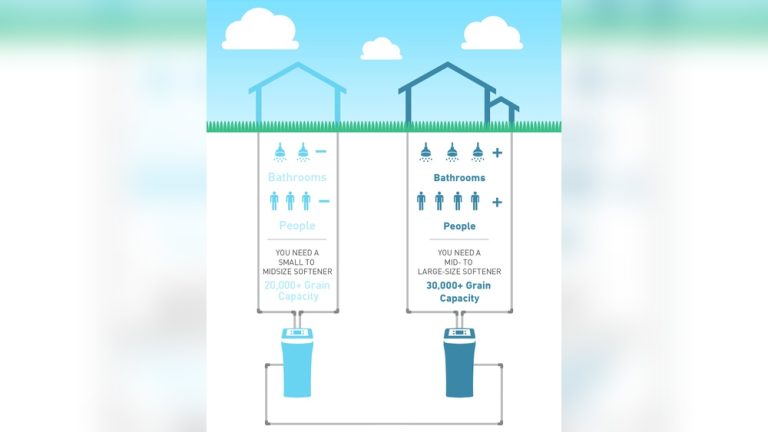
Water softeners come in different sizes to fit various household needs. Choosing the right size helps save salt, water, and energy. It also ensures your water stays soft and your system lasts longer. Sizes are mainly based on grain capacity, which measures how much hardness the system can remove before regeneration.
Common sizes include small, medium, and large units. Each size suits a different number of people and water hardness levels. Understanding these sizes helps pick the best fit for your home.
Small Capacity Units
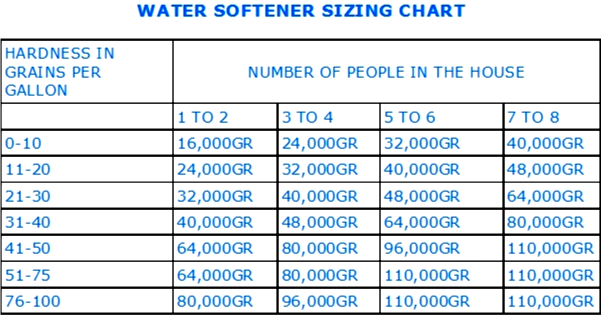
Small units usually handle up to 16,000 grains of hardness. They work well for 1 to 2 people. These softeners fit small homes or apartments. They use less salt and water for regeneration. Ideal for light water hardness or low water use.
Medium Capacity Units
Medium units cover 24,000 to 32,000 grains of hardness. They suit families of 3 to 4 people. These units balance performance and size. They handle moderate water hardness well. Good choice for average water use and homes.
Large Capacity Units
Large units can treat 40,000 grains or more. They fit homes with 5 or more people. These softeners work best for very hard water. They regenerate less often but use more salt and water each time. Perfect for high water use and heavy hardness.
Credit: www.greatwatersofteners.com
How To Calculate Your Needs
Calculating the right water softener size is essential for effective water treatment. The size depends on how hard your water is and how much you use daily. This guide helps you find the perfect fit for your home.
Measuring Water Hardness
Water hardness shows the amount of minerals like calcium and magnesium. Test kits or local water reports help measure hardness. The result is usually in grains per gallon (GPG). Knowing this number is the first step in sizing your softener.
Estimating Daily Water Consumption
Estimate how much water your household uses each day. Count the number of people and multiply by average usage per person. Typical use is about 75 gallons per person daily. This estimate helps match the softener size to your needs.
Matching Capacity To Usage
Multiply daily water use by hardness level to find grain capacity. This number shows how many grains the softener must remove each day. Choose a softener that handles this capacity without frequent regeneration. Proper sizing saves salt, water, and money.
Comparing Resin Tank Sizes
Choosing the right resin tank size is key for a water softener system. The tank size affects how well your system removes hardness from water. Too small a tank means frequent regeneration. Too large a tank wastes salt and water. Understanding resin tank sizes helps you pick the best option. This section breaks down important details to guide you.
Grain Capacity Explained
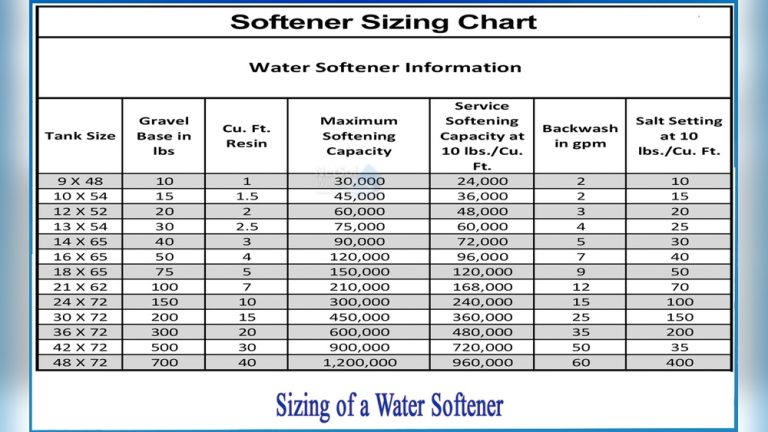
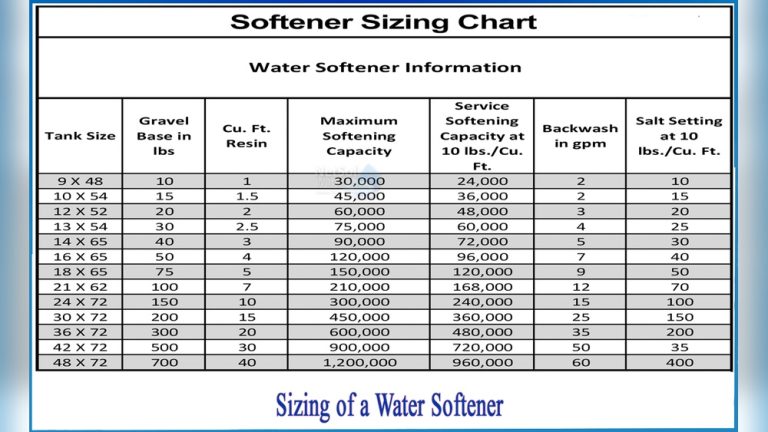
Grain capacity shows how much hardness the softener can handle. It is the total amount of minerals the resin can remove. A higher grain capacity means the system can treat more hard water before it needs recharging. Common sizes range from 24,000 to 80,000 grains. Match the grain capacity to your household water use for best results.
Resin Volume And Softening Power
Resin volume is the amount of resin inside the tank. More resin means more contact with water. This increases the softening power of the system. Typical resin volumes are between 0.75 to 2 cubic feet. Larger resin volume improves water softening efficiency. It also extends time between regenerations. Choose resin volume based on your water hardness and usage.

Credit: goodwaterwarehouse.com
Sizing For Different Household Types
Choosing the right water softener size depends on your household type. Different homes use different amounts of water each day. This affects how much softening capacity you need. Understanding your household size helps pick the correct system.
Single Person Homes
Single person homes use less water than larger households. A small water softener is often enough. These systems usually handle about 20,000 to 30,000 grains of hardness. They save space and cost less. Ideal for apartments or small houses.
Small Families
Small families of two to four people need moderate-sized softeners. Systems with 30,000 to 48,000 grain capacity work well. They handle daily water use comfortably. This size keeps water soft without frequent salt refills. Perfect for most average homes.
Large Families And Commercial Use
Large families or commercial places need bigger softeners. Capacities start at 64,000 grains or more. These systems manage heavy water use all day. They reduce hardness effectively for many people. Best for big homes, offices, or small businesses.
Installation Space Considerations
Installing a water softener requires careful space planning. The size of the softener affects where it fits in your home. Proper space ensures easy access and smooth operation.
Consider the available area before choosing your water softener size. Measure accurately to avoid tight spots. Think about room for future maintenance and repairs.
Available Space Measurements
Measure the width, height, and depth of the installation area. Include space for pipes and electrical connections. Leave extra room for air circulation around the unit. Take note of any obstacles like doors or cabinets. Accurate measurements help find the right softener size.
Placement Tips
Place the softener near the main water line. Avoid locations exposed to extreme temperatures. Keep the unit away from direct sunlight and moisture. Ensure easy access for salt refills and servicing. Choose a flat, stable surface for installation. Proper placement extends the softener’s lifespan.
Maintenance And Regeneration Frequency
Understanding maintenance and regeneration frequency is key for water softeners. These factors affect how often you need to service the system. Proper timing keeps the softener working well. It also helps save salt and water. Knowing what influences regeneration helps choose the right size softener.
How Size Affects Regeneration
The size of your water softener directly impacts how often it regenerates. A smaller unit fills up faster with hard minerals. It will regenerate more often to clean the resin beads. Larger units hold more minerals and regenerate less frequently. Choosing the right size reduces unnecessary regenerations. This extends the life of your softener and keeps water soft longer.
Salt Consumption Rates
Salt is a key part of the regeneration process. Bigger softeners use more salt per cycle because they clean more resin beads. Frequent regenerations also increase salt use. Optimizing the size can lower salt consumption. This saves money and reduces waste. Tracking salt use helps find the balance between size and efficiency.
Common Mistakes In Sizing
Choosing the right water softener size is important. Many people make mistakes that affect their system’s performance. Understanding these common errors helps you pick the best size.
Overestimating Needs
Some buy a larger water softener than needed. This wastes money and space. A too-big system uses more salt and water. It also takes longer to regenerate. Match the size with your daily water use for best results.
Underestimating Hardness
Hardness level affects softener size. Many ignore this and pick a smaller unit. A small softener cannot handle hard water well. This leads to poor water quality. Test your water hardness before choosing the size.
Ignoring Future Usage Changes
Water use can grow over time. Families may add members or new appliances. Some forget to consider this. A softener sized only for today may fall short later. Plan for future needs to avoid frequent replacements.
Tips For Choosing The Perfect Fit
Choosing the right water softener size matters for your home’s water quality. A perfect fit means better efficiency and less waste. This section offers clear tips to help you decide on the best size.
Consulting Professionals
Experts can analyze your water hardness and household needs. They suggest sizes based on daily water use and hardness levels. Professional advice ensures you buy the right capacity for your home.
Using Size Charts Effectively
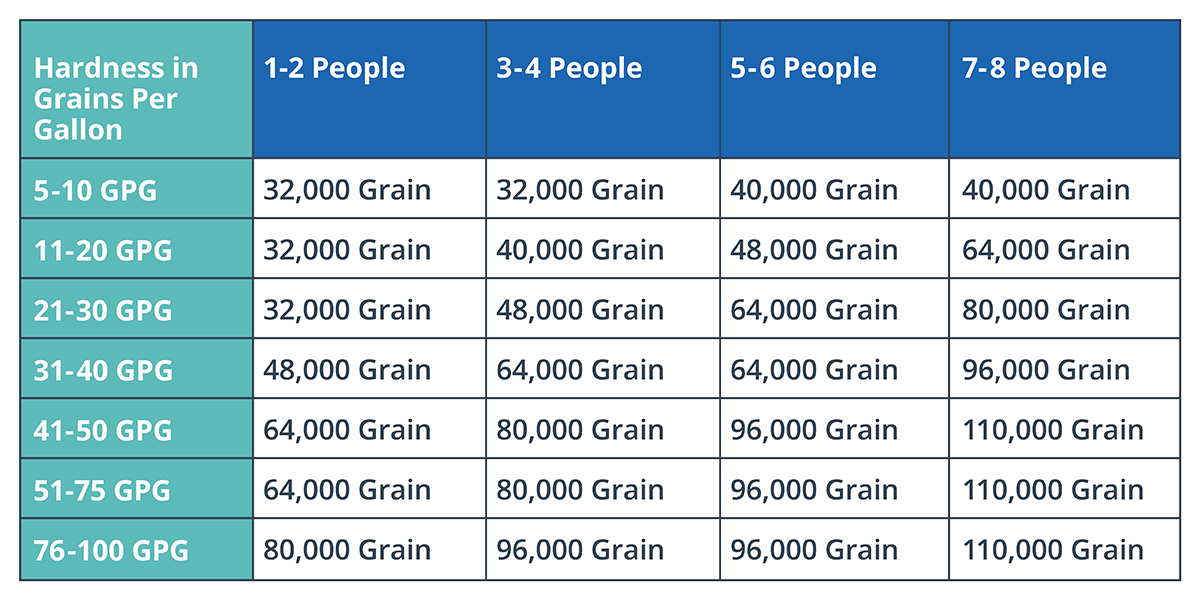
Size charts list softener capacities and recommended home sizes. Match your water usage and hardness to the chart for accurate sizing. Charts simplify the process and reduce guesswork.
Considering Upgrade Options
Think about future changes in water use or family size. Upgrading to a larger unit can prevent shortages later. Choose a softener that can grow with your needs.
Credit: www.aquasana.com
Frequently Asked Questions
What Size Water Softener Do I Need For My Home?
To choose the right water softener size, consider your household size and daily water usage. A typical family of four uses about 80-100 gallons daily. Match softener capacity to your water hardness level and usage to ensure efficient softening without waste.
How Do I Calculate Water Softener Capacity?
Calculate softener capacity by multiplying daily water use by water hardness (in grains per gallon). This gives total grains to remove. Choose a softener with a capacity slightly higher than this number for optimal performance and longevity.
Can A Water Softener Be Too Big Or Too Small?
Yes, a too-small softener won’t remove hardness effectively, causing frequent regeneration. A too-large softener wastes salt and water. Correct sizing ensures efficient operation, cost savings, and consistent soft water supply.
How Often Should A Water Softener Regenerate?
Regeneration frequency depends on softener size, water usage, and hardness. Typically, softeners regenerate every 2 to 7 days. Proper sizing helps maintain ideal regeneration intervals, saving salt and water while ensuring soft water availability.
Conclusion
Choosing the right water softener size saves money and improves water quality. Small units work well for fewer people and low water use. Bigger homes with many people need larger systems to handle the demand. Check your water hardness and daily water use to decide the size.
Proper sizing prevents problems like poor softening or wasted salt. Take time to measure and compare before buying. A well-sized softener keeps your water soft and your appliances safe. Simple steps lead to better water for your home every day.