
Is your Whirlpool water softener not working like it used to? You rely on it every day for smooth, clean water, so when it acts up, it can be frustrating.
But don’t worry—you don’t have to call a technician just yet. This guide will help you quickly spot common problems and fix them yourself. By the end, you’ll know exactly what’s going wrong and how to get your water softener back on track.
Ready to save time and money? Let’s dive into Whirlpool water softener troubleshooting.
Credit: whirlpoolwatersolutions.zendesk.com
Common Water Softener Issues
Water softeners help protect pipes and appliances from hard water damage. Yet, they can face issues that stop them from working well. Knowing common problems can save time and money. It also helps keep your water soft and clean.
No Power Or Display Problems
Sometimes the water softener shows no lights or screen. This often means a power issue. Check the plug and circuit breaker first. Loose wires inside the unit can also cause this. Replace batteries if your model uses them.
Salt Bridging And Mushing
Salt bridging happens when salt hardens into a crust inside the tank. This stops salt from dissolving properly. Salt mushing is when salt turns into a thick sludge. Both block salt flow and reduce softener performance. Break up salt crust with a broom handle or similar tool.
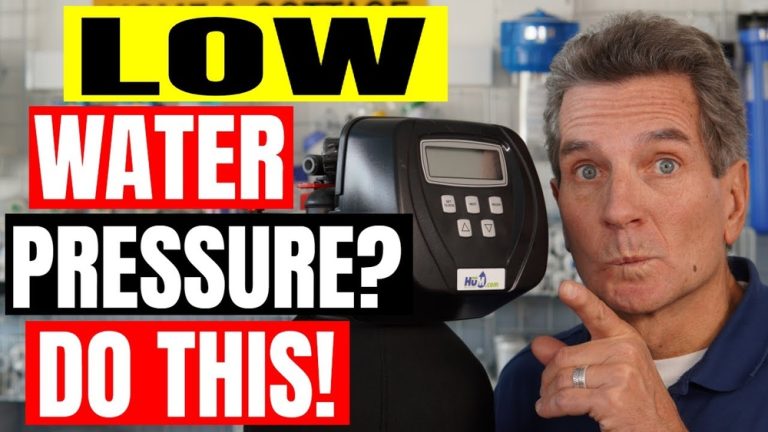
Low Water Pressure
Low water pressure can come from clogged resin beds or filters. Sediment or debris can block water flow inside the softener. Clean or replace filters regularly. Backwashing the resin bed may also help restore pressure.
Softener Not Regenerating
The softener must regenerate to recharge the resin beads. If it stops, hard water will pass through. Check the timer and settings to ensure regeneration cycles are correct. A stuck valve or faulty control board may prevent regeneration.
Water Still Hard
Hard water after softening means the unit is not working well. Possible causes include low salt levels or clogged resin. Resin beads may be worn out and need replacement. Test water hardness to confirm the problem and act accordingly.
Quick Fixes For Common Problems
Whirlpool water softeners can face small problems that stop them from working well. Many of these issues have simple fixes. These quick solutions can save time and avoid the need for a technician. Try these steps first to keep your water softener running smoothly.
Resetting The Unit
Resetting the water softener can clear minor errors. Locate the reset button on your unit. Press and hold it for a few seconds. Release the button and wait for the system to restart. This often fixes control panel glitches and restores normal function.
Breaking Salt Bridges
Salt bridges block the salt from dissolving properly. They form a hard crust inside the brine tank. Use a broom handle or stick to gently break the crust. Avoid damaging the tank walls. Once broken, the salt will dissolve and the softener will work better.
Cleaning The Resin Tank
Resin beads trap minerals but can get dirty. Dirty resin lowers water softening power. Drain the tank and use a resin cleaner made for water softeners. Follow the cleaner’s instructions carefully. Clean resin improves water quality and system efficiency.
Checking Water Flow
Low water flow causes poor softening. Check for clogs or leaks in pipes and valves. Ensure the bypass valve is fully open. Clear any debris that blocks water. Proper water flow helps the softener work correctly and extends its life.
Adjusting Regeneration Settings
Regeneration controls how often the softener cleans itself. If settings are wrong, the softener may not work well. Adjust the timer or hardness level on the control panel. Use your water test results for accurate settings. Correct regeneration keeps your water soft all the time.
Maintenance Tips To Prevent Issues
Keeping your Whirlpool water softener in good shape helps avoid many common problems. Regular maintenance stops small issues from turning into big repairs. Simple care tasks keep the system running smoothly and extend its life.
Regular Salt Refills
Check salt levels often to keep the softener working well. Low salt can cause hard water problems. Refill the salt before it runs out completely. Use the amount recommended in the user guide.
Periodic Resin Cleaning
Resin beads trap minerals and need cleaning to stay effective. Use a resin cleaner every few months. This removes built-up iron and other deposits. Clean resin improves water softness and system efficiency.
Inspecting Valves And Hoses
Look at valves and hoses regularly for leaks or damage. Tighten loose connections and replace cracked parts. Good seals prevent water leaks and pressure loss. Check these parts during each salt refill.
Using Proper Salt Types
Choose the right salt type for your Whirlpool softener. Use high-purity salt designed for water softeners. Avoid rock salt with many impurities. Proper salt prevents clogging and keeps the system clean.
Scheduling Routine Checks
Set a schedule for full system checks each season. Test water hardness and check settings. Clean the brine tank and check the control valve. Regular checks catch problems early and save money.

Credit: www.youtube.com
When To Call A Professional
Knowing when to call a professional for your Whirlpool water softener saves time and stress. Some problems need expert skills and tools. Attempting repairs without experience can cause more damage. Recognizing these signs helps you act quickly and keep your system working well.
Persistent Malfunctions
Problems that keep coming back need expert help. If your softener stops working after fixes, a professional should check it. They find hidden issues that basic troubleshooting misses. Persistent malfunctions may point to deeper system faults. Early professional help prevents bigger damage and higher costs.
Complex Repairs
Some repairs require special tools and knowledge. Internal parts and electronic controls often need expert handling. Mishandling complex repairs can void warranties or cause leaks. Professionals know the right steps to fix complicated problems. Trusting them ensures your water softener runs safely and properly.
Replacement Parts Installation
Installing parts like valves or resin tanks needs care. Wrong installation can reduce system efficiency or cause failure. Experts have access to genuine Whirlpool parts and correct installation methods. They ensure all parts fit and work as intended. Professional installation extends the life of your water softener.
Credit: www.watersmartsystems.com
Frequently Asked Questions
How Do I Reset My Whirlpool Water Softener?
To reset, unplug the unit for 30 seconds. Then plug it back in and press the reset button. This clears error codes and restores normal function quickly.
Why Is My Whirlpool Softener Not Regenerating?
Check salt levels first. If salt is sufficient, inspect the timer and settings. Faulty timers often prevent regeneration cycles.
How To Fix Salt Bridging In Whirlpool Softener?
Use a broom handle to gently break the salt crust. Avoid using sharp tools to prevent damage to the tank.
What Causes Low Water Pressure In Whirlpool Softeners?
Low pressure often results from clogged resin beds or blocked valves. Clean or replace resin and check for valve obstructions.
Conclusion
Troubleshooting your Whirlpool water softener can save time and money. Start with simple checks like salt levels and settings. Clean the resin tank if water feels hard. Watch for error codes and reset the system when needed. Regular maintenance keeps your softener working well.
Small fixes often solve common problems fast. Stay patient and follow steps carefully. Your water softener will provide softer water again soon. Easy care leads to long-lasting performance. Keep your home’s water soft and clean.