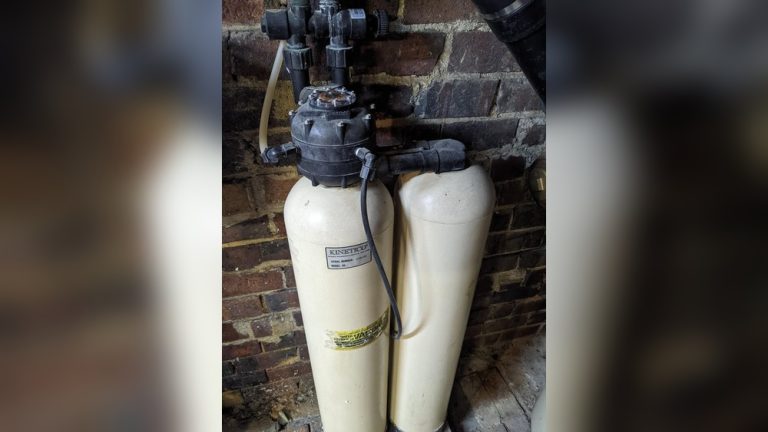

Is your Whirlpool water softener bypass valve stuck? This common issue can disrupt your water flow and cause hard water problems in your home.
If you’ve noticed strange noises, leaks, or reduced water pressure, your bypass valve might be the culprit. Don’t worry—you’re not alone, and this problem can be fixed. You’ll discover simple steps to identify why your valve is stuck and how to get it working smoothly again.
Keep reading to regain control over your water softener and enjoy soft, clean water without hassle.

Credit: eurowizja.org
Causes Of Bypass Valve Stuck
The bypass valve on a Whirlpool water softener can get stuck for several reasons. Understanding these causes helps fix the problem quickly. The valve controls water flow during regeneration or maintenance. When it sticks, water softening stops working correctly.
Mineral Buildup And Corrosion
Hard water leaves minerals inside the bypass valve. Over time, this buildup blocks valve movement. Corrosion can also form on metal parts, making the valve stiff. These deposits reduce valve efficiency and cause it to jam.
Mechanical Wear And Tear
Moving parts in the valve wear out after long use. Springs and seals may weaken or break. This damage stops the valve from opening or closing smoothly. Regular use causes parts to degrade and stick.
Improper Installation Issues
Incorrect installation can cause the valve to bind or misalign. If the valve is not fitted properly, it may not move freely. Tight connections or wrong parts may cause the valve to get stuck.
Identifying Valve Stuck Symptoms
Knowing the signs of a stuck bypass valve in your Whirlpool water softener helps prevent bigger problems. The bypass valve controls water flow through the softener system. If it gets stuck, water may not soften correctly or flow well. Watch for clear signs to spot the issue early.
Water Flow Disruptions
Water pressure may drop suddenly. Faucets might deliver less water than usual. Sometimes water stops flowing completely from softener outlets. These changes indicate the valve could be stuck. Flow problems often happen because the valve blocks water passage.
Unusual Noises From Valve
Strange sounds near the softener are common if the valve sticks. You may hear clicking, squeaking, or banging noises. These noises come from the valve parts struggling to move. Noises often increase during water softener cycles or when using water.
Water Quality Changes
Hard water may appear even after the softener runs. You might see spots on dishes or feel rough skin after washing. The stuck valve can let hard water bypass the softener. Poor water quality signals a problem with the water softener valve.
Tools Needed For Fixing
Fixing a Whirlpool water softener bypass valve stuck requires specific tools. Having the right tools makes the repair easier and faster. Gathering them before starting helps avoid interruptions. Below are the essential tools you need to fix the valve properly.
Basic Hand Tools
Start with simple hand tools like screwdrivers and pliers. A flathead and Phillips screwdriver help remove screws on the valve. Needle-nose pliers assist in gripping small parts. An adjustable wrench is useful for loosening nuts and bolts. These basic tools cover most tasks during the repair.
Lubricants And Cleaning Agents
Lubricants make stuck parts move smoothly again. Use a silicone-based lubricant safe for plastic and metal. Cleaning agents remove dirt and mineral buildup. Mild soap or vinegar works well to clean valve parts. Avoid harsh chemicals that can damage the valve.
Replacement Parts
Sometimes parts inside the valve wear out or break. Common replacements include O-rings, seals, and washers. Check your Whirlpool model for exact part numbers. Having these parts on hand saves time during repairs. Replace damaged parts to ensure the valve works correctly.
Credit: whirlpoolwatersolutions.zendesk.com
Step-by-step Valve Release
Dealing with a stuck Whirlpool water softener bypass valve can be frustrating. This guide helps you release the valve safely and easily. Follow each step carefully to avoid damage and restore water flow quickly.
Shutting Off Water Supply
First, turn off the main water supply to your water softener. This stops water flow and reduces pressure. Locate the shut-off valve near the softener. Turn it clockwise until it stops. Make sure no water flows through the system before moving on.
Loosening The Bypass Valve
Next, try to loosen the bypass valve by hand. Use a wrench if needed, but avoid over-tightening. Turn the valve counterclockwise slowly. If it feels stuck, apply gentle rocking motions. This helps break any buildup or corrosion around the valve. Do not force the valve too hard to prevent damage.
Cleaning And Lubricating Valve Components
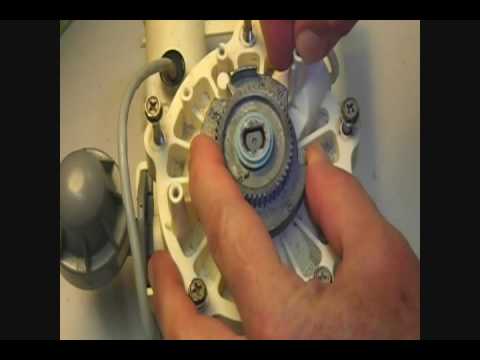
Once the valve moves, remove it carefully. Clean the valve and surrounding parts with a soft cloth. Remove any dirt, scale, or rust. Apply a silicone-based lubricant to the valve’s moving parts. This helps it slide smoothly and prevents future sticking. Reassemble the valve and test it by turning the water supply back on.
Preventing Future Valve Issues
Preventing future issues with your Whirlpool water softener bypass valve helps keep your system working well. Simple care steps stop the valve from sticking or breaking. Small efforts today save costly repairs later. Follow easy tips to keep the valve smooth and reliable.
Regular Maintenance Tips
Clean the valve and surrounding parts often. Dirt and minerals can cause the valve to stick. Use a soft cloth and mild cleaner. Avoid harsh chemicals that damage parts. Check for leaks or cracks on the valve surface. Tighten loose fittings to prevent water damage.
Water Softener System Checks
Test your water softener every month. Watch for unusual sounds or slow water flow. Check the bypass valve position after regeneration cycles. Make sure the valve moves freely and seals tightly. Inspect salt levels and refill as needed. Low salt can affect system performance and valve function.
Professional Servicing Recommendations
Schedule yearly service from a qualified technician. They clean hard-to-reach valve parts and replace worn pieces. Professionals detect small problems early before they worsen. Ask them to inspect the bypass valve and system controls. Timely service extends your water softener’s lifespan and avoids breakdowns.
Credit: baumpflege-buffler.de
When To Replace The Bypass Valve
The bypass valve in a Whirlpool water softener controls the flow of water during maintenance or repairs. Over time, this valve can wear out or get stuck. Knowing when to replace it prevents bigger problems and keeps your system working well. Replacing the valve at the right time saves water and avoids damage to your pipes.
Signs Of Irreparable Damage
Look for leaks around the valve body. Cracks or corrosion show serious damage. If the valve handle is hard to turn or stuck, it may not work properly. Water flow might be inconsistent or stop completely. These signs mean the valve cannot be fixed and needs replacement.
Choosing The Right Replacement Valve
Pick a valve that fits your Whirlpool model exactly. Check the size and design to match the old valve. Use parts made from durable materials to last longer. Avoid cheap or generic valves that may cause leaks or fail early. Consult your manual or a professional if unsure.
Installation Guidelines
Turn off the water supply before starting. Drain the system to avoid spills. Remove the old valve carefully without damaging pipes. Install the new valve in the same position. Tighten connections firmly but do not overtighten. Test the valve by turning it to check water flow and leaks.
Frequently Asked Questions
Why Is My Whirlpool Water Softener Bypass Valve Stuck?
A stuck bypass valve often results from mineral buildup or corrosion. Regular maintenance prevents this issue. Cleaning the valve gently can restore its movement.
How Can I Fix A Stuck Bypass Valve On Whirlpool Softener?
Turn off the water supply first. Apply lubricant to the valve stem. Gently wiggle the valve to free it. Avoid using excessive force to prevent damage.
What Causes Bypass Valve To Malfunction In Water Softeners?
Mineral deposits, rust, and debris block valve movement. Lack of regular cleaning worsens the problem. Hard water accelerates buildup inside the valve components.
Can A Stuck Bypass Valve Affect Water Softener Performance?
Yes, a stuck valve stops water flow through the softener. This leads to untreated hard water in your home. Fixing the valve restores proper softening function.
Conclusion
A stuck bypass valve can cause water softener problems. Fixing it quickly helps keep your water soft and clean. Check the valve for dirt or damage first. Sometimes, a gentle turn or cleaning solves the issue. Regular maintenance stops the valve from getting stuck again.
Remember, a working bypass valve protects your water system. Keep an eye on your softener to avoid bigger troubles. Taking simple steps saves time and money in the long run. Stay calm and handle the problem carefully for best results.