
Are you confused about what hardness level your water softener should be set at? Getting this setting right is key to making sure your water feels smooth, protects your appliances, and keeps your skin and hair healthy.
Setting it too low or too high can cause problems you don’t want to deal with. You’ll discover the ideal water hardness level for your softener and learn how to adjust it easily. Keep reading to make sure your water is just right for your home and family.
Ideal Water Hardness Levels
Knowing the ideal water hardness level helps set your water softener correctly. Water hardness affects taste, cleaning power, and appliance life. Setting it right saves money and protects your home.
Measuring Hardness Units
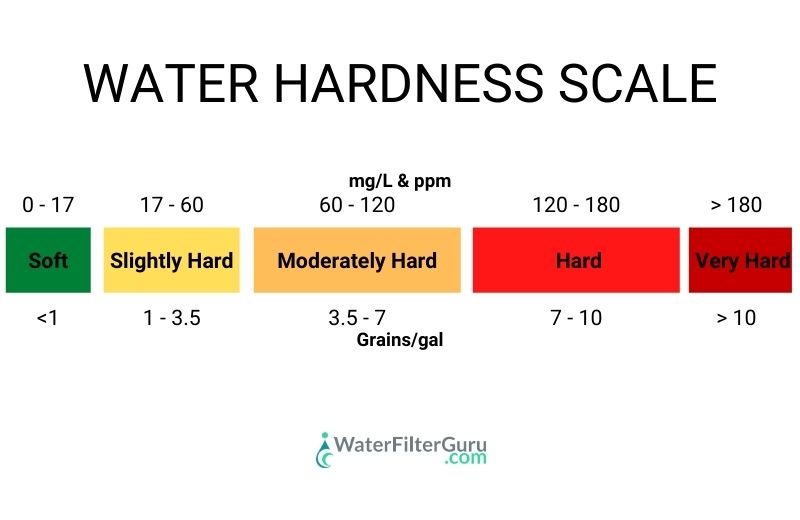
Water hardness is measured in grains per gallon (gpg) or parts per million (ppm). One gpg equals 17.1 ppm. These units show how much calcium and magnesium are in water. Softening systems use these numbers to adjust settings.
Soft, Moderate, And Hard Water Ranges
Soft water has 0 to 3.5 gpg hardness. It feels smooth and cleans well. Moderate hardness ranges from 3.5 to 7 gpg. Hard water is over 7 gpg. Hard water can cause stains and damage pipes. Most water softeners work best at 7 gpg or lower.
Factors Affecting Softener Settings
Setting the right hardness level on your water softener depends on several key factors. These factors help ensure your softener works efficiently and protects your home. Understanding these elements helps you choose the best setting for your needs.
Local Water Supply Variations
Water hardness varies greatly by location. Some areas have very hard water with high mineral content. Others have softer water that needs less treatment. Testing your local water supply gives a clear idea of the hardness level. This information helps set the softener correctly to remove the right amount of minerals.
Household Water Usage
The amount of water your household uses affects softener settings. Larger families or homes with high water use need different settings than smaller households. More water means the softener must handle a bigger load of minerals. Adjusting the settings ensures the system regenerates at the right time and stays efficient.
Appliance Sensitivity
Some appliances are more sensitive to hard water than others. Dishwashers and water heaters often suffer from mineral buildup. Setting the softener to protect these appliances can extend their life. Adjusting hardness levels helps prevent scale and keeps appliances running smoothly.
Adjusting Water Softener Hardness
Adjusting water softener hardness is key to getting clean, soft water. Setting the right hardness level protects your pipes and appliances. It also helps your soap work better and keeps your skin smooth. You must check your water hardness and adjust your softener accordingly. Small changes make a big difference in water quality and appliance life.
Using Water Test Kits
Water test kits show how hard your water is. They measure minerals like calcium and magnesium. Testing your water helps you know what to set on your softener. Test water from different taps for accurate results. Follow kit instructions carefully to avoid mistakes. Test water every few months to keep settings right.
Setting Regeneration Cycles
Regeneration cycles clean your softener and recharge it with salt. Set cycles based on how hard your water is and use. Harder water may need more frequent cycles. Too many cycles waste salt and water. Too few cycles reduce softening power. Find a balance that keeps water soft and saves resources.
Calibrating Hardness Levels
Calibrating means adjusting your softener’s hardness setting to match water tests. Use the test results as a guide. Set the hardness level slightly higher than the test result. This ensures the softener removes all hardness. Check your softener manual for calibration steps. Repeat testing after adjustments to confirm the right setting.

Credit: nelsonwater.com
Common Setting Recommendations
Setting the right water softener hardness is key for clean water and appliance care. The ideal setting varies based on where you live and the water source. Many users find it helpful to follow common recommendations for setting their water softener hardness. These guidelines come from different sources, including regional data, manufacturers, and experts.
Choosing the right hardness level helps avoid too soft or too hard water. This protects pipes, improves soap efficiency, and keeps skin healthy. Below are common setting recommendations to guide you.
Typical Hardness Settings By Region
Water hardness changes widely by region. Soft water areas need lower settings, usually under 5 grains per gallon (gpg). Hard water regions often require settings between 10 and 20 gpg. Very hard water zones may call for even higher settings. Knowing your area’s average hardness helps set the right level.
Local water reports or tests can provide exact hardness values. Use these numbers to adjust your softener correctly. Matching regional hardness prevents over-softening or under-softening your water.
Manufacturer Guidelines
Water softener makers provide clear setup instructions. They recommend hardness settings based on their system’s design. These guidelines usually suggest adjusting settings to match your water’s test results.
Following manufacturer advice ensures your softener works efficiently. It also helps maintain the warranty and prevents damage. Always check the user manual or company website for proper hardness settings.
Professional Advice
Water treatment experts offer tailored recommendations. They test your water and consider your household needs. Professionals often suggest settings between 7 and 15 gpg for typical hard water.
Experts can balance softness with mineral retention. This supports health and appliance longevity. Consulting a professional can save money and improve water quality over time.
Consequences Of Incorrect Settings
Setting the right hardness level on a water softener matters a lot. Incorrect settings can cause problems in your home and appliances. Understanding these issues helps you avoid costly repairs and poor water quality. Below are the effects of setting your water softener too low or too high.
Too Low Hardness Setting
Setting hardness too low means the water is too soft. Soft water can feel slippery and may not rinse soap well. It can cause pipes to corrode faster, leading to leaks. Appliances may also use more energy and wear out sooner. Over-soft water can remove beneficial minerals from your water too.
Too High Hardness Setting
Too high hardness means the water remains hard. Hard water leaves scale buildup in pipes and appliances. This reduces water flow and damages equipment like water heaters. Soap and detergent will not lather well, causing stains and spots. Hard water can also dry out skin and hair, causing discomfort.
Credit: waterfilterguru.com
Maintenance Tips For Softener Efficiency
Maintaining your water softener ensures it works well and lasts longer. Regular care keeps water soft and prevents buildup inside the system. Small steps help save money and avoid repairs.
Regular Testing
Test your water hardness every month. Use a simple test kit to check softener performance. Testing helps spot problems early. Adjust settings based on test results for best softness.
Salt Refilling Practices
Keep the salt tank full but not overfilled. Use high-quality salt to avoid clogs. Check salt levels twice a month. Always clean the salt tank before refilling it. Proper salt helps the softener work efficiently.
System Cleaning
Clean your softener system every few months. Remove salt bridges and sludge from the tank. Clean the resin bed if needed. Regular cleaning stops blockages and keeps water flow steady. Follow the manufacturer’s guide for safe cleaning.

Credit: www.youtube.com
Frequently Asked Questions
What Is The Ideal Water Softener Hardness Setting?
The ideal setting is typically between 3 to 7 grains per gallon. This range balances soft water benefits without wasting salt or over-softening.
How Does Hardness Setting Affect Water Softener Efficiency?
Proper hardness settings ensure optimal salt use and better water softening. Incorrect settings can lead to poor performance or higher salt consumption.
Can I Adjust Hardness Settings For Different Water Sources?
Yes, adjust hardness based on your water’s hardness test results. Different sources require different settings for effective softening and appliance protection.
Why Should Hardness Not Be Set Too Low?
Setting hardness too low wastes salt and can cause excessively soft water. This may lead to plumbing issues and increased maintenance costs.
Conclusion
Setting your water softener hardness correctly protects your pipes and appliances. Too low or too high can cause issues. Aim for a balanced level that matches your water’s hardness. This keeps water clean and safe for daily use. Regularly test your water to adjust settings as needed.
Simple care extends the life of your softener system. Enjoy softer water without worries or extra costs. Small changes make a big difference in your home’s water quality.