
Are you tired of dealing with hard water problems like spots on your dishes, dry skin, or clogged pipes? Your Kinetico water softener can fix these issues, but only if it’s set up just right.
Getting your water softener settings wrong means you could be wasting salt, water, and money. You’ll discover simple, clear steps to adjust your Kinetico water softener settings for the best results. By the time you finish reading, you’ll have the confidence to make your system work perfectly for your home and family.
Keep reading to unlock the full potential of your water softener.
Kinetico Water Softener Basics
Kinetico water softeners remove hard minerals from water. These minerals cause scale buildup and reduce water quality. Soft water helps protect pipes, appliances, and skin.
Understanding how Kinetico systems work can help you set them correctly. This ensures smooth operation and better water quality at home.
How Kinetico Systems Work
Kinetico systems use a twin-tank design. One tank softens water while the other regenerates. This process never stops, providing soft water continuously.
The system uses no electricity. It runs on water pressure alone, saving energy. Hard water flows through resin beads inside the tank. These beads trap calcium and magnesium, softening the water.
Key Components Explained
The main parts include the twin tanks, control valve, and brine tank. The control valve directs water flow between tanks. It also triggers regeneration cycles.
The brine tank stores salt used for cleaning resin beads. Regular salt refills keep the system efficient. Together, these parts work to maintain soft water all day.
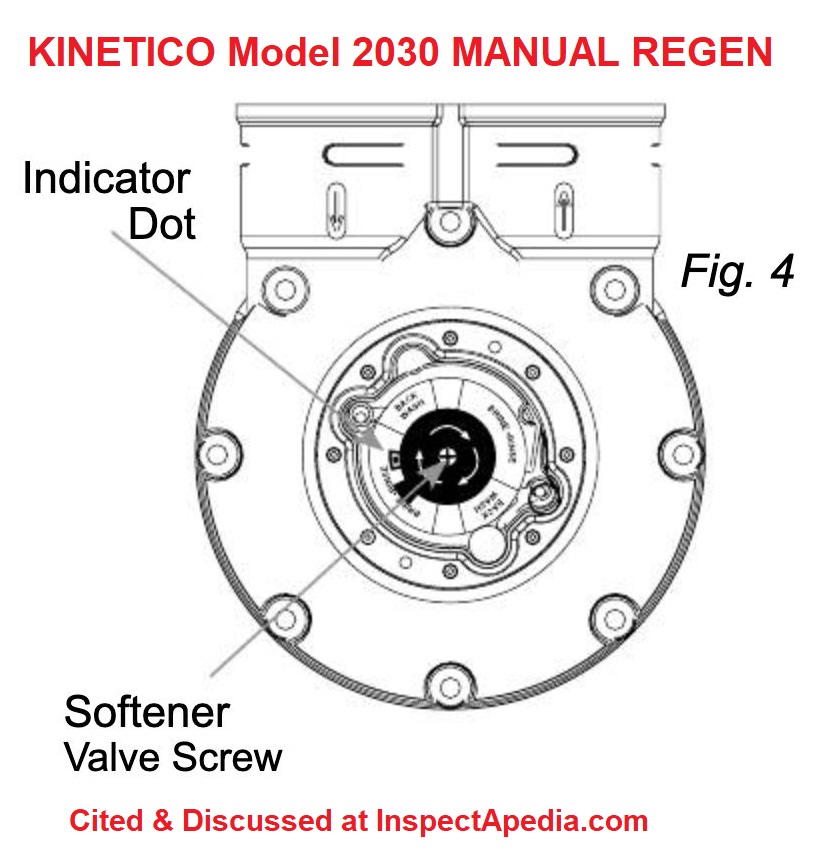
Credit: inspectapedia.com
Setting Water Hardness Levels
Setting the right water hardness level is important for your Kinetico water softener. It helps the system work well and protects your pipes and appliances. Water hardness depends on minerals like calcium and magnesium in your water. Softening water improves its quality and makes cleaning easier.
Adjusting the hardness settings matches the softener to your water’s actual condition. This step saves salt and water. It also keeps your water soft without wasting resources. Follow simple steps to test and set your water hardness correctly.
Testing Your Water Hardness
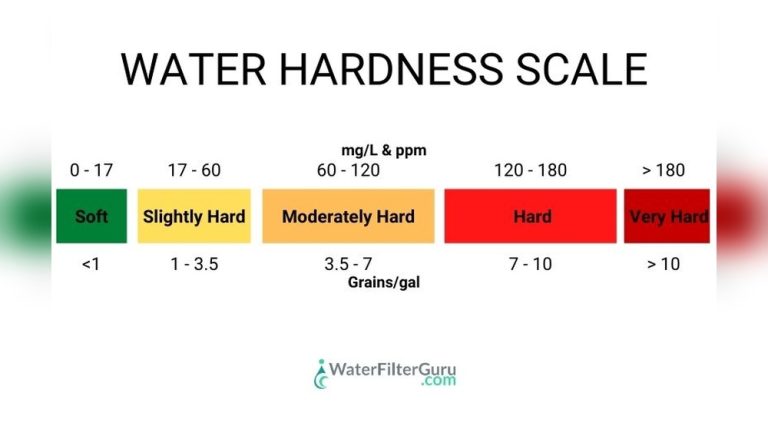
Testing water hardness is the first step. Use a water testing kit from a store or online. These kits show the hardness level in grains per gallon (gpg) or parts per million (ppm). Collect water from your main tap for an accurate test.
Read the test results carefully. Knowing your water hardness helps set the softener correctly. You can also send a water sample to a lab for precise results. Keep the test results for later use.
Adjusting Hardness Settings
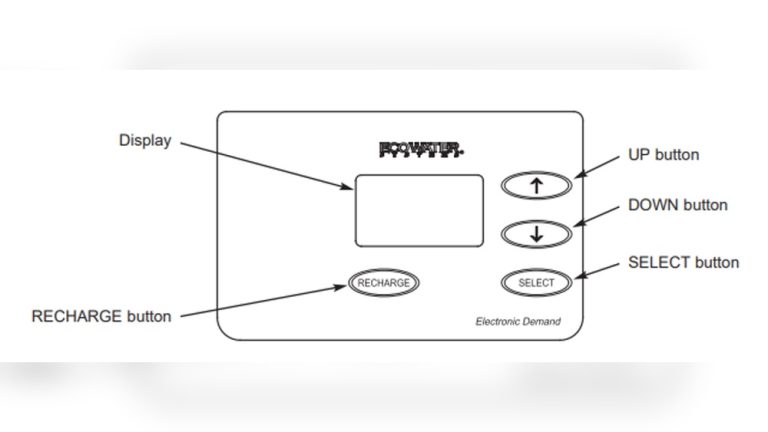
Find the hardness setting dial or control panel on your Kinetico softener. Use the test results to set the hardness level. Turn the dial or enter the number that matches your water hardness.
Set the level too low, and your water may stay hard. Set it too high, and the softener will waste salt. Check the manual for detailed steps. After adjusting, monitor your water quality and adjust again if needed.
Regeneration Frequency
Regeneration frequency is a key setting for Kinetico water softeners. It controls how often the system cleans and recharges itself. Proper regeneration keeps your water soft and the system working well. Setting the right frequency can save salt and water. It also affects how soft your water feels.
Choosing The Right Cycle
Select a cycle based on your water hardness and daily use. A higher hardness level needs more frequent regeneration. If your household uses a lot of water, increase the cycle frequency. Too frequent cycles waste salt and water. Too few cycles lead to hard water problems. Use your Kinetico manual or test your water to find the best cycle.
Impact On Water Quality And Salt Usage
Frequent regeneration improves water softness but uses more salt. Less frequent cycles save salt but may reduce water quality. The right balance keeps water soft without wasting resources. Proper settings protect your pipes and appliances from scale build-up. Monitor your water quality and adjust the cycle if needed. Efficient regeneration keeps your system healthy and your water pure.

Credit: www.youtube.com
Salt Settings And Maintenance
Proper salt settings and maintenance keep your Kinetico water softener working well. Salt helps the system remove hard minerals from your water. Managing salt levels and cleaning the system extends its life and improves water quality.
Optimal Salt Levels
Check the salt level in the brine tank often. Keep the salt at least half full. Use high-quality salt designed for water softeners. Avoid letting the salt drop too low. Low salt can reduce softening performance.
Preventing Salt Bridges
Salt bridges form when salt clumps and hardens on top. This blocks salt from dissolving into water. Break salt bridges gently with a broom handle or stick. Avoid using sharp tools to prevent damage. Prevent bridges by keeping the tank dry and using coarse salt.
Regular Maintenance Tips
Clean the brine tank once a year. Remove old salt and debris during cleaning. Check for salt mush or sludge and remove it. Inspect the tank for cracks or leaks. Follow the manufacturer’s instructions for maintenance steps.
Advanced Customizations
Advanced customizations let you tailor your Kinetico water softener to your home’s needs. These settings improve efficiency and save salt and water. Adjusting the system helps it work best for your daily water use. Small changes can make a big difference in performance and cost.
Adjusting For Household Size
Kinetico water softeners allow you to change settings based on how many people live in your house. More people means more water use and more hardness to remove. You can increase the regeneration frequency to keep water soft all day. For smaller households, reduce settings to save salt and water. This adjustment keeps the system balanced and efficient.
Seasonal Setting Adjustments
Water hardness can change with the seasons. In some places, hardness is higher in summer and lower in winter. Adjusting your softener settings with the seasons helps maintain soft water all year. Increase regeneration in hard water seasons and lower it when hardness drops. These tweaks prevent overuse of salt and water, reducing waste.
Troubleshooting Common Issues
Troubleshooting common issues with Kinetico water softener settings helps keep the system working well. Problems can affect water quality and appliance performance. Simple checks and fixes often solve these issues. Understanding common problems saves time and avoids costly repairs.
Performance Problems
Water that feels hard or leaves spots may mean softener issues. Check salt levels in the brine tank. Low salt causes poor softening. Make sure the system cycles properly. A stuck valve or timer can stop regeneration. Clean the resin bed if water flow slows. Hard water damage may happen without regular maintenance.
Error Codes And Solutions
Kinetico softeners show error codes on the control panel. Each code points to a specific problem. For example, code 01 means a power failure. Code 03 signals a valve issue. Consult the user manual for code explanations. Resetting the system often clears temporary errors. Persistent codes need professional service. Keeping the system clean helps prevent errors.
Maximizing Efficiency
Maximizing efficiency in your Kinetico water softener saves money and improves performance. Proper settings reduce waste and keep the system running smoothly. Small changes can make a big difference in energy use and system life.
Focus on easy adjustments to get the best results. Understanding key tips helps you maintain the softener well. This keeps your water soft and your bills low.
Energy Saving Tips
Set the softener to match your water hardness level. Avoid regenerating too often. This cuts down salt and water use.
Use a timer setting to run regeneration during off-peak hours. This lowers electricity costs. Choose a setting that fits your daily water use pattern.
Check for leaks in your plumbing. Leaks waste water and energy. Fix leaks quickly to save power and water.
Extending System Lifespan
Clean the brine tank regularly. Salt build-up can harm the system. Use recommended salt types for best results.
Inspect resin beads once a year. Resin helps remove hardness from water. Replace resin if it looks worn or damaged.
Schedule professional maintenance every couple of years. Experts check for hidden issues. Regular care keeps your softener working longer.

Credit: www.scribd.com
Frequently Asked Questions
How Do I Set The Regeneration Time On My Kinetico Softener?
To set regeneration time, access the control panel on your Kinetico unit. Use the buttons to select the preferred regeneration hour. Choose a time when water usage is low, typically late at night, to ensure efficient operation and avoid water disruption.
What Is The Ideal Salt Level For Kinetico Water Softeners?
Maintain the salt level in the brine tank at least half full. Avoid letting it drop below one-quarter full to prevent regeneration issues. Regularly check and refill with high-quality salt for optimal softening performance and longevity of the system.
How Often Should Kinetico Settings Be Adjusted?
Adjust settings only when water hardness or usage changes significantly. Most users set it once during installation. Frequent changes can disrupt softening efficiency. Monitor water quality regularly to decide if adjustments are necessary for consistent soft water output.
Can I Customize Hardness Settings On Kinetico Softeners?
Yes, you can adjust hardness settings via the control panel. Input your local water hardness value for accurate calibration. This ensures the system uses the right amount of salt and regenerates appropriately, providing effective and efficient water softening.
Conclusion
Setting your Kinetico water softener correctly saves money and protects your home. Adjust the settings based on your water hardness and usage. Regular checks keep the system working well. Simple steps help your softener run smoothly every day. Clear water and less scale mean better appliances and softer skin.
Take time to understand your softener’s controls for the best results. Good settings make a big difference in water quality. Keep it easy, keep it right.