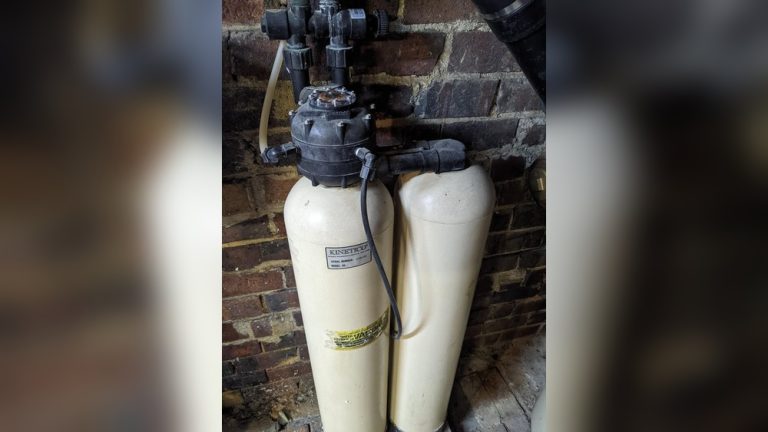

Is your water softener leaking from the bottom? If you’ve noticed water pooling around your unit, it’s not something to ignore.
A leak can cause damage to your floors and waste water, leading to higher bills and costly repairs. But don’t worry—you’re not alone, and this problem is often fixable. You’ll discover why your water softener might be leaking from the bottom and what simple steps you can take to stop it.
Keep reading to protect your home and save money before the leak gets worse.
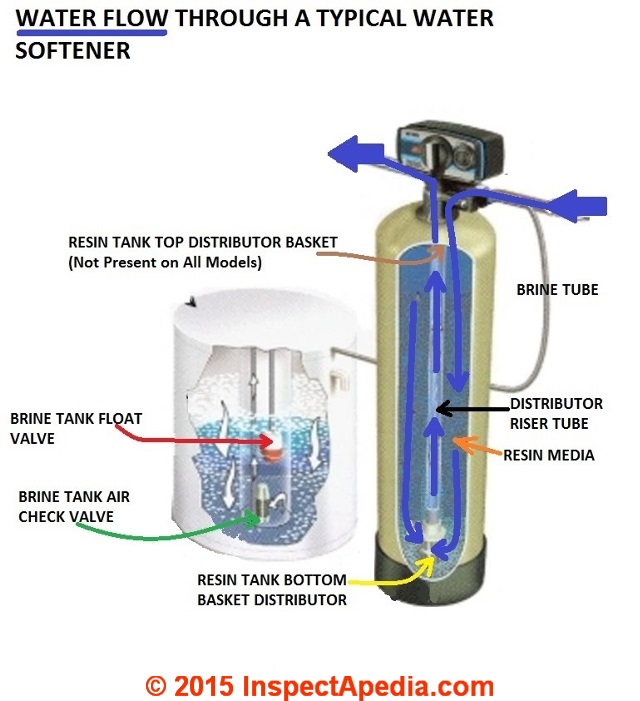
Credit: inspectapedia.com
Common Causes Of Bottom Leaks
Water softeners sometimes leak from the bottom. This can cause water damage and waste. Identifying the cause helps fix the problem quickly. Below are the common reasons for bottom leaks in water softeners.
Worn Out Seals And Gaskets
Seals and gaskets keep water inside the system. Over time, they wear out or crack. This leads to water leaking from the bottom. Replacing old seals stops the leak and protects the floor.
Cracked Resin Tank
The resin tank holds the softening beads. If it cracks, water leaks out. Cracks often happen from wear or impact. A cracked tank usually needs full replacement to stop leaks.
Loose Drain Line Connection
The drain line removes waste water from the softener. If this connection is loose, water drips at the bottom. Tightening the drain line can solve this leak easily.
Faulty Bypass Valve
The bypass valve controls water flow around the softener. A faulty valve may allow leaks at the base. Fixing or replacing the valve stops water from escaping.
Quick Fixes For Leaks
Water softeners can leak from the bottom for several reasons. Quick fixes often solve small leaks before they worsen. Acting fast saves water and prevents damage.
Some leaks come from loose parts or worn seals. Others come from damaged drain lines. Simple repairs can stop most leaks without calling a plumber.
Tightening Connections
Check all connections around the base of the water softener. Use a wrench to gently tighten loose fittings. Avoid over-tightening to prevent damage. Tight connections often stop leaks immediately.
Replacing Seals And O-rings
Seals and O-rings wear out over time. Remove the softener’s base panel to access these parts. Replace old seals with new, matching ones. This fix stops leaks caused by worn-out seals.
Repairing Or Replacing The Drain Line
Look at the drain line for cracks or holes. Small cracks can be patched with waterproof tape. Larger damage requires replacing the drain line. New drain lines cost little and prevent leaks effectively.
Temporary Leak Sealing Methods
Use plumber’s putty or waterproof tape for temporary sealing. Apply these materials around the leaking area carefully. These methods hold until you can make a permanent repair. Temporary fixes reduce water waste and damage risks.
Tools And Materials Needed
Fixing a water softener that leaks from the bottom needs the right tools and materials. Having these ready helps solve the problem faster and safer. Each tool plays a key role in the repair process.
Basic Plumbing Tools
Wrenches are essential for loosening and tightening pipes. A screwdriver helps remove covers or panels. Pliers come in handy to grip small parts and connectors. A bucket can catch water during repairs. Keep a flashlight nearby to see inside dark spaces.
Seal Replacement Kits
Leaking often happens due to worn-out seals. Seal replacement kits include new gaskets and O-rings. These parts fit perfectly in your water softener model. Having the right kit prevents future leaks and saves money. Always choose a kit made for your specific unit.
Leak Sealants
Sealants help stop small leaks quickly. Silicone-based sealants work well for water softeners. Apply the sealant on joints or cracks for a tight seal. Let the sealant dry fully before using the softener again. Use only products safe for potable water systems.
Protective Gear
Wear gloves to protect your hands from chemicals and sharp parts. Safety glasses shield your eyes from splashes and debris. Old clothes or a work apron keep you clean. Prepare your workspace to avoid slips from spilled water.
Credit: mortonwatersofteners.zendesk.com
Preventing Future Leaks
Preventing future leaks from the bottom of your water softener saves money and stress. Small leaks can cause big damage if ignored. Taking simple steps can stop leaks before they start. Regular care and checks keep your system working well.
Regular Maintenance Tips
Check the system monthly for any signs of water. Clean the brine tank to avoid salt buildup. Replace worn-out seals and gaskets promptly. Use only the recommended salt type for your softener. Flush the system as per the manufacturer’s guide.
Proper Installation Practices
Install the water softener on a flat, stable surface. Ensure all connections are tight but not over-tightened. Use quality fittings and pipes designed for water softeners. Follow the user manual carefully during setup. Avoid placing the unit where temperature changes often.
Periodic Inspection Checklist
Inspect hoses and valves for cracks or leaks every few months. Look under the unit for any water puddles or damp spots. Test the system’s pressure and flow regularly. Check the brine tank water level to prevent overflow. Note any unusual sounds or smells and address them fast.
When To Call A Professional
Not all water softener leaks are easy to fix. Some issues need expert care to avoid bigger problems. Knowing when to call a professional saves time and money. It also protects your home from water damage. Understanding the signs of serious damage and repair limits helps you decide the right moment to seek help.
Signs Of Major Damage
Constant dripping from the bottom signals a big problem. Pools of water around the unit show leaks inside. Strange noises during operation can mean broken parts. Low water pressure after the leak hints at internal damage. Rust or corrosion near the base also warns of trouble. These signs mean your softener needs more than a quick fix.
Complex Repairs Beyond Diy
Fixing broken valves or internal seals requires skill. Replacing damaged tanks or pipes often needs special tools. Electrical issues inside the control panel are risky to handle alone. Incorrect repairs can cause more leaks or system failure. If the leak source is unclear, professionals have the right methods to find it. Some repairs need parts only experts can install correctly.
Choosing The Right Service Expert
Pick a technician with good reviews and experience in water softeners. Check if they offer guarantees on their work. Ask about their knowledge of your softener brand and model. Fast response time is important to stop water damage early. Clear pricing helps avoid surprises in the repair bill. Skilled experts ensure your softener works well after the repair.

Credit: www.reddit.com
Frequently Asked Questions
Why Is My Water Softener Leaking From The Bottom?
A leak from the bottom often indicates a cracked tank or loose drain line. Check for damaged seals or faulty valves causing water to escape. Prompt repairs prevent water damage and maintain softener efficiency.
How Can I Fix A Leaking Water Softener Base?
First, turn off the water and power supply. Inspect and tighten all connections. Replace worn-out O-rings or cracked parts. If the tank is damaged, professional repair or replacement may be necessary.
What Causes Water Softeners To Leak At The Base?
Common causes include corrosion, cracked resin tanks, faulty drain lines, or loose fittings. Mineral buildup can also weaken seals. Regular maintenance helps identify issues early and prevents leaks from worsening.
Is A Leaking Water Softener Dangerous?
Yes, leaks can cause water damage and electrical hazards if near power sources. It may also reduce water softener effectiveness. Address leaks quickly to avoid costly repairs and ensure safe operation.
Conclusion
A water softener leaking from the bottom needs quick attention. Small leaks can cause big problems over time. Check the valves, seals, and connections carefully. Sometimes, cleaning or tightening parts stops the leak. Regular maintenance helps keep your system working well.
Don’t ignore leaks; fix them before damage grows. A well-maintained softener saves money and water. Simple steps can protect your home and improve water quality. Stay alert to signs of leaks and act fast. Your water softener should work smoothly and leak-free.