
Is your Culligan water softener acting up when you need it most? You rely on it for smooth, clean water every day, so when something goes wrong, it can be frustrating.
But don’t worry—fixing common issues might be simpler than you think. In this guide, you’ll discover easy troubleshooting tips that can save you time and money. Keep reading to learn how to get your water softener back to perfect working order quickly and confidently.
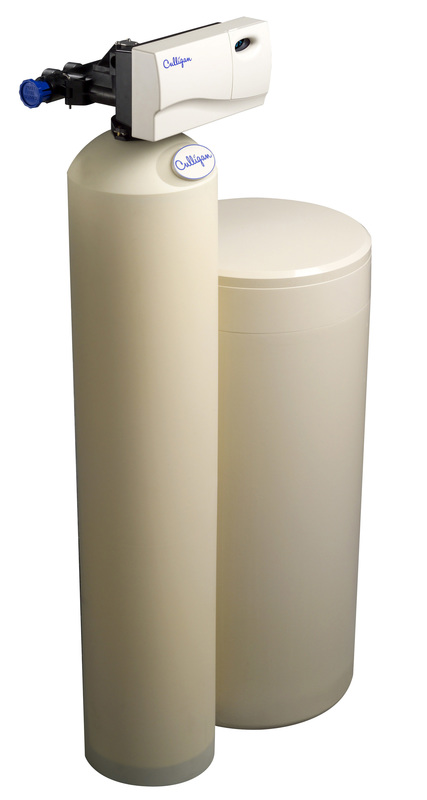
Credit: www.culligan.com
Common Culligan Water Softener Issues
Culligan water softeners help improve water quality by removing hardness. Some issues can stop them from working well. Knowing common problems can save time and money. This guide covers key issues and simple fixes.
Salt Bridging
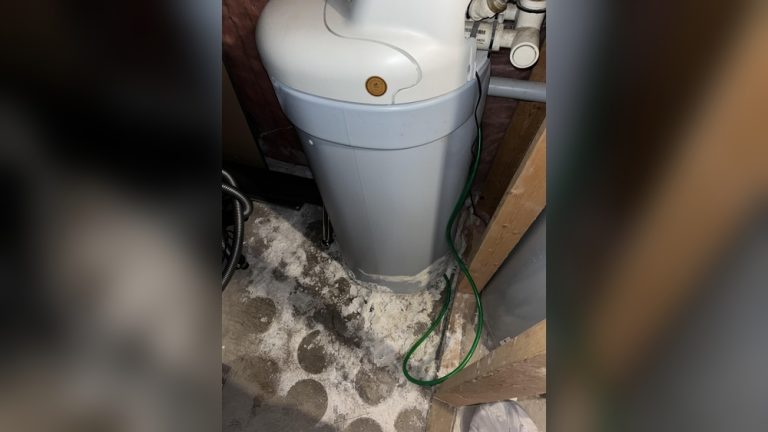
Salt bridging happens when salt forms a hard crust inside the tank. This crust blocks salt from reaching the water. The softener cannot regenerate properly without salt. Check for a solid layer on top of the salt. Break it up carefully to fix the problem.
Resin Bead Problems
Resin beads trap hard minerals in water softeners. Over time, beads can wear out or get dirty. This reduces softening efficiency. A decline in water softness may signal resin issues. Cleaning or replacing resin beads restores performance.
Low Water Pressure
Low water pressure from the softener affects the whole house. Blockages in pipes or valves often cause this. Salt buildup or clogged resin beads can also reduce pressure. Inspect parts and clean or replace as needed to improve flow.
Unit Not Regenerating
The softener must regenerate to remove hardness minerals. If it does not, water stays hard. Problems with timers, sensors, or salt levels can stop regeneration. Check settings and salt supply. Reset or repair controls for proper cycling.
Credit: www.culliganofshawano.com
Diagnosing Salt Problems
Salt problems often cause Culligan water softeners to stop working well. Salt is key for softening water. Without enough salt, the system cannot remove hardness properly. Salt issues like low levels, bridges, or dirty tanks can block softener function. Identifying these problems helps keep the water softener running smoothly.
Checking Salt Levels
Open the salt tank and look inside. The salt should be above the water level. If salt is low, the softener cannot regenerate properly. Refill the tank with the right type of salt. Avoid letting the salt fall below the water line. Check the salt level every month for best results.
Breaking Up Salt Bridges
Salt bridges are hard crusts that form in the tank. They stop salt from reaching the water. To find a salt bridge, tap the salt surface gently. If it sounds hollow, a bridge may exist. Use a broom handle or similar tool to break the crust. Remove large chunks carefully. Avoid damaging the tank walls.
Cleaning Salt Tank
Over time, dirt and sludge build up inside the salt tank. This can block salt and affect softening. Empty the tank completely before cleaning. Use warm water and a mild detergent to scrub the sides. Rinse well to remove all soap. Let the tank dry before adding new salt. Clean every 1-2 years for best performance.
Fixing Resin And Valve Issues
Fixing resin and valve issues in your Culligan water softener can restore its efficiency. Resin beads help remove hardness from water. Valves control the flow and regeneration cycles. Problems in these parts cause poor water softening or leaks.
Inspecting Resin Beads
Check resin beads for clumping or dirt. Dirty beads reduce softening power. Remove the resin tank and look inside. If beads appear dark or sticky, they need cleaning or replacement. Clean beads keep your water soft and clean.
Flushing The Resin Tank
Flushing removes dirt and buildup from the resin tank. Turn off the water and power before flushing. Run clean water through the tank to flush out debris. This process improves water flow and softening. Flush regularly to keep the system working well.
Resetting The Control Valve
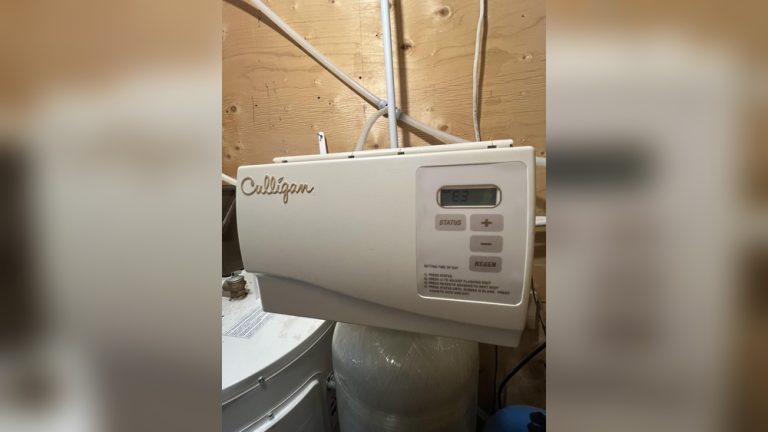
The control valve manages the softener’s cycles. Resetting it fixes minor glitches or errors. Locate the control panel on your softener. Follow the manual to reset using the buttons or dial. A reset can clear errors and restart the system smoothly.
Addressing Water Pressure Drops
Water pressure drops in your Culligan water softener can cause frustration. Low pressure affects your daily water use. This section helps you find and fix common causes. Follow simple steps to restore strong water flow quickly.
Cleaning The Injector And Screen
The injector and screen can get clogged with dirt and minerals. Remove the injector carefully from the softener. Rinse it under running water to clear any blockages. Use a soft brush to clean the screen gently. Clean parts allow water to flow smoothly again.
Checking For Clogged Pipes
Clogged pipes reduce water pressure inside your system. Inspect pipes leading to and from the softener. Look for visible signs of buildup or damage. Flush pipes with water to clear small blockages. If pipes remain clogged, consider professional help to avoid damage.
Adjusting Bypass Valve
The bypass valve controls water flow through your softener. Sometimes, it is not fully open, causing low pressure. Locate the bypass valve near the softener unit. Turn the valve slowly to ensure it is fully open. Proper valve adjustment improves water pressure instantly.
Restarting Regeneration Cycles
Restarting the regeneration cycle is a key step in fixing Culligan water softeners. This process helps the system clean its resin beads and keep soft water flowing. Sometimes, the cycle may stop or not start as planned. Restarting it can solve many common issues.
Knowing how to manually start a regeneration cycle can save time and avoid calling a technician. Also, setting the correct time and day ensures the system regenerates at the right moment. Checking and replacing batteries is important too. Dead batteries can stop the system from working properly.
Manual Regeneration Process
To start the regeneration manually, find the control valve on your system. Press and hold the regeneration button. Wait until the system begins the cycle. This process usually takes a few hours to complete. Avoid using water during this time. Manual regeneration helps clear clogs and refresh resin beads.
Setting Correct Time And Day
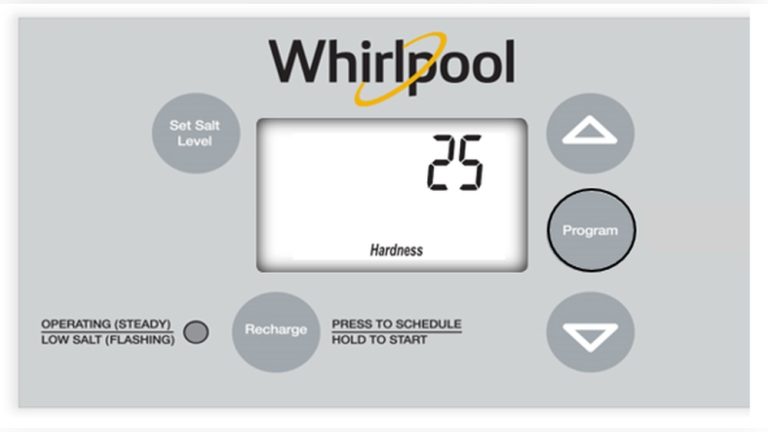
Set the right time and day on the control panel. This setting controls when the softener starts its automatic regeneration. Use the arrows or buttons on the display. Match the time exactly to your local time. Incorrect settings can cause the softener to miss its cycle or run too often.
Replacing Batteries If Needed
Check the battery compartment on the control unit. Replace old or dead batteries with new ones. Batteries power the clock and control panel. Without power, the system may fail to start regeneration. Use fresh batteries to keep your softener running smoothly.
Credit: www.culligan.com
Preventive Care Tips
Taking care of your Culligan water softener helps it work well for many years. Small steps can prevent big problems. These tips keep your system clean and running smoothly. Follow these simple actions to avoid common issues and save money on repairs.
Regular Salt Refills
Salt is key for your water softener to work. Check the salt level once a month. Fill the tank before salt runs low. Use high-quality salt made for water softeners. Avoid letting the salt form a hard crust. This keeps the system working well every day.
Routine Cleaning
Clean the brine tank every few months. Remove any dirt or salt buildup inside. This stops blockages and keeps water soft. Wash the tank with warm water and mild soap. Rinse well to remove all soap. Clean parts help the softener work better.
Annual Professional Service
Have a professional check your system once a year. They can find small problems early. Experts clean parts you cannot reach. They test the water to ensure softness. Annual service keeps your softener in top shape. It also extends the life of your unit.
Frequently Asked Questions
How To Reset A Culligan Water Softener?
To reset, press the control panel button until it restarts. This clears errors and restarts the system. Check the user manual for model-specific instructions.
Why Is My Culligan Water Softener Not Regenerating?
Check salt levels and timer settings. Low salt or incorrect timing can stop regeneration. Also, inspect for clogged valves or motor issues.
How To Fix Culligan Water Softener Salt Bridge?
Break the salt bridge using a broom handle or stick. Avoid sharp tools to prevent tank damage. Regularly clean the brine tank to prevent future bridges.
What Causes Culligan Water Softener To Leak Water?
Leaks often result from worn seals or cracked tanks. Inspect hoses, connections, and valves. Replace damaged parts promptly to avoid water damage.
Conclusion
Troubleshooting your Culligan water softener can save time and money. Start with simple checks like salt levels and settings. Clean or replace parts if needed. Regular care helps your softener work well longer. Remember, small fixes often solve common problems.
Stay patient and follow the steps carefully. This way, you keep your water soft and your home running smoothly. Easy maintenance makes a big difference in water quality. Keep your system healthy for better water every day.