
Are you unsure if your water softener salt level is set just right? Getting this setting wrong can waste salt, damage your system, or leave you with hard water.
But don’t worry—understanding how to adjust your water softener salt level is easier than you think. You’ll discover simple tips to find the perfect balance. Keep reading to make sure your water softener works efficiently and your home enjoys the best water quality every day.
Credit: whirlpoolwatersolutions.zendesk.com
Why Salt Level Matters
Salt level in a water softener plays a key role in its performance. The right amount of salt ensures the system works well. It helps remove hard minerals like calcium and magnesium from water. This keeps water soft and safe for home use.
Too much or too little salt can cause problems. Understanding why salt level matters helps keep your water softener in good shape. It also saves money and prevents damage to appliances.
Impact On Water Softening
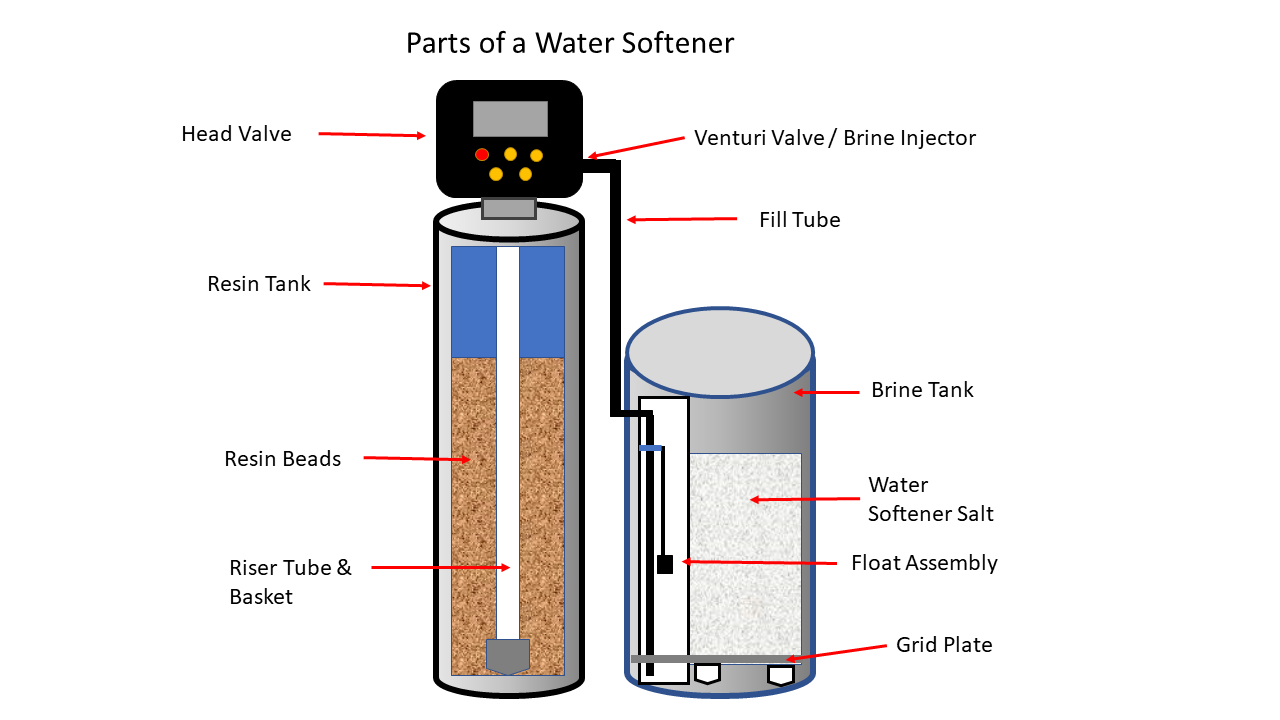
Salt helps recharge the water softener’s resin beads. These beads trap hard minerals from water. Without enough salt, the beads cannot clean well. Water may stay hard and cause stains and buildup.
Proper salt levels keep the softener running smoothly. It ensures soft water flows through your home. Soft water protects pipes, clothes, and skin from damage.
Consequences Of Incorrect Levels
Low salt levels cause the softener to stop working properly. Hard minerals stay in water, causing spots and scale. Appliances can break down faster due to buildup.
Too much salt wastes money and may create salty water. It can harm plants and pets if used for irrigation. Over time, high salt can damage the softener itself.
Credit: www.watersmartsystems.com
Types Of Water Softener Salt
Water softener salt is essential for keeping your water soft and clean. It helps the softener remove hard minerals like calcium and magnesium from water. Different types of salt work best in different systems. Choosing the right type can improve the softener’s performance and lifespan. Here are the main types of water softener salt.
Rock Salt
Rock salt is natural salt mined from underground deposits. It contains some impurities, which can cause buildup in the softener. It is usually the cheapest option. Rock salt works well but may need more frequent cleaning of the softener tank.
Solar Salt
Solar salt is made by evaporating seawater using sunlight. It has fewer impurities than rock salt. This type of salt dissolves easily and helps keep the softener clean. Solar salt is a popular choice for many home systems.
Evaporated Salt
Evaporated salt is the purest form of softener salt. It is made by evaporating brine under controlled conditions. This salt dissolves quickly and leaves little residue. It is more expensive but helps the softener last longer and work better.
Checking Salt Levels
Checking the salt levels in your water softener is a simple but important task. Salt helps the system remove hard minerals from your water. Low salt can cause poor water quality and damage the softener. Regular checks keep everything running smoothly and your water soft.
There are two common ways to check salt levels. One is by looking inside the tank. The other uses special sensors. Both methods help you know when to add more salt.
Visual Inspection
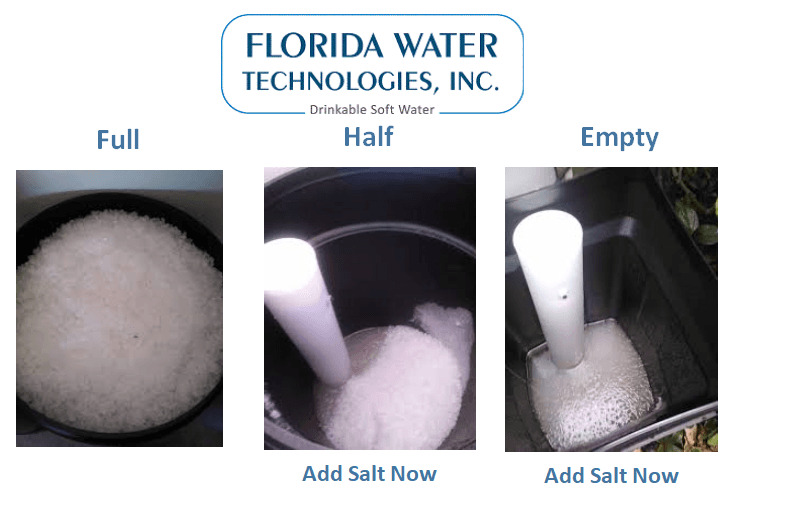
Open the salt tank lid carefully. Look inside the tank for the salt level. The salt should be above the water line. If the salt looks low, it is time to add more. Avoid letting the salt drop below six inches. Check for salt bridges or clumps. These can block the salt from dissolving. Break up any hard clumps with a stick or broom handle.
Using Salt Level Sensors
Some modern softeners have salt level sensors. These sensors detect the salt amount automatically. They send alerts when the salt is low. This saves time and avoids guesswork. Sensors give a quick and accurate reading. They help keep your softener working well. Check the sensor function regularly for best results.
Adjusting Salt Settings
Adjusting the salt settings on your water softener helps keep the system working well. Proper salt levels ensure your water stays soft and appliances last longer. Too little salt can reduce softening power. Too much salt wastes resources and can cause buildup. Regular checks and adjustments keep your softener efficient and reliable.
Manual Adjustment Steps
Find the salt level control on your water softener. It is usually a dial or digital panel. Check the current salt setting before changing it. Turn the dial or press buttons to raise or lower the salt level. Adjust in small steps, then wait a day to see results. Keep salt at recommended levels from the user manual. Avoid setting salt too high or too low. Always refill the salt tank with the right salt type.
Automatic Adjustment Features
Many modern water softeners adjust salt levels automatically. Sensors detect water hardness and salt concentration. The system changes salt use based on water flow and hardness. This saves salt and keeps water soft consistently. Automatic settings reduce the need for manual changes. Check the system’s display for salt level updates. Ensure sensors stay clean and free of salt buildup. Follow manufacturer tips for best automatic performance.
Common Problems And Fixes
Water softener salt levels can face common problems that stop the system from working well. These issues can cause poor water quality or system errors. Knowing how to spot and fix these problems helps keep your water softener running smoothly. Here are some typical problems and simple fixes to try.
Salt Bridges
Salt bridges happen when salt hardens and forms a crust inside the tank. This crust stops the salt from dissolving in water. The water softener thinks the salt level is enough, but the system does not get enough salt. To fix this, break the salt crust with a broom handle or stick. Avoid using sharp tools that can damage the tank.
Salt Mushing
Salt mushing occurs when salt turns into a thick sludge at the bottom of the tank. This sludge blocks salt from mixing with water properly. The water softener cannot regenerate well. To solve this, remove the salt and clean the tank. Use high-quality salt that dissolves well to avoid mushy salt.
Low Salt Alerts
Low salt alerts warn you when the salt level is too low. Sometimes the sensor can be dirty or faulty, causing false alerts. Check the sensor for dirt and clean it gently. If the alert keeps coming, replace the sensor or check the salt level manually. Keep the salt level above the water line for best results.
Credit: www.floridawatertechnologies.com
Maintaining Optimal Salt Levels
Maintaining optimal salt levels in your water softener is crucial for its proper functioning. The right salt amount helps the system remove hardness from water efficiently. Low salt can cause hard water problems. Too much salt can lead to salt build-up and waste. Regular care ensures smooth operation and extends the softener’s life.
Regular Refilling Tips
Check the salt level once a month. Keep the salt at least half full. Use high-quality salt designed for water softeners. Avoid letting the salt drop below the water level. Fill the tank slowly to prevent salt bridges. Salt bridges block water flow and reduce effectiveness. Break up any hardened salt clumps with a broom handle.
Cleaning The Brine Tank
Clean the brine tank every 6 to 12 months. Empty the tank and remove old salt. Wash the tank with soapy water and rinse well. Remove any salt residue or sludge at the bottom. Let the tank dry before adding fresh salt. Regular cleaning prevents clogs and keeps the softener working well.
Improving Hard Water Treatment
Hard water can cause many problems in your home. It leaves spots on dishes and makes soap less effective. Using a water softener helps reduce these issues by removing minerals like calcium and magnesium. Setting the right salt level in your softener is key to better hard water treatment. This keeps your softener working well and protects your plumbing and appliances.
Adjusting the salt level alone may not solve all hard water issues. Combining salt with other methods can improve water quality further. Knowing when to upgrade your softener also helps maintain good water treatment over time.
Combining Salt With Other Methods
Salt works by exchanging hard minerals with sodium. Adding filters or conditioners can remove other unwanted elements. For example, activated carbon filters reduce chlorine and bad smells. Using multiple methods helps treat water more completely. It also extends the life of your softener and household pipes.
When To Upgrade Your Softener
Old or small softeners may not handle hard water well. Signs like soap scum or scale buildup mean it’s time to upgrade. New models use less salt and work more efficiently. Upgrading ensures better water quality and lowers your costs. Regular checks help decide the best time to replace your softener.
Frequently Asked Questions
What Is The Ideal Water Softener Salt Level Setting?
The ideal salt level is typically between half and three-quarters full. This ensures efficient regeneration and prevents salt bridging or mushing.
How Often Should I Check My Water Softener Salt Level?
Check your salt level monthly. Regular checks prevent low salt conditions that reduce water softening performance and damage the system.
What Happens If The Salt Level Is Too Low?
Low salt levels cause poor regeneration, leading to hard water. It also increases wear on the softener components and shortens lifespan.
Can I Use Any Type Of Salt For Water Softeners?
Use high-purity salt pellets designed for water softeners. Avoid rock salt or table salt, which may clog the system and reduce efficiency.
Conclusion
Setting the right salt level keeps your water softener working well. It helps prevent hard water problems and saves salt. Check the salt level often to avoid issues. Too little salt means the system won’t clean water properly. Too much salt wastes resources and can cause damage.
A balanced salt level ensures clean, soft water for your home. Simple steps make a big difference in water quality. Keep your softener salt level steady for best results.