
Are you tired of dealing with hard water problems like spots on your dishes, dry skin, or clogged pipes? You might have heard about inline water softeners as a simple fix.
But do inline water softeners really work the way you expect? Before you invest your time and money, it’s important to understand how these devices function and if they can truly solve your hard water issues. Keep reading to find out the truth and discover if an inline water softener is the right choice for your home.
How Inline Water Softeners Operate
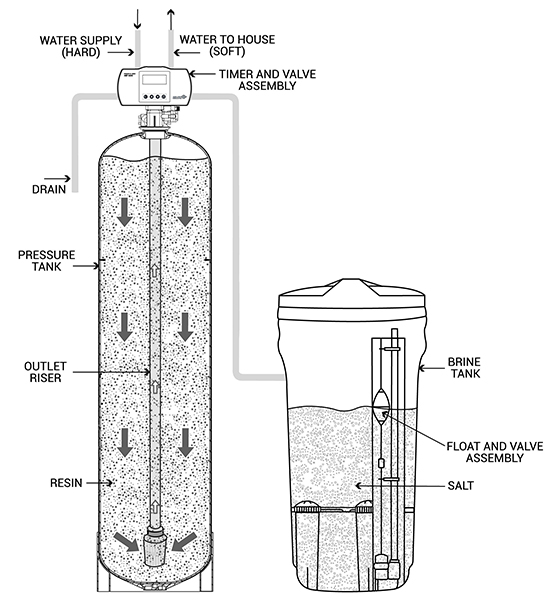
Inline water softeners work by removing minerals like calcium and magnesium. These minerals cause hard water problems. The softener uses a small chamber filled with resin beads. As water passes through, the beads attract and trap the hard minerals. This process is called ion exchange. It replaces hard minerals with sodium or potassium ions.
There are two main types of inline water softeners. One uses a salt-based resin to soften water effectively. The other type is salt-free. Salt-free softeners use a special media to reduce scale build-up but do not remove minerals completely.
| Type | How It Works | Pros | Cons |
|---|---|---|---|
| Salt-Based | Ion exchange removes hard minerals | Effective softening | Needs salt refill |
| Salt-Free | Reduces scale, minerals stay | No salt needed, low maintenance | Less effective softening |
Credit: hydronixwater.com
Benefits Of Using Inline Softeners
Inline water softeners save a lot of space. They fit directly into pipes, so no big tanks needed. This is great for homes with small areas. Easy to hide and use.
They cost less than big softening systems. No extra parts or big machines to buy. This makes them budget-friendly for many families. Also, they use less water and salt, saving money over time.
Installation is simple and quick. No need for special tools or experts. Just connect to your water line and it works. This saves time and effort. Good for people who want fast setup.
Common Limitations
Inline water softeners help reduce hardness but may not remove all minerals. They work best with moderate hard water. Very hard water can still cause some scale buildup.
These softeners need regular maintenance. Filters or cartridges must be cleaned or replaced often. Neglecting this can lower their performance.
Some models may affect water pressure. Water flow can slow down if the system clogs or is too small for your home’s needs. This can be frustrating during busy water use times.
Credit: www.water-right.com
Comparing Inline Softeners With Traditional Systems
Inline water softeners work by treating water directly inside the pipes. They use less space and are easier to install. Traditional systems use big tanks filled with salt to remove hard minerals. Inline softeners are best for mild hard water. Traditional systems handle very hard water better and give softer water overall.
Lifespan varies. Traditional softeners last 10 to 15 years with regular care. Inline softeners may last less, around 5 to 7 years. Durability depends on water quality and maintenance. Traditional systems need salt refills. Inline ones need less upkeep but may need parts changed sooner.
| Aspect | Inline Softeners | Traditional Systems |
|---|---|---|
| Water Softening Power | Good for mild hardness | Strong for very hard water |
| Lifespan | 5 to 7 years | 10 to 15 years |
| Maintenance | Low, no salt needed | Regular salt refills needed |
| Environmental Impact | Less salt discharge | Salt discharge may harm environment |
Inline softeners produce less salt waste. This means less harm to plants and animals. Traditional systems release salty water during cleaning. This salty water can affect soil and water health. Choosing depends on water hardness and care ability.
Signs You Need An Inline Water Softener
Hard water leaves white spots on dishes and sinks. It makes soap less effective and causes skin dryness. Clothes may look dull and feel rough after washing. Pipes can get clogged by mineral buildup. Water heaters may use more energy due to scale. These are clear signs that water is hard and may need softening.
Choosing the right solution depends on water hardness and home size. Inline water softeners fit small spaces and treat water on the go. They reduce minerals that cause problems. For very hard water, larger systems might be better. Check water test results before deciding.
Installation Tips And Best Practices
Placement of inline water softeners affects their performance. Install them close to the main water supply for better softening. Avoid spots with extreme temperatures or direct sunlight. Keep them in an accessible area for easy maintenance and salt refills.
Professional installation ensures correct setup and prevents leaks. Experts know the right tools and techniques. They check for pipe compatibility and water pressure. This reduces future problems and extends the softener’s life.
DIY installation can save money but needs care. Follow the manufacturer’s instructions closely. Use proper tools and check all connections for tightness. Test the system after installation to ensure it works well. Safety first: turn off water supply before starting any work.
User Experiences And Reviews
Many users share positive experiences with inline water softeners. They notice less scale buildup on taps and appliances. Clothes feel softer after washing. Skin and hair often feel smoother too.
Some report that their water tastes better. The installation is often easy and fits well in small spaces. People like that it uses less salt than traditional softeners.
| Success Stories | Common Complaints |
|---|---|
| Water feels softer and cleaner | Does not remove all hardness |
| Less soap needed for washing | Some find the price high |
| Easy to install and maintain | Occasional leaks reported |
| Improved appliance lifespan | Effectiveness varies with water type |

Credit: www.amazon.com
Frequently Asked Questions
How Effective Are Inline Water Softeners For Hard Water?
Inline water softeners effectively reduce hardness by removing calcium and magnesium ions. They improve water quality and prevent scale buildup in pipes and appliances. However, their efficiency depends on water hardness levels and system capacity. Regular maintenance ensures optimal performance and longevity.
Can Inline Water Softeners Save Energy And Appliance Life?
Yes, inline water softeners save energy by preventing scale buildup on heating elements. This improves appliance efficiency and extends their lifespan. Softened water reduces detergent use and prevents clogs, lowering maintenance costs. Overall, they enhance appliance performance and reduce utility bills.
Are Inline Water Softeners Easy To Install And Maintain?
Inline water softeners are generally easy to install with basic plumbing skills. They fit directly into your water line without major modifications. Maintenance involves periodic resin replacement or regeneration. Proper upkeep ensures consistent soft water and prolongs the system’s effectiveness.
Do Inline Water Softeners Remove All Water Contaminants?
Inline water softeners primarily target hardness minerals like calcium and magnesium. They do not remove chlorine, bacteria, or other chemical contaminants. For comprehensive water purification, additional filtration systems are necessary. Combining softeners with filters ensures cleaner, safer water.
Conclusion
Inline water softeners can help reduce hard water problems. They work by treating water as it flows through pipes. Many users notice less scale buildup and softer water feel. These systems need regular maintenance to stay effective. Results may vary based on water hardness and system type.
Choosing the right softener depends on your home’s needs. Simple, affordable, and space-saving options exist for most households. Overall, inline softeners offer a practical way to improve water quality. Consider your water issues and budget before deciding.