
Is your Culligan water softener not working the way it should? When your water softener fails to regenerate properly, hard water problems like spots on dishes, dry skin, and clogged pipes can quickly return.
You don’t have to live with these issues or call a technician every time something goes wrong. In this guide, you’ll discover simple, step-by-step troubleshooting tips to get your Culligan water softener regenerating smoothly again. Keep reading to take control of your water quality and enjoy the benefits of soft water without the hassle.
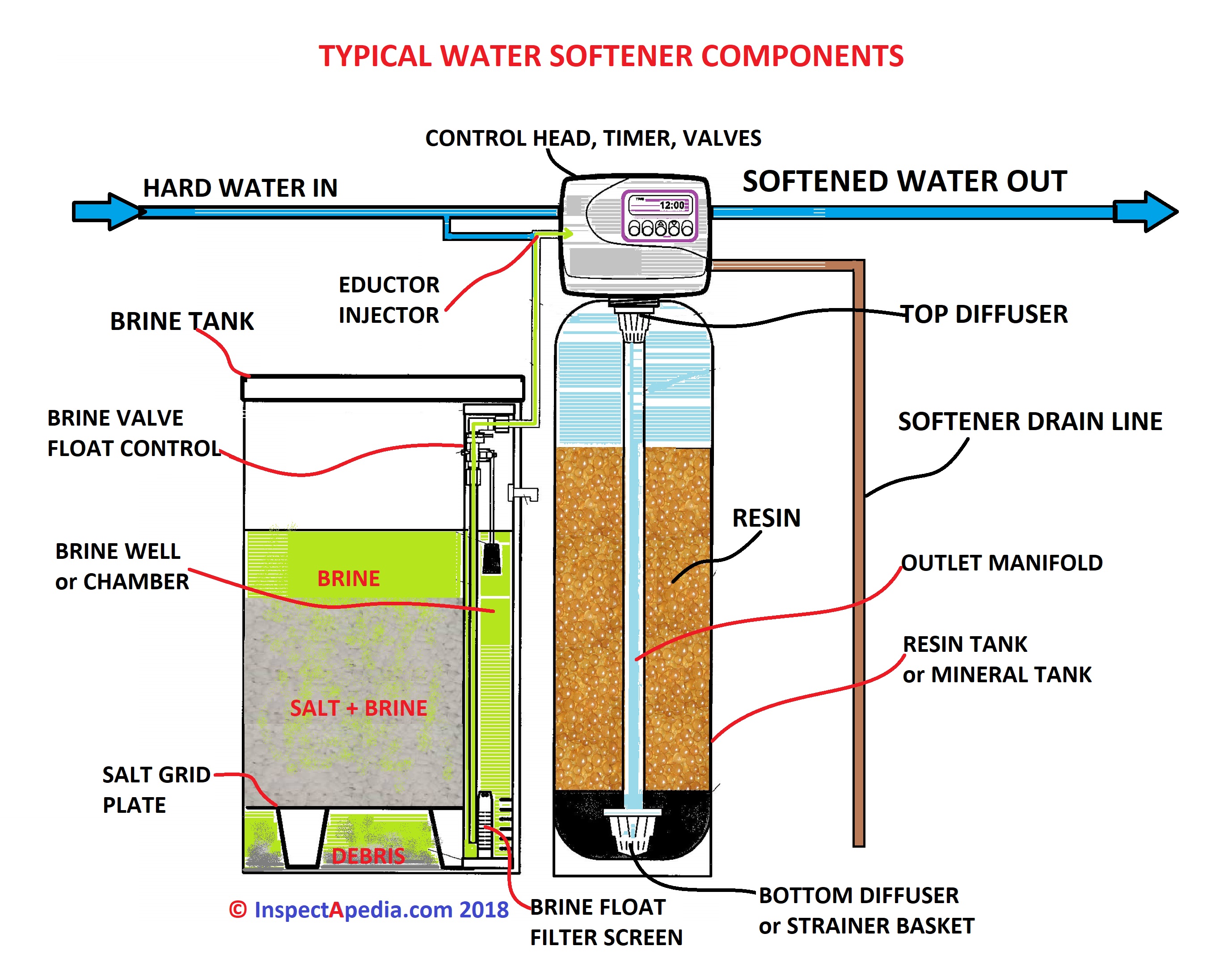
Credit: inspectapedia.com
Common Regeneration Issues
Water softeners need regular regeneration to work well. This process cleans the resin beads inside the system. Sometimes, problems happen during regeneration. These issues reduce the softener’s ability to remove hard minerals. Knowing common regeneration problems helps you fix them fast. It also keeps your water soft and clean.
No Regeneration Cycle
The softener may stop regenerating completely. This happens if the timer or control valve breaks. A power outage can also reset settings. Check if the system shows any error codes. Ensure the power supply is steady. Sometimes, the system needs a manual restart. Missing regeneration means hard water stays in your pipes.
Incomplete Regeneration
Incomplete regeneration leaves some minerals on the resin beads. This lowers water softness. Causes include low salt levels or clogged brine lines. A blocked injector or valve can also stop full cleaning. Clean the parts and add salt regularly. Look for salt bridges or salt mushing in the tank. These block salt from dissolving properly.
Frequent Regeneration
Regenerating too often wastes salt and water. It can happen if the system’s hardness setting is too low. A leak in the plumbing or resin tank can also cause this. Check for leaks and fix them quickly. Adjust the hardness setting to match your water test results. Frequent regeneration increases costs and may shorten system life.
Water Hardness After Regeneration
Hard water after regeneration means the softener is not working well. Resin beads may be old or damaged. The brine tank might have low salt or dirty water. Test the water hardness after regeneration. Replace resin if needed. Clean the brine tank and refill salt. Proper maintenance ensures soft water every time.

Credit: www.youtube.com
Checking The Control Valve
Checking the control valve is a key step in troubleshooting Culligan water softener regeneration issues. This valve controls the flow of water during the softening and regeneration cycles. Problems here can stop the system from working properly. Careful inspection and adjustment can often fix common errors.
Valve Settings And Programming
Start by reviewing the valve settings. The timer or control panel must be set to the correct time and day. Incorrect settings can delay or skip regeneration. Make sure the regeneration schedule matches your water usage. Reset the program if needed to match the manufacturer’s guidelines.
Inspecting For Mechanical Damage
Look closely at the valve for cracks, leaks, or broken parts. Mechanical damage can block water flow or cause the valve to stick. Check the seals and O-rings for wear or leaks. Replace any damaged pieces to restore proper function.
Cleaning The Valve Components
Dirt and mineral buildup can clog the valve parts. Remove the valve cover and clean the internal components gently. Use a soft brush and mild detergent to remove debris. Rinse thoroughly to avoid damage. Clean valves improve water flow and ensure smooth regeneration cycles.
Examining The Brine Tank
The brine tank plays a key role in the regeneration process of your Culligan water softener. This tank holds salt that creates the brine solution. The solution cleans the resin beads inside the softener. Problems in the brine tank can stop the softener from working properly. Checking the brine tank often can save time and money. The following sections explain common issues found in the brine tank.
Salt Bridges And Mushing
Salt bridges form hard crusts inside the brine tank. They look like solid layers above the salt. These bridges stop salt from dissolving in water. This blocks the brine solution needed for regeneration. Salt mushing happens when salt turns into thick sludge. It settles at the bottom of the tank. Mushing blocks the brine draw and causes softener failure. Use a broom handle or stick to break salt bridges gently.
Salt Level Maintenance
Maintaining the right salt level is crucial for softener efficiency. The salt should be at least half full in the tank. Too little salt means weak brine solution. This weak solution cannot clean resin beads well. Too much salt can cause bridging and mushing. Check the salt level once a month. Add salt pellets that are made for water softeners.
Brine Line Blockages
The brine line carries the saltwater to the resin tank. Blockages in this line stop the brine from flowing. Dirt, salt build-up, or small debris cause clogs. These blockages prevent the softener from regenerating. Check the brine line for cracks or kinks. Clean the line by flushing it with warm water. Replace damaged tubes to ensure smooth flow.
Inspecting The Resin Bed
Inspecting the resin bed is key to fixing Culligan water softener regeneration issues. The resin bed holds tiny beads that remove hard minerals from water. Over time, these beads can wear out or get dirty. Checking the resin bed helps find problems early. It keeps your softener working well and your water clean.
Resin Bead Condition
Resin beads should be smooth and round. They look like small, clear plastic balls. Over time, beads may break or become rough. Damaged beads do not soften water properly. Check the beads by opening the resin tank. Look for signs of wear or damage.
Signs Of Resin Fouling
Fouling happens when beads get coated with dirt or iron. The resin bed may look dark or slimy. Water flow may slow down. Soft water may turn hard again. Fouling reduces the resin’s ability to work. Cleaning or replacing the resin may be needed.
When To Replace Resin
Replace resin if beads are broken or heavily fouled. Resin usually lasts 10 to 15 years. Poor water quality or heavy use can shorten this time. If softening drops despite cleaning, it is time to replace. New resin restores softening power and water quality.
Evaluating Water Quality
Evaluating water quality is a key step in troubleshooting Culligan water softener regeneration issues. Poor water quality can cause the system to work inefficiently or fail to regenerate properly. Testing the water helps identify specific problems affecting the softener’s performance. Understanding what is in your water guides you to the right solution.
Testing Hardness Levels
Hardness levels show how much calcium and magnesium are in the water. These minerals cause scale build-up and reduce softener effectiveness. Use a water hardness test kit to measure the level. High hardness means the softener needs more frequent regeneration. Low hardness may indicate a problem with the system or water source.
Checking For Iron And Manganese
Iron and manganese also affect water softeners. They can stain fixtures and clog the resin bed. Test strips or lab tests detect their presence in water. Higher levels require special treatment or filters. Ignoring iron and manganese can cause regeneration failures and damage the softener.
Impact Of Water Contaminants
Other contaminants like chlorine, sediment, and organic matter impact softener function. Chlorine can harm the resin beads and reduce lifespan. Sediment clogs the system and blocks water flow. Organic matter causes odors and fouling. Testing for these helps maintain clean, efficient water softener operation.

Credit: www.culligan.com
Resetting And Testing The System
Resetting and testing the Culligan water softener system is key to solving many common issues. This process helps ensure the system runs smoothly. It also confirms that the water softener regenerates properly to keep your water soft and clean.
By following simple steps, you can restart the system and check its performance. This saves time and avoids costly repairs. Regular checks help catch problems early and keep your water softener working well.
Manual Regeneration Initiation
Start by manually triggering the regeneration cycle. Locate the control panel on your Culligan water softener. Press the button or turn the dial to begin the regeneration process.
This forces the system to flush out hard minerals and refresh the resin beads. Manual initiation helps test if the system can complete a full cycle. Watch for any unusual noises or error messages during this step.
System Diagnostics
Next, run a diagnostic check using the system’s built-in tools. This scan identifies any faults or malfunctions. Follow the instructions in your user manual to access diagnostic mode.
The system may display error codes or warnings. Note these codes for future reference or for customer support. Diagnostics reveal issues like sensor errors or valve problems.
Monitoring Regeneration Effectiveness
After regeneration, test your water for hardness levels. Use a simple water test kit or strips. Soft water should have low levels of calcium and magnesium.
Check the system’s brine tank and resin condition as well. Proper salt levels and clean resin beads improve regeneration. Monitoring these details ensures your water softener works efficiently every cycle.
Professional Repair And Maintenance
Professional repair and maintenance keep your Culligan water softener working well. Regular care helps avoid big problems. Skilled technicians can find and fix issues fast. They use special tools and parts made for Culligan systems. Proper service extends the softener’s life and keeps water soft.
When To Call A Technician
Call a technician if the softener stops regenerating. Strange noises or leaks need expert checks. If water feels hard again, it may need repair. Technicians know how to test and fix the system. Don’t wait too long; small problems can grow.
Routine Maintenance Tips
Check salt levels every month. Use the right salt type for Culligan softeners. Clean the brine tank yearly to stop salt build-up. Inspect valves and settings for any changes. Keep the area around the softener clean and dry.
Parts Replacement Guidance
Replace worn parts with genuine Culligan components only. Common parts to change include filters, valves, and seals. Use the softener’s manual to find part numbers. A technician can install parts safely and correctly. Avoid cheap parts to keep your system reliable.
Frequently Asked Questions
Why Is My Culligan Water Softener Not Regenerating?
Your Culligan water softener may not regenerate due to power issues, timer settings, or low salt levels. Check the power supply and ensure the timer is set correctly. Also, verify that the salt tank has enough salt for regeneration to occur properly.
How Often Should Culligan Water Softener Regenerate?
Culligan water softeners typically regenerate every 2 to 3 days. This frequency depends on water hardness, usage, and salt levels. Proper regeneration ensures soft water quality and system efficiency. Adjust settings based on your household needs for optimal performance.
What Causes Culligan Softener Regeneration To Fail?
Regeneration failure can be caused by clogged valves, salt bridges, or incorrect settings. Inspect the resin tank and brine tank for blockages. Regular maintenance and cleaning help prevent these issues and keep your softener working efficiently.
How Do I Manually Start Culligan Water Softener Regeneration?
To manually start regeneration, locate the control valve on your Culligan softener. Press and hold the regeneration or “manual regen” button until the cycle begins. This process flushes the resin beads and restores softening capacity immediately.
Conclusion
Troubleshooting your Culligan water softener can save time and money. Check the regeneration cycle regularly to keep water soft. Clean the brine tank and refill salt as needed. Watch for error codes on the control panel. Small fixes often solve common issues quickly.
Regular care helps your softener work at its best. Take simple steps to avoid future problems. A well-maintained system means soft water every day. Stay patient and follow these tips for easy repairs.