
Are you struggling with hard water problems at home? Choosing the right water softener capacity setting can make all the difference.
If your water softener is too small, it won’t handle the minerals causing damage. If it’s too big, you’ll waste money and energy. Understanding how to set the right capacity means cleaner water, longer appliance life, and smoother skin after every shower.
Keep reading to discover how to find the perfect water softener capacity setting for your needs—your home and wallet will thank you.
Choosing The Right Capacity
Choosing the right water softener capacity is important for effective water treatment. The correct size ensures the system works well and lasts longer. Too small a capacity means the softener runs out quickly. Too large wastes salt and water. Understanding your needs helps pick the best fit for your home.
Factors Affecting Capacity Needs
Several factors affect the capacity your water softener needs. The number of people living in the house is key. More people use more water. The hardness of your water also matters. Harder water needs a bigger system. Daily water usage and appliance water demand play a role. Take all these into account to find the right size.
Calculating Daily Water Usage
Calculate daily water use to estimate capacity. An average person uses about 80 to 100 gallons each day. Multiply this by the number of people in your home. This gives a rough daily total. Add extra for appliances like dishwashers and washing machines. This calculation helps pick a softener that meets your water needs.
Assessing Hardness Levels
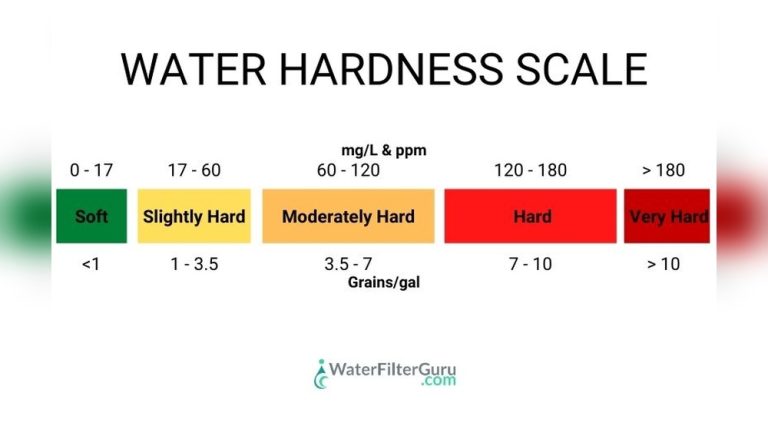
Water hardness is measured in grains per gallon (GPG). Test your water to find this number. The higher the GPG, the more capacity your softener needs. Softener capacity is rated in grains it can remove before regeneration. Match this rating to your hardness level and water use. This ensures your softener works efficiently and lasts longer.

Credit: www.softprowatersystems.com
Setting Your Water Softener
Setting your water softener correctly helps it work well and last longer. It saves salt and water while keeping your water soft. Each home uses different water amounts and has different hardness levels. Adjusting the settings fits your needs perfectly.
Simple changes can improve how your softener cleans your water. Let’s explore key settings you can adjust easily.
Adjusting Regeneration Frequency
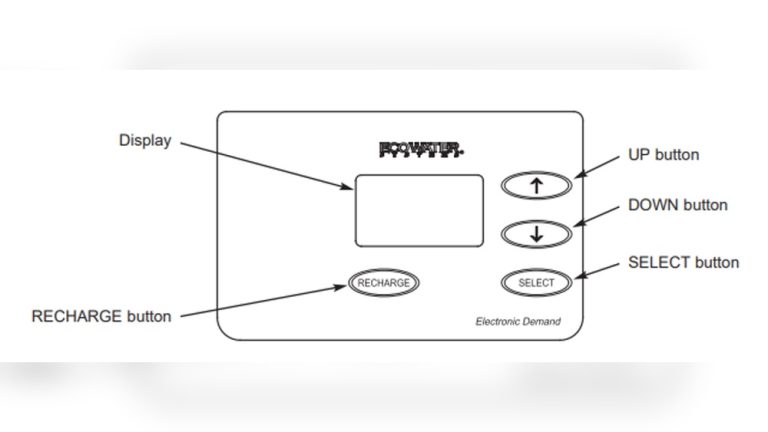
Regeneration clears the minerals trapped in the softener. Set it to run only when needed. Too often wastes salt and water. Too rare leaves hard water in your pipes. Check your water use and hardness to find the best schedule. Many softeners allow you to set days or gallons between cycles.
Programming Salt Dosage
The salt dose controls how much salt the softener uses each cycle. More salt means better softening but more waste. Less salt saves money but may reduce water quality. Start with the factory setting and adjust if your water feels hard or soft. Use the lowest salt setting that keeps water soft.
Balancing Efficiency And Performance
Balance saves resources and keeps water soft. Aim to use the least salt and water possible. Track your water softness and salt use over time. Make small changes to settings and watch results. A well-set softener gives smooth water and saves money on salt and water bills.
Signs Of Improper Capacity Settings
Setting the right capacity for your water softener is important. Incorrect settings can cause problems. Knowing the signs helps you fix issues early. It saves money and keeps your water clean. Watch for these common signs of improper capacity settings.
Hard Water Residue
Hard water leaves white spots on dishes and sinks. It also causes scale buildup on faucets and pipes. This residue means your water softener is not working well. The capacity might be too low to handle your water’s hardness.
Increased Salt Consumption
Your softener uses salt to clean itself. If it uses too much salt, the setting may be wrong. Too high a capacity setting makes the system clean too often. This wastes salt and raises your bills unnecessarily.
Water Softener Overworking
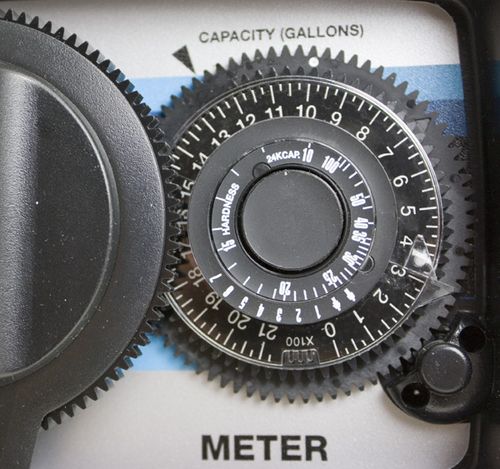
Overworking means the softener runs more than needed. It wears out parts faster and uses more energy. This often happens if the capacity is set too low. The system tries to soften more water than it can handle.
Credit: www.purewateroccasional.net
Maintaining Optimal Performance
Maintaining the optimal performance of your water softener is key to its long life and efficiency. Regular care helps the system work smoothly and keeps your water soft and clean. Small checks and simple cleaning tasks prevent bigger problems. A well-maintained system saves money and avoids water issues.
Regular System Checks
Check your water softener every month. Look for leaks or unusual noises. Ensure the salt level is enough for the system to work well. Watch for error messages on digital controls. Early detection stops costly repairs and downtime.
Cleaning And Replacing Components
Clean the brine tank once a year. Remove any salt buildup or residue. Replace the resin beads every few years for best results. Clean the filter screens often to avoid blockages. Keeping parts clean ensures soft water all the time.
Monitoring Water Quality
Test your water quality regularly. Check for hardness and other minerals. Use simple test kits or professional services. Tracking water quality helps adjust the softener settings. It guarantees the water stays gentle on pipes and skin.
Cost Savings Tips
Saving money on your water softener can be simple. Adjusting the capacity setting correctly helps reduce waste and lowers costs. Small changes in how you manage the system bring big savings over time.
Reducing Salt And Water Waste
Use only the amount of salt needed for your water hardness. Too much salt means extra waste and higher bills. Check the salt level regularly and refill carefully. Avoid overfilling the salt tank to save salt and water.
Scheduling Regeneration Smartly
Set the regeneration cycle based on your household water use. Regenerating too often wastes salt and water. Too rare regeneration can reduce water quality. Find the right balance to save resources and keep water soft.
Upgrading To Efficient Models
Newer water softeners use less salt and water. They adjust regeneration automatically, matching your needs. Investing in an efficient model lowers long-term costs. Look for models with high efficiency ratings for better savings.

Credit: www.reddit.com
Frequently Asked Questions
What Is Water Softener Capacity Setting?
Water softener capacity setting controls how much hardness the system can remove. It determines the amount of minerals like calcium and magnesium the softener can handle before regeneration.
How To Calculate Water Softener Capacity?
Calculate capacity by multiplying daily water usage by hardness level. This helps select a softener size that meets your household needs effectively.
Why Adjust Water Softener Capacity Setting?
Adjusting capacity ensures efficient mineral removal and water quality. It helps avoid waste and keeps the softener working optimally.
What Happens If Capacity Setting Is Too Low?
A low capacity setting causes frequent regenerations and reduces efficiency. It may increase salt use and wear out the system faster.
Conclusion
Choosing the right water softener capacity saves money and time. It helps your system work well and last longer. Too small a capacity wastes salt and energy. Too big means you pay more than needed. Check your water hardness and daily use before setting capacity.
This keeps your water soft and your home running smooth. Simple steps make a big difference in water softening. Keep these tips in mind for the best results.