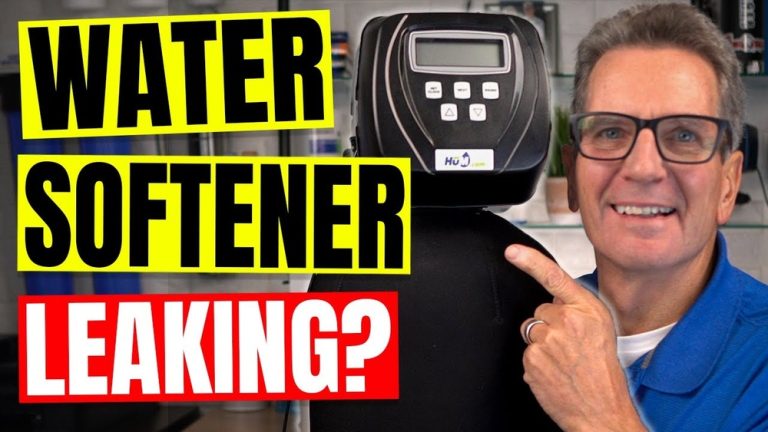

Is your water softener head leaking? You might think it’s just a small drip, but even a tiny leak can cause big problems for your home and wallet.
Leaks can lead to water damage, wasted water, and reduced efficiency of your softener. Don’t wait until the issue gets worse. You’ll discover why your water softener head is leaking and what simple steps you can take to fix it fast.
Keep reading to protect your home and save money before the leak takes control.

Credit: www.youtube.com
Common Causes Of Head Leaks
The water softener head is an important part of the system. It controls the flow of water and the regeneration process. A leak from the head can cause water damage and reduce the system’s efficiency. Understanding the common causes of head leaks helps in quick detection and repair.
Leaks often come from small, worn parts. These parts handle the water pressure and keep the system sealed. Over time, they wear out or break. This leads to water escaping from the head area.
Worn-out Seals And O-rings
Seals and O-rings keep water inside the softener head. They stop leaks by creating tight seals. These parts wear out from use and time. Hard water speeds up their damage. Cracked or dried seals cause water to drip.
Loose Or Damaged Connections
Connections join the head to pipes and valves. These must be tight and secure. Vibrations or poor installation can loosen them. Damaged threads or fittings also cause leaks. Tightening or replacing these parts stops the drip.
Cracked Or Corroded Head
The softener head can crack from stress or age. Corrosion from minerals in water also weakens it. Cracks let water escape under pressure. Replacing the head is necessary if damage is severe.
High Water Pressure Issues
High water pressure strains the softener head. It can push seals and joints beyond limits. Pressure above recommended levels causes leaks. Using a pressure regulator helps protect the system.
Tools Needed For Quick Repairs
Fixing a water softener head leak fast needs the right tools. Having these tools ready saves time and hassle. It helps you fix small leaks without waiting for a pro. Keep your water softener working well and stop water waste quickly.
Basic Hand Tools
Start with simple hand tools. A wrench is key to loosen and tighten fittings. Screwdrivers, both flat and Phillips, help remove covers and screws. Pliers grip small parts and pipes firmly. A bucket catches water that may drip. A flashlight helps see tight, dark spaces.
Replacement Parts To Have On Hand
Keep some spare parts nearby. O-rings and washers stop leaks around joints. A new valve or seal may be needed for bigger leaks. Tubing and connectors help replace old, cracked parts. These parts fit most water softener heads. Having them ready means quick fixes.
Safety Equipment
Safety matters during repairs. Gloves protect your hands from sharp edges and dirty water. Safety glasses shield your eyes from splashes. A towel or rag cleans up spills fast. Wear old clothes to avoid stains. Safety helps prevent accidents and keeps the job smooth.
Step-by-step Leak Fixes
Fixing a water softener head leak needs clear steps. Follow these to stop leaks fast and keep your system working well.
Shutting Off The Water Supply
First, turn off the water supply to the softener. This stops water flow and prevents more leaks. Find the main valve near the softener and close it tightly.
Draining The System
Next, drain water from the system. Open a faucet nearby to release pressure. Use the drain valve on the softener to empty water inside safely.
Inspecting The Head Assembly
Look closely at the head assembly for visible leaks. Check for loose parts or worn pieces. Clean dirt or buildup that can hide damage.
Replacing Seals And O-rings
Old seals and O-rings often cause leaks. Remove the head cover and take out worn seals. Fit new ones carefully for a tight seal.
Tightening Loose Connections
Check all pipe and fitting connections on the head. Use a wrench to tighten any loose joints. Avoid over-tightening to stop damage.
Addressing Cracks Or Damage
Cracks in the head need quick attention. Small cracks may patch temporarily with waterproof tape. Larger damage requires part replacement for safety.

Credit: www.youtube.com
Preventive Maintenance Tips
Preventive maintenance is key to stopping water softener head leaks. Regular care keeps your system working well. Small steps today can avoid costly repairs tomorrow. Follow these simple tips to protect your water softener.
Regular Inspection Schedule
Check your water softener head every month. Look for cracks, loose parts, or moisture. Early signs of leaks are easy to fix. Mark your calendar to keep inspections consistent. This habit helps catch problems before they grow.
Cleaning And Lubricating Parts
Clean the water softener head parts regularly. Remove dirt and salt buildup gently. Use a soft cloth and mild soap. Lubricate moving parts with food-grade silicone grease. This reduces wear and tear, preventing leaks.
Managing Water Pressure
Keep water pressure within recommended limits. High pressure strains the softener head seals. Use a pressure regulator if needed. Correct pressure extends the life of your system. It also stops leaks caused by stress.
Using Quality Replacement Components
Use original or high-quality parts for repairs. Cheap parts may not fit well or last long. Quality components ensure tight seals and smooth operation. Always replace worn parts promptly to avoid leaks.
When To Call A Professional
Knowing when to call a professional for a water softener head leak saves time and money. Small leaks can sometimes be fixed at home. But some problems need expert help. This section explains key signs and reasons to get a professional involved.
Signs Of Serious Damage
Leaks that keep growing show serious damage. Water pooling around the softener base is a red flag. Strange noises or constant dripping point to internal issues. If the water softener stops working properly, the head may be broken. These signs mean a quick repair is unlikely without help.
Complex Repairs Beyond Diy
Some water softener head problems need special tools. Replacing seals or valves can be tricky. Mistakes may cause bigger leaks or system failure. Professionals know how to handle parts safely and fix the root cause. Complex repairs require skill and experience to avoid damage.
Ensuring Warranty Compliance
Many water softeners come with a warranty. DIY repairs can void this protection. Professionals follow manufacturer rules and keep the warranty valid. Calling a licensed technician protects your rights and ensures quality work. This saves money on future repairs or replacements.
Credit: mortonwatersofteners.zendesk.com
Frequently Asked Questions
Why Is My Water Softener Head Leaking?
A leaking water softener head often results from worn seals or loose connections. Inspect the O-rings and tighten fittings. Regular maintenance prevents leaks and ensures efficient operation.
How Can I Fix A Leaking Water Softener Head?
Turn off the water supply and unplug the unit. Replace damaged seals or O-rings. Tighten all connections and check for cracks in the head. Seek professional help if leaks persist.
What Causes Water Softener Head Leaks?
Common causes include worn-out seals, loose fittings, cracked resin tanks, or high water pressure. Regular inspections and timely repairs help avoid leaks and water damage.
Can A Leaking Water Softener Head Damage My Home?
Yes, leaks can cause water damage to floors and walls. Ignoring leaks may lead to mold growth and costly repairs. Address leaks promptly to protect your home.
Conclusion
A leaking water softener head can cause many problems at home. Fixing the leak quickly saves water and avoids damage. Check seals and connections to find where the leak starts. Sometimes, a simple replacement part solves the issue. Regular care helps keep your water softener working well.
Don’t wait too long to address leaks. Clean water and a working softener mean better daily life. Small repairs today prevent bigger costs tomorrow. Stay alert and act fast for the best results.