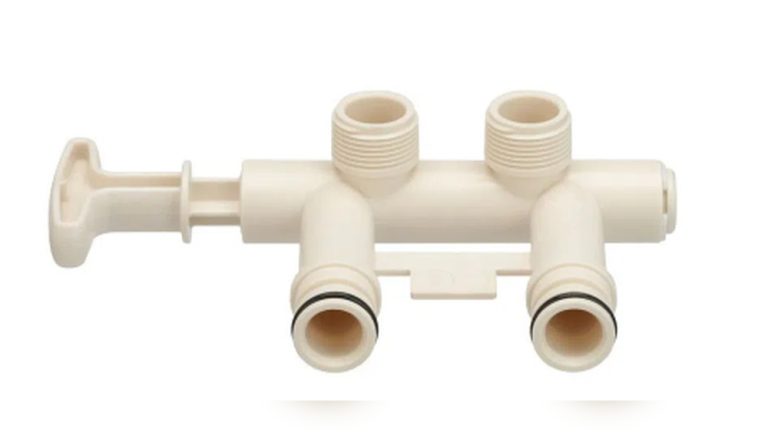

Is your Whirlpool water softener leaking and causing a mess? You’re not alone, and this problem can quickly turn from a minor drip into a costly headache.
Leaks not only waste water but can also damage your floors and reduce your softener’s effectiveness. But don’t worry—you’re about to learn exactly why this happens and how you can fix it before it gets worse. Keep reading to protect your home and get your water softener working like new again.
Common Causes Of Leaks
Leaks in Whirlpool water softeners can cause damage and waste water. Finding the cause helps fix the problem quickly. Some issues happen over time. Others come from wear or loose parts. Understanding common causes helps you spot leaks early.
Worn Out Seals And O-rings
Seals and O-rings keep water inside the softener. They stop leaks at connection points. Over time, these parts wear out or crack. This creates small gaps where water can escape. Replacing worn seals and O-rings often stops leaks fast.
Loose Connections
Connections link pipes and parts in the system. If these are loose, water may drip or spray out. Vibrations or movement can loosen them over time. Checking and tightening all connections helps prevent leaks.
Cracked Resin Tank
The resin tank holds special beads that soften water. If the tank cracks, water leaks out easily. Cracks may come from freezing or physical damage. A cracked tank usually needs replacement to stop leaks.
Faulty Valve Assembly
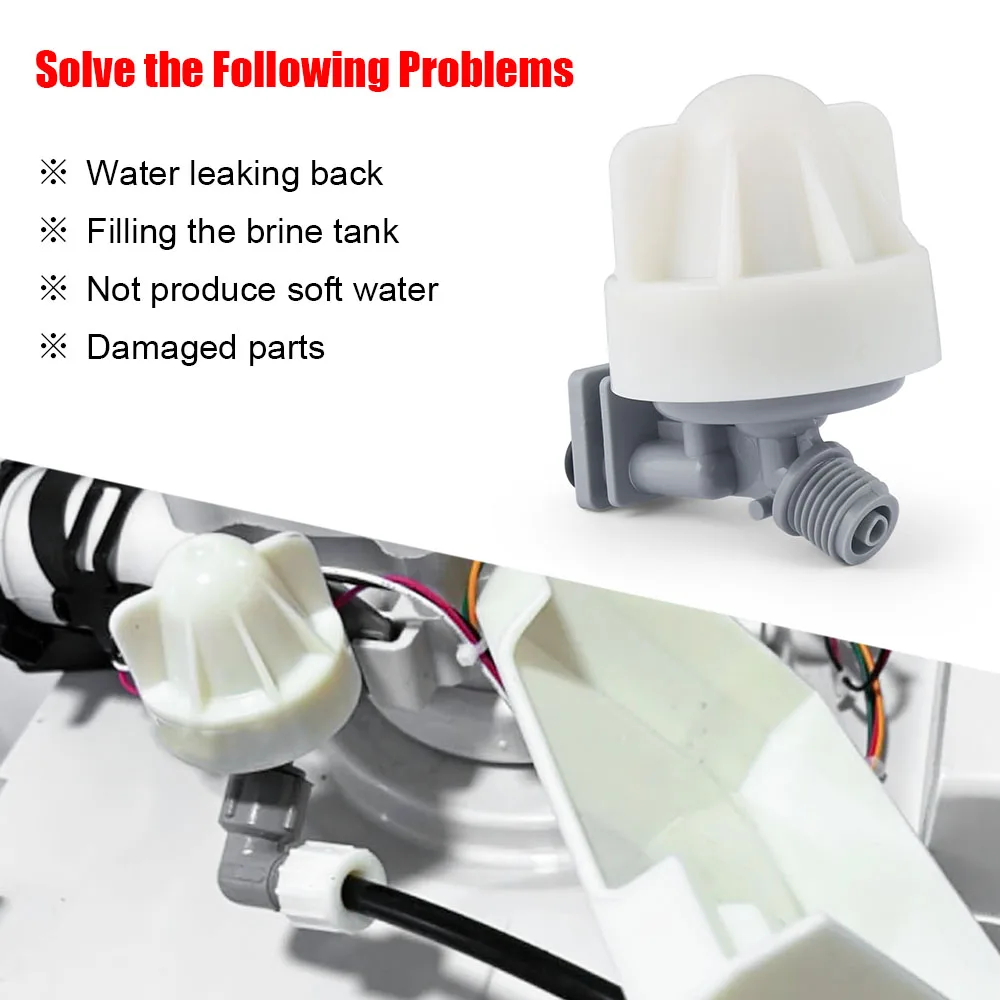
The valve assembly controls water flow inside the softener. Faulty valves can leak water or fail to close properly. Dirt or worn parts inside the valve cause problems. Cleaning or replacing the valve assembly fixes leaks here.
Credit: colonyglamping.com
Identifying Leak Sources
Identifying the source of a leak in your Whirlpool water softener is the first step to fixing it. Leaks can waste water and cause damage. Knowing where the leak comes from helps you act fast. Focus on three main parts: the brine tank, the resin tank, and the control valve. Each part can show signs of leaking in different ways. Check them carefully to find the problem.
Checking The Brine Tank
The brine tank holds salt and water for the softening process. Look for cracks or holes on the tank’s surface. Check the bottom and sides for wet spots or salt buildup. Inspect the drain line attached to the tank. Make sure it is tight and not broken. Loose or damaged parts here often cause leaks.
Inspecting The Resin Tank
The resin tank contains beads that soften water. Look for water pooling around its base. Check the tank for any cracks or worn areas. See if the connections at the top and bottom are secure. Leaks can happen if the tank seals wear out. Water stains or dampness near the tank show signs of trouble.
Examining The Control Valve
The control valve manages water flow in the system. Look closely at the valve for drips or moisture. Check the fittings and seals for tightness. Cracked or loose parts here can cause leaks. Also, listen for unusual sounds that might mean a leak inside. The control valve is a common leak source in water softeners.
Quick Fixes For Minor Leaks
Minor leaks in a Whirlpool water softener can cause water waste and damage. Fixing these leaks quickly helps save water and keeps the system working well. Many leaks come from simple issues that anyone can fix with basic tools.
Try these quick fixes to stop small leaks and avoid bigger problems later.
Tightening Loose Fittings
Loose fittings often cause minor leaks. Check all connections on your water softener. Use a wrench to gently tighten any loose nuts or bolts. Avoid overtightening, which can cause damage. Tightening fittings usually stops leaks fast and keeps water from dripping.
Replacing Seals And O-rings
Seals and O-rings wear out over time. These small parts stop water from leaking at joints. Turn off water supply before replacing them. Remove old seals carefully and install new ones of the same size. This simple step can fix leaks around valves and connections.
Cleaning Salt Bridges
Salt bridges form when salt clumps hard inside the tank. This can cause water to pool and leak. Break up the salt bridge using a broom handle or similar tool. Remove the clumped salt and clean the tank. Regular cleaning prevents leaks and keeps your softener working well.

Credit: colegiosiglan.com.br
When To Replace Parts
Knowing when to replace parts of your Whirlpool water softener helps avoid leaks and damage. Parts wear out over time and can cause issues if ignored. Early detection saves money and prevents bigger problems.
Check your unit regularly. Watch for unusual signs. Replace parts at the right time for smooth operation.
Signs Of Resin Tank Damage
The resin tank holds tiny beads that soften water. Damage here affects water quality and causes leaks. Look for cracks or rust on the tank surface. A swollen or misshapen tank also signals trouble.
Water that feels hard or has strange taste means resin beads may be failing. If leaks appear near the tank base, it likely needs replacement. Early action avoids water damage to your home.
Valve Replacement Indicators
The valve controls water flow and regeneration cycles. Faulty valves cause leaks and poor softening. Listen for unusual noises during operation. Stuck or slow regeneration points to valve issues.
Leaks from the valve area or constant water running indicate replacement time. If controls do not respond or settings reset often, the valve may be faulty. Timely replacement keeps your softener running well.
Preventive Maintenance Tips
Preventive maintenance helps avoid leaks in your Whirlpool water softener. It keeps the system running smoothly. Simple care steps save you money and time. Follow these tips to protect your softener and home.
Regular Cleaning Schedule
Clean your water softener regularly. Remove salt buildup inside the tank. This stops clogs and leaks. Wipe down the exterior to keep parts dry. Clean the resin beads once every few months. This keeps water flowing well and prevents damage.
Using The Right Salt Type
Use the salt type recommended by Whirlpool. Different salts affect the softener’s parts differently. High-purity salt reduces residue and clogs. Avoid rock salt that can cause buildup. Proper salt helps the system work better and last longer.
Routine Inspections
Check your water softener often. Look for cracks, leaks, or worn parts. Inspect hoses and connections for tightness. Catching small issues early prevents bigger problems. Test the water hardness to confirm the softener works well. Fix any faults quickly to stop leaks.

Credit: peterloon.org
When To Call A Professional
Knowing when to call a professional for your Whirlpool water softener leak saves time and money. Small leaks might seem easy to fix, but some problems need expert care. Calling a technician can prevent bigger damage and keep your system working well.
Complex Leak Issues
Leaks inside the softener’s tank or near electrical parts need expert help. Professionals have tools to find hidden leaks. They can fix issues without causing more damage. Complex leaks can cause water damage or system failure. Do not try to fix these problems alone.
Warranty And Service Support
Calling a professional helps protect your warranty. Whirlpool may require repairs by certified technicians. DIY fixes might void your warranty and lead to extra costs. Service support ensures proper repairs and parts replacement. Trusting experts keeps your water softener safe and backed by warranty.
Frequently Asked Questions
Why Is My Whirlpool Water Softener Leaking?
Leaks often occur due to worn-out seals, loose fittings, or cracked tanks. Check these parts and tighten or replace them as needed.
How Can I Fix A Leaking Water Softener Valve?
Inspect the valve for damage or debris. Clean or replace faulty components to stop the leak and ensure proper function.
Does Water Softener Salt Cause Leaks In Whirlpool Units?
Salt itself doesn’t cause leaks but can lead to clogging or corrosion that causes leaks. Regular maintenance prevents these issues.
When Should I Call A Professional For A Leaking Softener?
If leaks persist after basic fixes or involve complex parts, contact a professional to avoid further damage and ensure safety.
Conclusion
A leaking Whirlpool water softener needs quick attention. Small leaks can cause big problems over time. Check all connections and seals carefully. Tighten or replace parts if you spot damage. Regular maintenance helps keep your softener leak-free. Clean the system to avoid clogs and wear.
Watch for leaks often to protect your home. Fix problems early to save money and stress. A working softener means better water quality every day. Stay alert and care for your appliance well.