
Have you noticed your water pressure dropping suddenly? It’s frustrating when your shower feels weak or your faucets barely trickle.
You might not realize it, but a clogged water softener could be the hidden culprit behind this problem. If your water softener isn’t working right, it can block the flow and leave you wondering why your water pressure is so low.
Keep reading to find out how a clogged water softener affects your water flow and what you can do to fix it quickly. This simple insight could save you time, money, and a lot of hassle.
How Water Softeners Work
A water softener changes hard water into soft water. It removes minerals like calcium and magnesium. These minerals cause water to feel rough and can build up in pipes.
The softener has a tank filled with small beads called resin. Hard water passes through this tank. The beads catch the hard minerals and hold them.
To clean the beads, the system uses salt water from a brine tank. This salt water flushes out the minerals. After this, the softener is ready to work again.
| Component | Function |
|---|---|
| Resin Tank | Holds beads that trap hard minerals |
| Brine Tank | Stores salt water to clean the resin beads |
| Control Valve | Manages water flow and regeneration cycle |

Credit: www.thompsonfamilyplumbing.com
Signs Of A Clogged Water Softener
Reduced water flow is a clear sign of a clogged water softener. Water may drip slowly from faucets or showerheads. This happens because the softener’s internal parts get blocked by minerals or dirt.
Unusual noises like grinding or rattling can come from the softener. These sounds show that the machine struggles to work properly. The clog causes pressure to build up inside.
Water quality changes may also occur. The water might taste salty or look cloudy. This means the softener is not cleaning water well due to the clog. Spotting these signs early helps fix the problem fast.
Causes Of Clogging In Water Softeners
Mineral buildup happens when hard water leaves behind calcium and magnesium. These minerals stick inside the softener and block water flow. Over time, this causes low water pressure.
Salt bridges form when salt in the brine tank hardens into a crust. This crust stops salt from mixing with water. The softener can’t clean properly, leading to clogged parts and weak water flow.
Resin bead issues occur when the beads inside the softener get dirty or break. These beads help remove minerals from water. If they fail, the softener works poorly and water pressure drops.
Effects Of Clogging On Water Pressure
Clogging in a water softener blocks water flow inside the unit. This causes flow restriction, which lowers water pressure in the house. The water struggles to move through the softener parts.
Some areas inside the softener can cause pressure drop points. These are spots where water slows down a lot. Dirt, salt buildup, or debris often block these points.
Flow becomes uneven, making taps and showers feel weak. Appliances that use water may not work well.
| Cause | Effect on Water Pressure |
|---|---|
| Salt Buildup | Blocks flow, lowers pressure |
| Dirt and Debris | Clogs pipes, creates pressure drops |
| Worn Parts | Reduces water flow efficiency |
Diagnosing Low Water Pressure
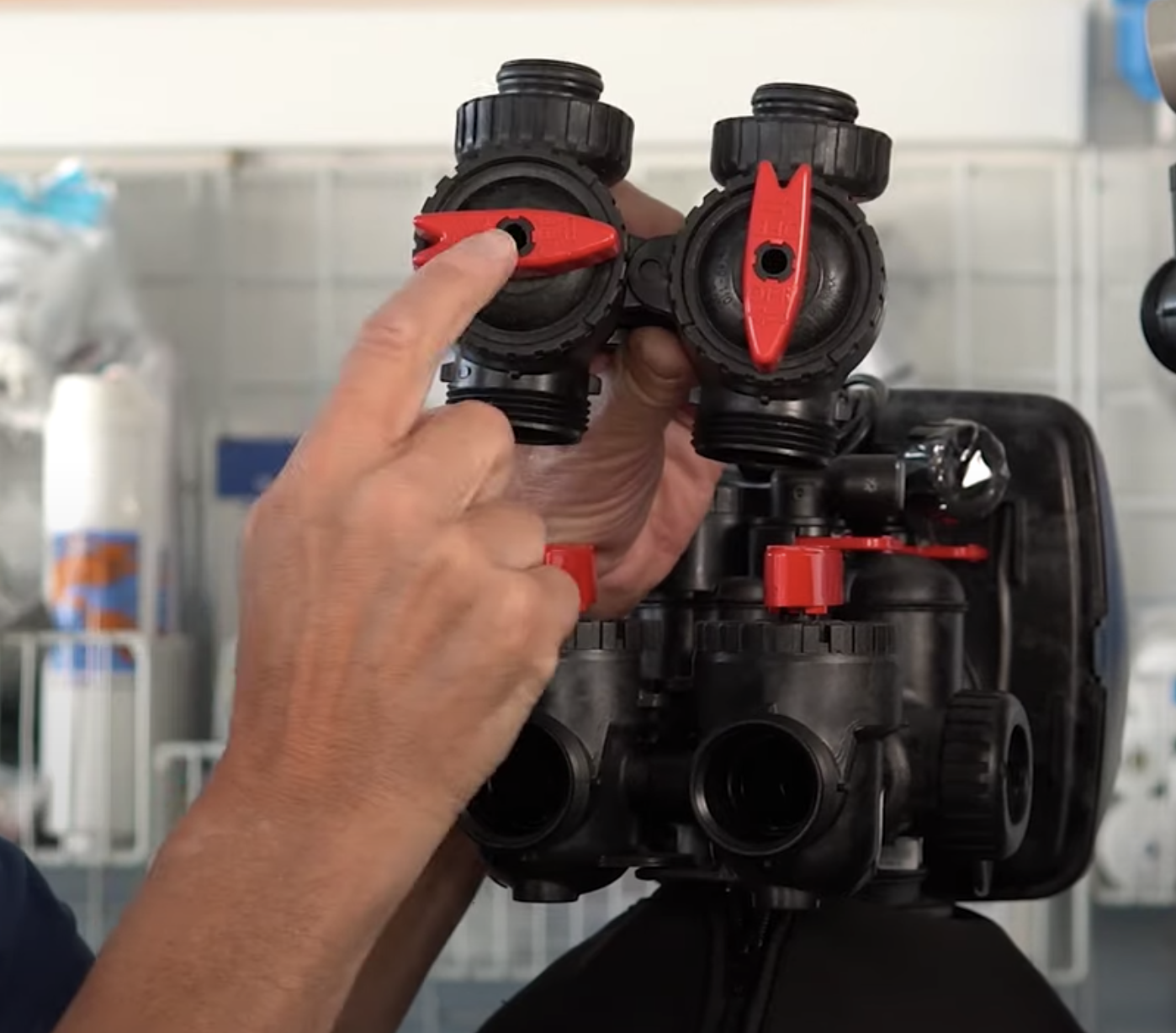
A clogged water softener can cause low water pressure. Salt buildup or sediment blocks water flow inside the softener. This blockage lowers the water pressure in your home. Checking the softener’s brine tank and resin beads helps find clogs.
Inspect the softener settings and ensure it is working right. Clean or replace parts if needed. Sometimes, softeners need routine maintenance to avoid pressure drops.
The plumbing system also affects water pressure. Look for leaks, broken pipes, or clogged pipes. Old pipes may have rust or mineral buildup, slowing water flow.
| Step | What to Check | Possible Problem |
|---|---|---|
| 1 | Water Softener Brine Tank | Salt or sediment buildup |
| 2 | Resin Beads | Clogged or worn out |
| 3 | Softener Settings | Wrong cycle or malfunction |
| 4 | Pipes and Valves | Leaks, rust, or blockages |
Credit: waterstoremidland.com
Fixing A Clogged Water Softener
Cleaning the water softener is key to fix clogged parts. Remove dirt and salt build-up inside the tank. Use a soft brush and mild soap for cleaning. Rinse well to avoid soap residue.
Sometimes, parts need replacing. Check the resin beads and valves. Old or broken parts can block water flow. Replace worn-out pieces to restore pressure.
| Preventive Measures | Details |
|---|---|
| Regular Cleaning | Clean the tank every 3-6 months to avoid clogs. |
| Check Salt Levels | Keep salt at the right level to prevent build-up. |
| Inspect Parts | Look at valves and resin beads for damage or wear. |
| Flush System | Flush the softener to clear any blocked debris. |
When To Call A Professional
Some problems with water softeners are hard to fix alone. Complex issues like clogged valves or broken parts need expert help. A professional can check the whole system safely and find hidden problems.
Safety concerns matter a lot. Water softeners use salt and electricity. Wrong handling may cause damage or injury. Experts know how to work without risks.
Calling a professional saves time and keeps your home safe. They use special tools and have the right skills for the job. Don’t wait too long if water pressure stays low after basic cleaning.
Credit: bfplumbingbayarea.com
Frequently Asked Questions
Can A Clogged Water Softener Reduce Water Pressure?
Yes, a clogged water softener can restrict water flow. This causes noticeable low water pressure throughout your home plumbing system.
How Do I Know If My Softener Is Clogged?
Look for slow water flow and reduced water pressure. Also, check for salt buildup or unusual noises in the softener.
Can Cleaning The Water Softener Restore Pressure?
Cleaning or flushing the softener removes blockages. This often restores normal water pressure quickly and improves water quality.
How Often Should I Maintain My Water Softener?
Regular maintenance every 6-12 months helps prevent clogs. It keeps water pressure steady and extends the softener’s lifespan.
Conclusion
A clogged water softener can reduce water flow in your home. Dirt and minerals block pipes and valves, causing low pressure. Regular cleaning helps keep your softener working well. Check your system often to avoid pressure problems. Fixing clogs improves water flow and saves time.
Clean softeners mean better water pressure for daily use. Keep an eye on your softener for smooth water flow. Don’t let blockages slow down your water supply. Simple maintenance can prevent low water pressure issues.