

Are you tired of dealing with hard water problems like stains, dry skin, or clogged pipes? Choosing the right size water softener can solve these issues for you.
But how do you know what size is best for your home? Picking the wrong size means wasting money or not fixing the problem completely. You’ll discover simple steps to find the perfect water softener size that fits your needs.
Think about your household size and water use. Check the hardness level in your water supply. It ensures soft water for cleaning, cooking, and bathing. Good water softener size means better comfort and fewer problems.
How Water Softener Size Affects Performance
Choosing the right size water softener plays a big role in how well it works. A softener too small for your household may struggle with hard water. One that is too large might waste salt and water.
Water softeners remove minerals like calcium and magnesium. These minerals cause scale buildup and damage pipes.
The size affects how much water the unit can treat before it needs cleaning. The right size keeps water soft without wasting resources.
> Capacity And Efficiency
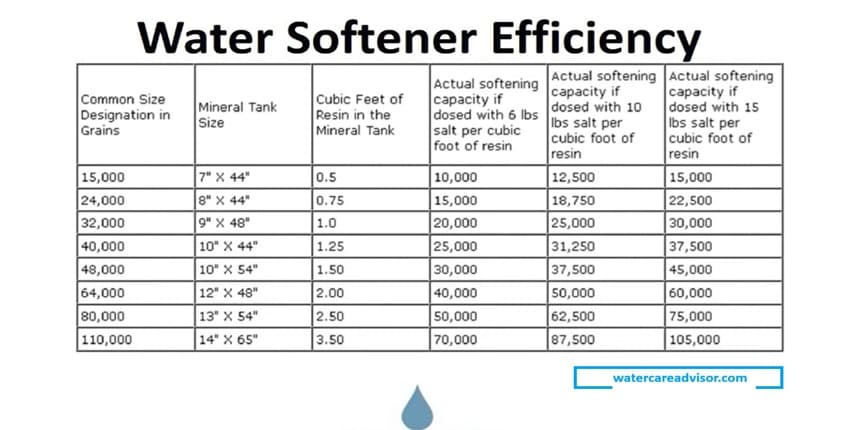
Capacity means how much hard water the softener can treat. It depends on grain rating, which measures hardness level removal. Larger capacity units handle more water before regeneration. This means fewer interruptions and better efficiency.
Choosing a softener with proper capacity saves salt and water. A small softener runs out quickly and regenerates often. This wastes salt and lowers efficiency. A well-sized unit balances capacity with daily water use.
> Regeneration Frequency
Regeneration is the cleaning process that restores softening power. Size affects how often this happens. Small units regenerate more often, using more salt and water.
With a bigger softener, regeneration happens less often. This reduces salt and water waste. Less frequent regeneration means the system runs smoothly. It also extends the life of the softener parts.
Factors Influencing calculate water softener size
Choosing the right size water softener depends on several key factors. Getting the size right ensures efficient softening and longer equipment life. Let’s explore the main factors that influence water softener size.
#1: Household Water Usage
Water usage varies by household. It depends on daily activities like cooking, cleaning, and bathing.
More water used means a larger softener is needed. Measuring your average daily water use helps decide the size. You can find this in your water bill or use a water meter.
#2: Water Hardness Level
Water hardness means how many minerals are in your water. Hard water has more calcium and magnesium.
The harder the water, the bigger the softener should be.
Testing water hardness shows how much mineral removal is needed. This test is simple and usually done with a kit or by a professional.
#3: water softener size per person
The number of people in your home affects water use. More occupants usually mean more water used every day. Each person adds to the total water softened.
Knowing your household size helps pick a softener that handles the demand. This prevents the softener from running out of capacity too soon.
water softener size calculator
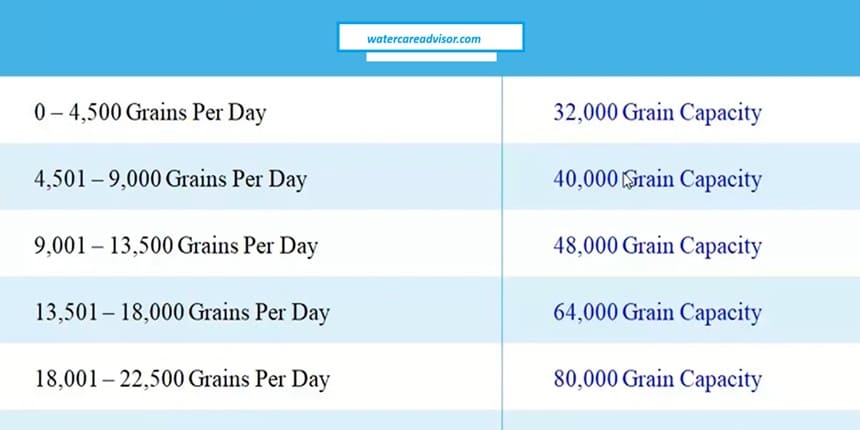
Calculating the right water softener size is key for effective water treatment.
Too small, and the system works overtime. Too large wastes money and space.
Accurate sizing ensures soft water supply meets household needs without interruptions. Follow these steps to find your ideal water softener size.
1. Measuring Water Hardness
Water hardness is the amount of minerals like calcium and magnesium in water. Measure hardness using a test kit or check your water report.
Results show grains per gallon (gpg) or parts per million (ppm).
Higher numbers mean harder water and need a larger softener.
2. Estimating Daily Water Consumption
Estimate how much water your home uses daily. Count family members and multiply by average use per person.
A person uses about 75 gallons daily. Multiply number of people by 75 to get total daily water use.
This helps decide how much soft water you need each day.
3. Determining Grain Capacity
Grain capacity shows how many hardness grains a softener removes before regeneration. Multiply daily water use by hardness level. The result is the grains removed daily.
Choose a softener with capacity at least 20% higher than this number.
This ensures efficient operation and longer time between regenerations.
Common water softener size chart And Applications
Choosing the right size water softener helps save money and ensures soft water. Different homes need different sizes based on water use and hardness levels.
Small Systems For Apartments
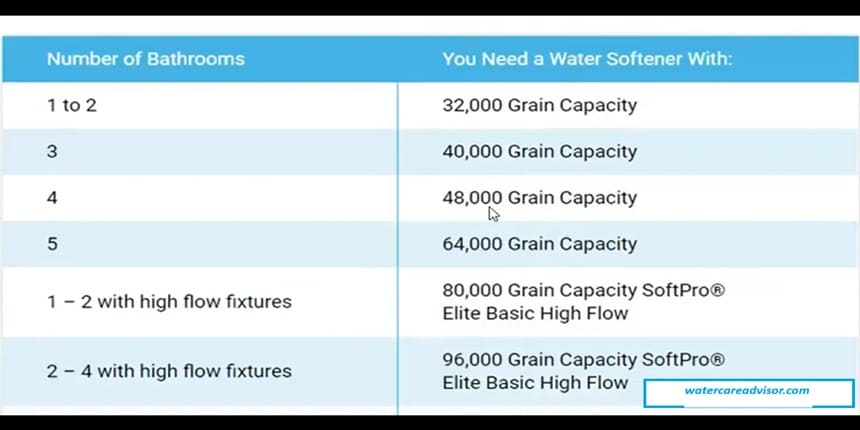
Small water softeners suit apartments and single users. They usually handle around 20,000 to 30,000 grains of hardness.
These systems fit well in tight spaces. They need less salt and water to run. Perfect for low water use and softening needs.
Medium Systems For Families
Medium systems work well for families of three to five members. These units typically handle 30,000 to 48,000 grains.
They provide enough capacity for daily showers, laundry, and dishwashing. Medium softeners balance efficiency and size. Good for average water hardness and use.
Large Systems For Big Households
Large water softeners serve homes with six or more people. They manage over 48,000 grains of hardness.
These systems handle heavy water use smoothly. Ideal for big households with hard water problems. Large softeners need more space but reduce salt refills.
Types Of Water Softeners And Their Sizes
Choosing the right water softener depends on the type of system and its size. Different water softeners use various methods to treat hard water. Each type comes in sizes suited for different household needs.
#1: Salt-based Softener Sizes
Salt-based water softeners remove minerals using ion exchange. They come in sizes based on grain capacity.
Small units handle about 16,000 to 32,000 grains.
Larger models can process 48,000 to 64,000 grains or more.
The size needed depends on your water hardness and daily water use. These softeners require salt refills to work effectively.
#2: Salt-free Softener Options
Salt-free softeners condition water without removing minerals. They use special filters or chemical processes. Sizes vary from small systems for single faucets to whole-house units.
These options suit homes with moderate hardness. Salt-free systems need less maintenance and no salt. Their size depends on flow rate and water demand.
#3: Magnetic And Electronic Alternatives
Magnetic and electronic water softeners alter mineral structure using magnetic fields. These devices are compact and easy to install.
Their size does not depend on water hardness but on pipe diameter. They work best as supplements to other systems. These alternatives do not remove minerals but reduce scale buildup.
Installation Location Considerations water softener sizing
Choosing the right water softener size depends on where you will install it. Space and location affect the ease of installation and system performance. Planning these details early saves time and effort.
Indoor Vs water softener Outdoor Installation
Water softeners can go indoors or outdoors. Indoor placement protects the system from weather damage. It keeps the unit safe from freezing temperatures in winter. Basements, laundry rooms, or utility closets work well.
Outdoor placement suits homes with limited indoor space. The system needs shelter from rain and sun. Use a protective cover or small enclosure. Outdoor setups require extra care to avoid weather harm.
Space Requirements
Water softeners need enough room for installation and maintenance. Check the unit’s dimensions before buying. Leave space around the system for easy access.
Allow at least 2 feet of clearance on all sides.
This space helps with filter changes and repairs. Also, place the system near the main water line for better flow.
Maintenance Needs Based On water softener system size
Choosing the right size water softener affects how often you maintain it. Larger units hold more resin and salt. They treat more water before needing attention. Smaller units need care more often.
Salt Refilling Frequency
Salt is key for softening water. Bigger softeners use salt slower. They need refilling less often, about once a month or longer. Smaller softeners use salt faster.
You may refill salt every two weeks. Check the salt level regularly. Low salt means the softener stops working properly. Keep the salt tank at least half full.
Filter Replacement
Filters protect the softener and water quality. Larger systems often have bigger filters. They last longer before needing replacement. Small systems’ filters clog faster.
Replace filters every 3 to 6 months, depending on size and water use.
Regular filter changes keep water clean and system efficient. Never skip this step for the best results.
Budgeting For water softener Right Size
Choosing the right size water softener means balancing your budget carefully. You want a system that fits your home’s needs without wasting money. Understanding costs and savings helps pick the best size for your budget.
Cost Vs Capacity
Water softeners come in many sizes and prices. Larger systems cost more but handle more water. Smaller units are cheaper but may not last long in big homes. Think about how much water your family uses daily.
A system too small will need frequent refills or repairs. Too large, and you pay for unused capacity. Find a size that matches your water use and budget well.
Long-term Savings
A bigger water softener may save money over time. It reduces mineral buildup in pipes and appliances. This lowers repair and replacement costs. Soft water also helps soap and detergent work better.
The right size stops waste and protects your home. Spending a bit more now can mean fewer expenses later.
Tips For Choosing The Best Water Softener Size
Choosing the right size water softener is important for your home and budget. A softener that is too small won’t treat all your water. One that is too big costs more than needed. Follow these tips to pick the best size for your needs.
#1: Consulting Professionals
Experts can measure your water hardness and daily water use. They know how to match these with softener sizes. A professional visit helps avoid mistakes and saves money. Trust their advice for a perfect fit.
#2: Reading Product Specifications
Check the softener’s capacity and flow rate on its label. Capacity shows how many grains of hardness it can remove. Flow rate tells how much water it treats per minute. Match these numbers with your household needs.
#3: Considering Future Needs
Think about family growth or new appliances using water. These changes increase your water use over time. Choose a softener that can handle a bit more than today’s demand. This prevents early replacement or upgrades.
[…] This can cause damage over time and raise energy bills. Recognizing these indicators helps decide if a water softener is needed. […]
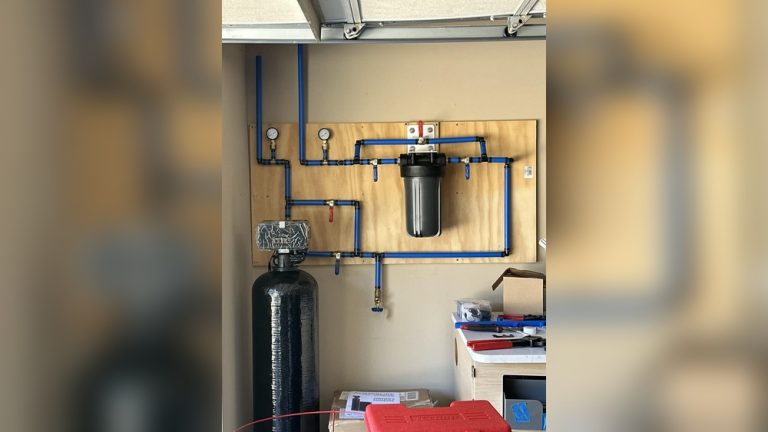
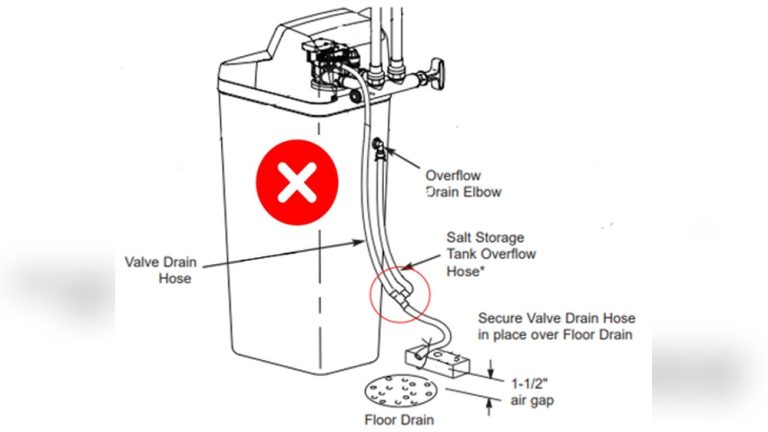
[…] Water softeners need good drainage to work right. Poor drainage causes water to back up. This can lead to leaks or damage. Make sure the drain pipe is clear and sloped downward. […]