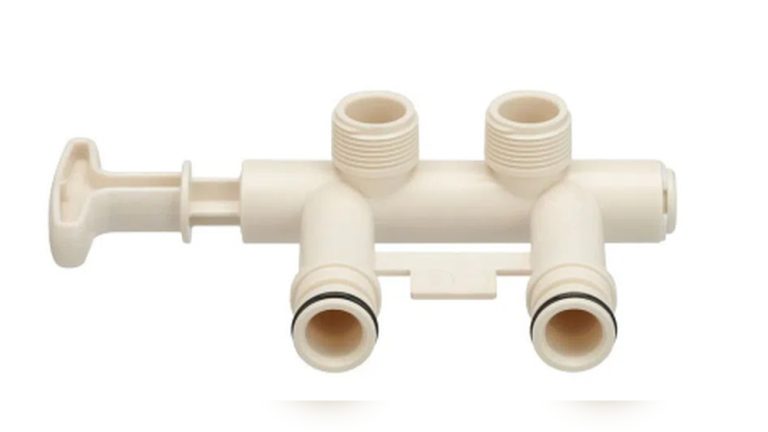

Are you facing issues with your Whirlpool water softener? You’re not alone.
When your water softener stops working properly, it can affect everything from your skin to your appliances. But don’t worry—understanding the common problems and how to fix them can save you time and money. You’ll discover the most frequent Whirlpool water softener problems and easy solutions you can try right now.
Keep reading to get your system back to perfect working order.

Credit: whirlpoolwatersolutions.com
Common Whirlpool Softener Issues
Whirlpool water softeners help reduce hard water problems at home. They improve water quality by removing minerals like calcium and magnesium. Despite their benefits, these softeners may face some common issues. Understanding these problems helps keep your system running smoothly.
Salt Bridging
Salt bridging happens when a hard crust forms in the brine tank. This crust blocks salt from dissolving in water. As a result, the softener cannot regenerate properly. The water remains hard and may cause damage to pipes and appliances.
Resin Bead Problems
The resin beads inside the softener trap hard minerals. Over time, these beads can become dirty or worn out. Dirty beads reduce the system’s ability to soften water. Worn beads may need replacement to restore performance.
Control Valve Malfunctions
The control valve manages the softener’s cycles and water flow. Malfunctions can cause incorrect regeneration or stop the system. Common causes include electrical issues or mechanical wear. Regular checks can catch valve problems early.
Water Pressure Drops
A softener can cause lower water pressure in your home. Clogged resin beads or valves often cause this drop. Reduced pressure affects showers, faucets, and appliances. Cleaning or repairing parts usually fixes this problem.
Unusual Noises
Strange sounds from the softener may signal trouble. Grinding, banging, or hissing noises are common warnings. These noises could indicate motor or valve problems. Prompt attention prevents further damage and costly repairs.
Identifying The Root Causes
Identifying the root causes of Whirlpool water softener problems helps fix them fast. Knowing what triggers these issues stops repeated troubles. The water softener may not work well due to many reasons. Checking each cause carefully leads to a clear solution.
Salt Quality And Usage
Poor salt quality harms water softener function. Using salt with impurities clogs the system. Not adding enough salt causes weak softening. Overfilling salt tanks creates salt bridges. These bridges stop salt from dissolving correctly.
Hard Water Impact
Very hard water strains the softener system. It builds up minerals inside the resin tank. This buildup reduces softening ability. The system works harder and wears out faster. Regular cleaning prevents mineral deposits from blocking parts.
Electrical And Timer Issues
Faulty electrical parts cause softener failures. Timers control regeneration cycles. If timers fail, cycles stop or run wrong. Power surges can damage control boards. Checking wiring and timers avoids unexpected breakdowns.
Clogged Injector Or Valve
Injectors and valves move water and salt. Dirt and minerals clog these parts often. Clogs lower water flow and soften efficiency. Cleaning injectors and valves restores normal function. Regular maintenance keeps these parts clear.
Incorrect Settings
Wrong settings reduce water softener performance. Setting hardness too low leaves hard water. Too high uses excess salt and water. Regeneration frequency set incorrectly wastes resources. Proper settings match water hardness and usage.
Quick Fixes For Common Problems
Whirlpool water softeners may face small problems over time. Many issues can be fixed quickly at home. These fixes save time and avoid costly repairs. Follow these easy steps to keep your softener working well.
Breaking Salt Bridges
Salt bridges form when salt hardens inside the tank. This stops water from dissolving salt properly. Use a broom handle or stick to gently break the salt crust. Be careful not to damage the tank. After breaking the bridge, remove loose salt pieces. This helps the softener work efficiently again.
Cleaning The Resin Tank
The resin tank holds tiny beads that soften water. Over time, beads get dirty or clogged. Clean the tank by adding a resin cleaner. Follow the product instructions carefully. This improves water flow and softening power. Regular cleaning extends the life of your softener.
Resetting The Control Valve
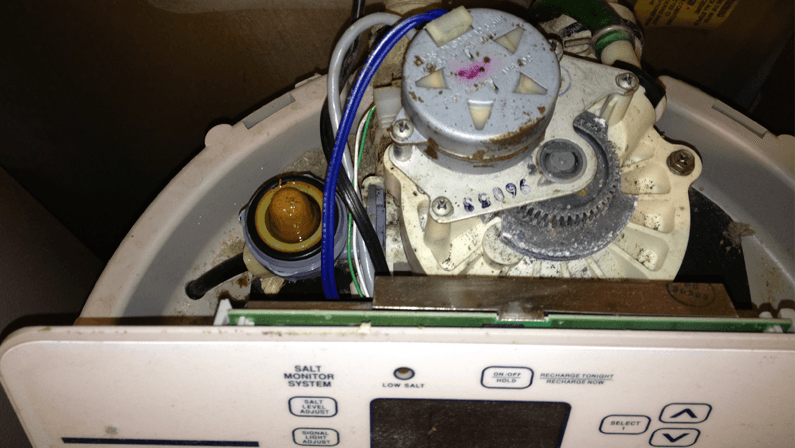
The control valve manages water flow and regeneration cycles. Sometimes it needs a reset to fix errors. Find the reset button or switch on the valve. Press and hold it for a few seconds. This resets the system and clears minor glitches. The softener should start working normally again.
Adjusting Water Pressure
Low water pressure can cause softener problems. Check your home’s water pressure using a gauge. The softener needs pressure between 20 and 100 psi. Adjust the main water valve to increase or decrease pressure. Proper pressure helps the softener work smoothly.
Lubricating Moving Parts
Moving parts in the softener can dry out or stick. Use a silicone-based lubricant to oil these parts. Apply lubricant on the control valve and other joints. This reduces wear and keeps the system running quietly. Regular lubrication prevents future mechanical issues.
Credit: www.premierwatermn.com
Advanced Repairs And Maintenance
Advanced repairs and maintenance keep your Whirlpool water softener working well. These tasks go beyond basic cleaning and salt refills. They ensure the system runs smoothly for years. Proper care can prevent costly breakdowns and improve water quality.
Replacing Resin Beads
Resin beads help remove hardness from water. Over time, they get worn out or clogged. Replacing these beads restores softening power. This repair requires careful removal and installation. New beads improve water softness and system efficiency.
Fixing Or Replacing Valves
Valves control water flow inside the softener. Faulty valves cause leaks or poor water flow. Fixing minor valve issues saves money. Severe problems need valve replacement. Proper valve function ensures smooth operation and no water waste.
Electrical Component Checks
Electrical parts control the softener’s timing and cycles. Faulty wires or timers cause system errors. Regular checks catch electrical problems early. Repairing or replacing parts keeps the system reliable. Safe electrical work prevents damage and hazards.
Professional Regeneration Cycles
Regeneration cleans the resin beads using salt brine. Professionals set correct timing and salt levels. Proper cycles maintain softener performance. Incorrect regeneration wastes salt and reduces efficiency. Expert service ensures optimal water softening.
Routine System Inspections
Routine inspections find issues before they get worse. Checking all parts helps maintain peak condition. Inspections include resin, valves, electronics, and salt levels. Early fixes extend system life and save money. Regular care keeps your water soft and clean.
Preventive Tips For Longevity
Keeping your Whirlpool water softener in good shape helps avoid common problems. Simple steps can extend the life of your system. Small efforts today save time and money later. Regular care keeps water soft and system parts working well.
Using High-quality Salt
Choose salt made for water softeners. Pure salt reduces buildup inside the tank. Avoid salt with dirt or impurities. Using good salt helps the system work smoothly. It also lowers repair needs and extends the softener’s life.
Regular Cleaning Schedules
Clean the brine tank every few months. Remove any salt bridges or sludge. Clean parts prevent clogs and corrosion. A clean system runs more efficiently. Set reminders to keep cleaning on track.
Monitoring Water Hardness
Test water hardness regularly. Knowing hardness levels helps adjust settings. Proper adjustments save salt and water. It also stops the system from overworking. Testing is simple and cost-effective.
Proper System Settings
Set the softener according to your water hardness. Use the manual or instructions for help. Correct settings avoid waste and damage. Check settings after power outages or changes. This keeps the system balanced and efficient.
Seasonal Maintenance
Perform extra checks during seasonal changes. Inspect for leaks or wear after winter or summer. Replace worn parts promptly. Seasonal care prevents sudden failures. It keeps the system ready all year.

Credit: www.youtube.com
When To Call A Professional
Knowing when to call a professional for Whirlpool water softener problems can save time and money. Some issues require expert help to fix safely and correctly. Understanding key signs helps you decide when to stop DIY attempts.
Persistent Malfunctions
Problems that keep coming back need professional attention. If your water softener stops working after resets, it may have deeper faults. Experts can diagnose and repair these recurring issues properly.
Electrical Repairs
Electrical components in water softeners are tricky and dangerous. Faulty wiring or damaged control boards require a trained technician. Avoid risks by leaving electrical repairs to professionals.
Complex Valve Issues
Valves control water flow and salt usage in the softener. If valves stick or leak, fixing them can be complicated. Professionals have tools and knowledge to repair or replace valves correctly.
Warranty Considerations
Attempting repairs yourself may void your Whirlpool water softener warranty. Professional service keeps the warranty valid and protects your investment. Always check warranty terms before any repair.
Safety Precautions
Water softener repairs involve water, electricity, and chemicals. Mistakes can cause harm or damage your home. Call a professional to ensure repairs follow all safety rules and standards.
Frequently Asked Questions
Why Is My Whirlpool Water Softener Not Regenerating?
Your Whirlpool water softener may not regenerate due to a timer issue or low salt levels. Check the timer settings and refill salt regularly. Also, inspect the brine tank for blockages that can prevent proper regeneration.
What Causes Whirlpool Water Softener Salt Bridging?
Salt bridging occurs when salt forms a hard crust in the brine tank. High humidity or using the wrong salt type can cause it. Break the crust carefully to restore normal operation and prevent future bridging by using recommended salt.
How To Fix Whirlpool Water Softener Low Water Pressure?
Low water pressure often results from clogged resin beds or dirty filters. Clean or replace the filters and backwash the resin bed. Regular maintenance helps maintain optimal water flow and softener efficiency.
Why Is My Whirlpool Water Softener Leaking Water?
Leaks usually happen due to damaged seals, cracked tanks, or loose fittings. Inspect all connections and replace faulty parts. Tighten fittings and ensure the tank is free from cracks to stop leaks quickly.
Conclusion
Whirlpool water softeners can face some common problems. These issues may affect water quality and machine performance. Regular maintenance helps keep the system working well. Simple fixes often solve most problems quickly. Knowing what to check saves time and money.
Proper care extends the life of your softener. Stay alert to unusual signs like noises or poor water flow. Taking action early avoids bigger repairs later. A smooth-running water softener makes daily life easier. Keep your water softener in good shape for best results.