
Is your water softener overflowing and causing a mess? This problem can be frustrating and confusing, especially when you rely on your system every day.
You might wonder why it’s happening and how to fix it quickly before damage occurs. You’ll discover the common causes behind a water softener overflow and simple steps you can take to solve the issue. Keep reading to protect your home and keep your water softener working smoothly.
Common Causes Of Overflow
Water softener overflow is a common issue that many homeowners face. It can cause water damage and waste salt and water. Understanding the causes helps in fixing the problem quickly. Several reasons can lead to overflow, each linked to specific parts of the water softener.
Clogged Drain Line
The drain line carries wastewater out of the softener. Dirt or debris can block this line. A clogged drain line stops water from flowing out. This causes water to back up and overflow. Regular cleaning prevents clogs and overflow problems.
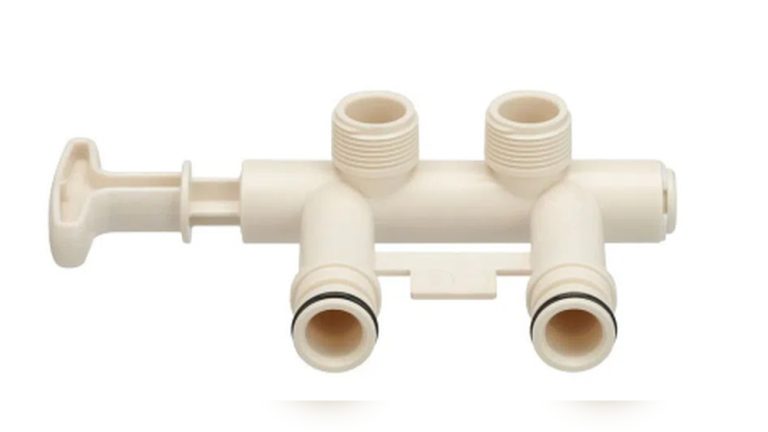
Malfunctioning Float Valve
The float valve controls the water level in the brine tank. If it breaks or gets stuck, water keeps filling. This leads to overflow outside the tank. Checking the float valve often can avoid this issue. Replacing a bad valve stops constant overflow.
Incorrect Salt Level
Salt keeps the water softener working properly. Too much salt can block water flow inside the tank. Too little salt causes poor regeneration. Both conditions can cause overflow. Keep the salt level in the right range for smooth operation.
Timer Or Control Malfunction
The timer and control system manage the softening cycles. A faulty timer can cause the softener to run too long. This wastes water and causes overflow. Inspecting the control system helps catch problems early. Repairing or replacing faulty parts stops overflow issues.
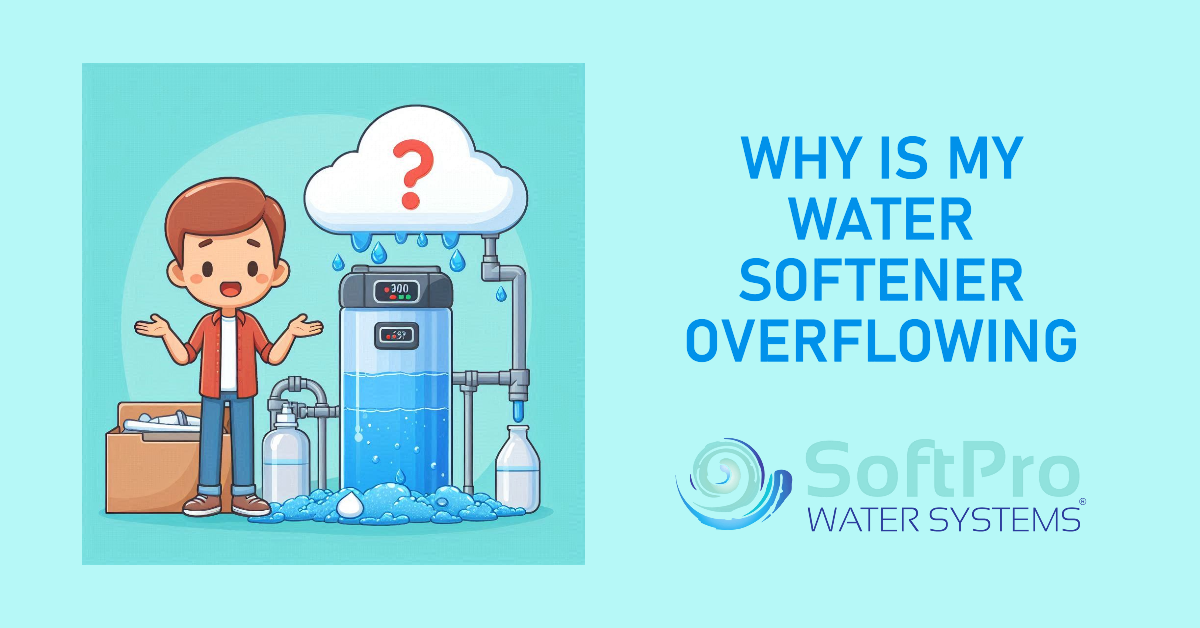
Credit: www.softprowatersystems.com
Immediate Steps To Stop Overflow
Water softener overflow can cause water damage and waste. Acting fast can reduce problems and save your home.
Follow these immediate steps to stop the overflow and keep your water softener safe.
Shut Off Water Supply
First, find the main water valve near the softener. Turn it clockwise to close it. This stops more water from entering the softener. It helps prevent more overflow and damage.
Turn Off Power To Softener
Next, switch off the power to the softener. Unplug the unit or turn off its circuit breaker. This stops the softener from running and making the overflow worse. Safety first.
Check And Clear Drain Line
Look for blockages in the drain line. Remove any clogs or debris you find. A clear drain line helps water flow out properly. This action often stops the overflow quickly.
Simple Fixes To Try At Home
Water softener overflow can cause water damage and waste salt. Fixing it at home saves time and money. Some simple steps often solve the problem fast. No need to call a plumber right away.
Adjusting Salt Levels
Check the salt level in the brine tank. Too much salt can cause overflow. Remove some salt if it looks piled high. Keep salt about half full for best results. Use clean, dry salt pellets for efficiency.
Cleaning The Brine Tank
Dirty tanks often cause overflow issues. Empty the tank and remove salt chunks. Wash the inside with warm water and mild soap. Rinse well to remove soap residue. Let it dry before refilling with salt.
Resetting The Control Valve
The control valve manages water flow and regeneration cycles. Sometimes it gets stuck or malfunctions. Turn off the softener’s power for a few minutes. Turn it back on and reset the settings. This often clears errors causing overflow.
When To Call A Professional
Water softener overflow can cause serious damage if not handled properly. Knowing the right time to call a professional helps avoid costly repairs. Some problems need expert care to ensure your system works well and lasts longer.
Persistent Overflow Issues
Small overflows may seem easy to fix. But if the problem happens often, a professional should check the system. Persistent overflow may signal deeper issues that need expert tools to diagnose and repair.
Electrical Or Mechanical Repairs
Water softeners have electrical parts and moving components. Repairs on these parts require skill and proper knowledge. Incorrect handling can cause more damage or safety risks. A trained technician can safely fix these problems.
System Inspection And Maintenance
Regular inspection keeps your water softener running smoothly. Professionals can clean, adjust, and replace parts when needed. This prevents overflow and other malfunctions. Schedule maintenance to keep your system in good shape.
Preventive Tips To Avoid Overflow
Preventing water softener overflow helps protect your home and keeps the system working well. Small actions can stop big problems. Follow these simple steps to avoid overflow and keep your water softener in good shape.
Regular Salt Replenishment
Salt keeps the water softener working properly. Check the salt level every month. Add salt before it runs too low. Use the right type of salt for your system. Avoid letting salt bridge or clump inside the tank. This helps the system clean water without overflowing.
Routine System Cleaning
Clean the water softener regularly. Remove dirt and debris from the brine tank. Clean the resin beads to keep them effective. Flush the system to remove any buildup. This helps water flow smoothly and stops clogs that cause overflow.
Scheduled Professional Checkups
Have an expert inspect your water softener yearly. Professionals find hidden problems early. They check valves, controls, and settings. Fixing small issues prevents overflow and saves money. Regular service keeps your system safe and reliable.

Credit: www.aquasoftuk.com

Credit: www.aaastl.com
Frequently Asked Questions
What Causes Water Softener Overflow Problems?
Water softener overflow often results from clogged drain lines, faulty valves, or incorrect settings. Regular maintenance helps prevent these issues and ensures smooth operation.
How Can I Fix A Water Softener Overflowing?
Check and clear clogged drain tubes, inspect valves, and reset the control settings. If issues persist, consult a professional for repair.
How To Prevent Water Softener Overflow Issues?
Regularly clean the brine tank, inspect hoses, and monitor salt levels. Proper maintenance reduces overflow risk and extends the system’s lifespan.
Can Hard Water Damage Cause Overflow In Softeners?
Yes, excessive mineral buildup can clog components, leading to overflow. Timely cleaning and water testing help avoid damage and overflow problems.
Conclusion
Water softener overflow can cause water waste and damage. Fix the issue quickly to save water and money. Check the float valve and drain line for blockages. Regular maintenance helps keep your system working well. Simple steps prevent future overflow problems easily.
Stay alert to signs of overflow to act fast. Your water softener will last longer with care. Small fixes now avoid big repairs later. Keep your home safe and your water soft.