
Are you noticing your Whirlpool water softener isn’t delivering the strong water flow you expect? Low water pressure can be frustrating, especially when you rely on your softener for clean, smooth water every day.
But don’t worry—this issue doesn’t have to disrupt your routine or damage your system. You’ll discover simple reasons why your Whirlpool water softener might be causing low water pressure and easy steps you can take to fix it fast. Keep reading to regain full water power and enjoy the benefits of soft water again.
Credit: whirlpoolwatersolutions.zendesk.com
Causes Of Low Water Pressure
Low water pressure in a Whirlpool water softener can cause many problems. It affects water flow in your home. Understanding the causes helps fix the issue fast. Several parts inside the softener may block water or reduce pressure. Each part needs checking to find the real cause.
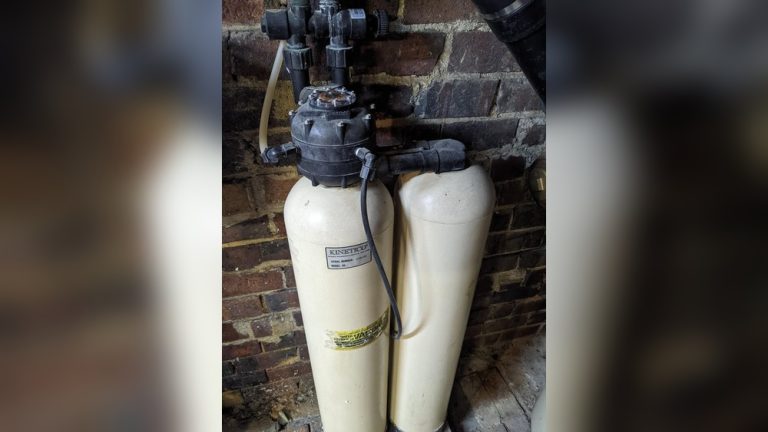
Clogged Resin Tank
The resin tank holds beads that soften water. Over time, these beads can clog with dirt or debris. This clog reduces water flow and pressure. Cleaning or replacing the resin may restore normal pressure.
Blocked Inlet Screen
The inlet screen stops dirt from entering the softener. If it gets blocked, water flow slows down. This blockage lowers water pressure. Regular cleaning of the screen keeps water flowing well.
Faulty Bypass Valve
The bypass valve directs water around the softener. A broken valve can cause leaks or block water flow. This damage leads to low pressure. Fixing or replacing the valve helps restore pressure.
Pressure Regulator Issues
The pressure regulator controls water pressure entering the softener. If it fails, pressure can drop too low. This problem affects the whole system. Testing and adjusting the regulator can fix pressure problems.
Salt Bridge Formation
Salt bridges form when salt hardens at the bottom of the tank. This hard layer stops water from dissolving salt. The softener cannot work properly, lowering water pressure. Breaking the salt bridge clears the way for better flow.

Credit: www.watersmartsystems.com
Signs Of Water Softener Pressure Problems
Signs of water softener pressure problems are easy to spot if you know what to watch for. These issues affect how well your water flows in the house. They can also damage your softener system over time.
Noticing early signs helps fix problems before they get worse. Check your water pressure regularly to catch any changes. Here are common signs that your Whirlpool water softener may have pressure problems.
Reduced Water Flow
Water flows slower from taps and showers. It takes longer to fill bathtubs or wash dishes. Reduced flow means pressure inside the softener is low. Clogged filters or valves often cause this.
Inconsistent Water Pressure
Water pressure rises and falls without reason. One minute it feels strong, the next weak. This up-and-down pressure can mean blockages or worn parts. It affects daily chores and water use.
Unusual Noises
Strange sounds come from the water softener. Humming, rattling, or gurgling noises are not normal. These noises show internal pressure issues or mechanical faults. Ignoring them can lead to bigger problems.
Water Softener Regeneration Issues
The softener does not clean itself properly. Regeneration cycles take longer or stop suddenly. Poor pressure can cause salt buildup or resin problems. This reduces water softening and harms your plumbing.
Troubleshooting Steps
Low water pressure in a Whirlpool water softener can cause many problems. It can reduce water flow and affect your daily chores. Troubleshooting helps find the problem fast. Simple checks can restore normal pressure. Follow these steps to diagnose and fix common issues.
Inspecting And Cleaning The Resin Tank
The resin tank holds beads that soften water. Over time, these beads can get clogged. Dirt and debris block water flow inside the tank. Remove the tank cover carefully. Check the beads for dirt or damage. Clean the tank with water and mild soap. Rinse well before reassembling. This improves water flow and pressure.
Checking And Clearing The Inlet Screen
The inlet screen stops dirt from entering the softener. It can get blocked by sediment or rust. Turn off the water supply first. Remove the screen from the inlet valve. Clean it under running water using a brush. Make sure no debris remains. Replace the screen and turn the water back on. This step prevents pressure loss caused by blockage.
Examining The Bypass Valve
The bypass valve controls water flow during maintenance. If it is partially open, water pressure drops. Locate the valve near the softener. Ensure it is fully closed or open as needed. Adjust the valve handle gently. A stuck valve can limit water flow. Fixing this restores proper pressure quickly.
Testing The Pressure Regulator
The pressure regulator keeps water pressure steady. It may wear out or malfunction. Use a pressure gauge to check water pressure before and after the regulator. Pressure should be between 40 and 60 psi. Replace the regulator if pressure is too low or fluctuates. This helps maintain a steady water flow.
Breaking Up Salt Bridges
Salt bridges form hard layers in the brine tank. They block salt from dissolving properly. Use a broomstick to gently break the salt crust. Avoid damaging the tank. Remove the broken pieces and check for any leftover salt. Salt bridges cause low water pressure by stopping proper regeneration. Clearing them restores softener function.
Credit: www.premierwatermn.com
Maintenance Tips To Prevent Low Pressure
Maintaining your Whirlpool water softener helps prevent low water pressure issues. Proper care keeps water flowing smoothly. Small habits make a big difference in system performance.
Regular Cleaning Schedule
Clean the brine tank and resin bed regularly. Remove any salt buildup or debris. This stops blockages that reduce water flow. Set a monthly cleaning routine for best results.
Using The Right Type Of Salt
Choose high-quality salt made for water softeners. Avoid salt with impurities or additives. Pure salt dissolves better and prevents clogs. This keeps the system working well and maintains pressure.
Monitoring Water Hardness Levels
Check water hardness with a test kit often. Adjust the softener settings based on these results. Proper adjustment prevents overuse and salt waste. Balanced settings help maintain steady water pressure.
Professional Servicing Recommendations
Schedule professional checks at least once a year. Experts can spot hidden issues early. They clean and repair parts for smooth operation. Regular service extends your system’s life and keeps pressure stable.
When To Call A Professional
Knowing when to call a professional for your Whirlpool water softener low water pressure is important. Some problems are easy to fix, but others need expert help. This saves time and avoids damage.
Persistent Pressure Issues
If low water pressure keeps happening, it signals a bigger problem. Simple fixes won’t work anymore. A professional can find hidden issues causing constant pressure drops. They use tools to diagnose the system properly.
Complex Repairs
Some repairs require special skills and parts. Problems like clogged valves or broken pumps are not easy to fix alone. Professionals have experience with Whirlpool systems and can repair them safely and quickly. This prevents further damage.
System Replacement Considerations
Sometimes, the water softener is too old or damaged. Repair costs may be high. A professional can advise if replacement is better than repair. They help choose the right system for your home and install it correctly.
Frequently Asked Questions
Why Is My Whirlpool Water Softener Causing Low Water Pressure?
Low water pressure often occurs due to clogged resin beds or blocked valves in the softener. Regular maintenance and cleaning can prevent this issue. Also, check for sediment buildup in the system that restricts water flow.
How Can I Fix Low Water Pressure In My Softener?
Start by inspecting and cleaning the resin tank and valves. Replace clogged filters and backwash the system if needed. Ensure proper installation and check for leaks that may reduce pressure.
Does Water Hardness Affect Water Pressure In Softeners?
Yes, extremely hard water can cause scale buildup inside the softener. This buildup restricts water flow, leading to low pressure. Regular regeneration and maintenance help mitigate this problem.
How Often Should I Maintain My Whirlpool Water Softener?
Maintenance should be done at least every 3-6 months. Frequent checks prevent clogs and pressure drops. Follow the manufacturer’s guidelines for resin replacement and system cleaning.
Conclusion
Low water pressure in your Whirlpool water softener can be fixed with simple steps. Check for clogged pipes or filters first. Cleaning or replacing parts often improves flow. Regular maintenance keeps your system working well. Small issues can cause big problems if ignored.
Keep an eye on water pressure to avoid damage. A well-functioning softener saves water and energy. Take action early to enjoy soft, clean water every day. Your comfort and appliance health depend on it.