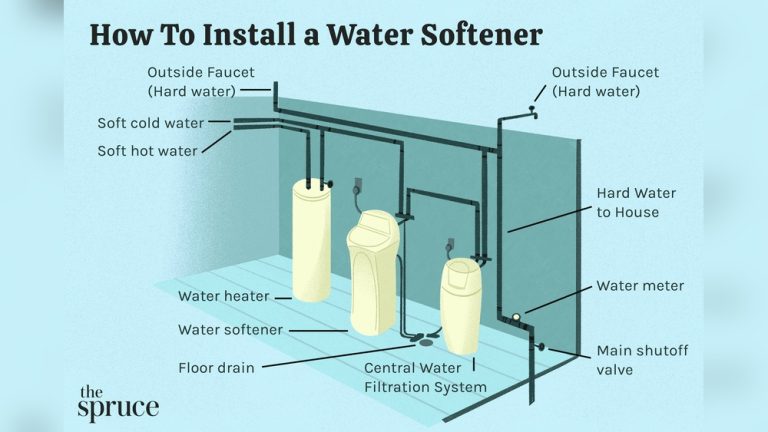

Are you tired of dealing with hard water that leaves spots on your dishes and dulls your clothes? Installing a water softener in your garage could be the simple fix you need.
Imagine having smooth, clean water flowing through your taps every day, protecting your pipes and appliances from damage. This guide will walk you through the easy steps to install a water softener yourself, saving you money and giving you control over your home’s water quality.
Keep reading, and you’ll discover how to make your water work better for you.
Choosing The Right Water Softener
Choosing the right water softener is important for your garage installation. It ensures soft water and prevents hard water problems. The right softener fits your needs and budget. This helps avoid extra costs and maintenance issues. Consider the type, size, and price carefully before buying.
Types Of Water Softeners
There are mainly three types of water softeners. Salt-based softeners use salt to remove hardness. They are common and effective. Salt-free softeners do not use salt. They condition water but do not remove hardness completely. Dual-tank softeners have two tanks. They work continuously without downtime for regeneration.
Sizing Your Softener
Size matters for water softeners. A small softener may not handle your water use. A large one wastes salt and space. Calculate your daily water use and hardness level. Match these with the softener’s capacity. This ensures enough soft water for your needs without waste.
Budget Considerations
Price varies with type and size of softener. Salt-based models are usually cheaper upfront. Salt-free and dual-tank models cost more. Think about ongoing costs like salt and electricity. Choose a water softener that fits your budget now and later. Balance cost with performance for best value.
Preparing Your Garage Space
Preparing your garage space is an important first step before installing a water softener. A clean and well-organized area makes the installation easier and safer. It also helps the system work better and last longer. Take time to get the space ready. This saves effort later and avoids problems.
Selecting The Installation Spot
Choose a spot near the main water line for easy connection. The area should be dry and protected from extreme temperatures. Avoid places with direct sunlight or near heaters. Allow enough room around the water softener for maintenance and repair. Make sure the spot is close to an electrical outlet for power supply.
Clearing And Cleaning The Area
Remove tools, boxes, and other items from the chosen spot. Sweep or vacuum the floor to clear dust and dirt. A clean surface prevents damage and keeps the system clean. Check walls and floors for leaks or mold. Fix any problems before starting the installation. A tidy space makes the process smooth.
Ensuring Proper Drainage
Water softeners need a drain to release wastewater. Find or create a drain near the installation spot. The drain should be lower than the water softener for gravity flow. Use a drain line that meets local codes and regulations. Test the drain to make sure water flows out easily. Proper drainage prevents flooding and damage.
Gathering Tools And Materials
Before installing a water softener in your garage, gather all necessary tools and materials. Having everything ready makes the process faster and easier. Proper preparation helps avoid interruptions and mistakes.
Essential Tools
Start with basic plumbing tools. You will need a pipe cutter to trim pipes accurately. A wrench set helps tighten or loosen fittings. A drill is useful for making holes for mounting. A screwdriver set is necessary for securing parts. A tape measure ensures correct placement. Finally, have plumber’s tape for sealing threaded connections.
Required Materials
Prepare all the parts for the water softener system. This includes the water softener unit itself. You will need flexible water hoses for connections. PVC or copper pipes are required for plumbing. Use pipe connectors, elbows, and tees to shape the plumbing. Salt pellets or crystals are essential for the softener to work. Don’t forget to have a drain line for wastewater.
Safety Equipment
Protect yourself during installation. Wear safety goggles to shield your eyes. Use gloves to protect your hands from sharp edges and chemicals. Wear a dust mask if drilling or cutting pipes. Proper footwear helps avoid injury. Safety first ensures a smooth and secure installation.

Credit: www.floridawatertechnologies.com
Shutting Off Water And Power
Before installing a water softener in your garage, shutting off the water and power is essential. This step ensures safety and prevents leaks or electrical shocks. Taking time to do this correctly saves effort later.
Locating Main Water Valve
Find the main water valve to stop water flow. It is usually near the water meter or where the main pipe enters your home. Turn the valve clockwise to close it. This stops water from flowing into your garage plumbing.
Turning Off Electricity
Cut power to the area where you will install the softener. Locate the circuit breaker box. Flip the switch for the garage or the specific outlet off. This step avoids electric shocks during installation.
Relieving Water Pressure
Open a faucet in the garage to relieve pressure. Let water drain out until it stops flowing. This prevents water from spraying when you disconnect pipes. It makes installation cleaner and safer.
Installing The Bypass Valve
Installing the bypass valve is a key step in setting up your water softener in the garage. This valve lets you stop water flow to the softener without shutting off the whole house water supply. It helps during maintenance or repairs.
The bypass valve also makes it easy to switch between softened and hard water. This can save water and salt when softening is not needed. Proper installation ensures smooth operation and prevents leaks.
Attaching The Valve To Softener
Start by locating the inlet and outlet ports on your water softener. Align the bypass valve with these ports. Use the supplied screws or fittings to fix the valve firmly.
Make sure the valve handle moves freely. Tighten all connections by hand, then use a wrench for a snug fit. Avoid overtightening to prevent damage.
Connecting To Water Lines
Turn off the main water supply before connecting pipes. Attach the water lines to the bypass valve’s inlet and outlet. Use Teflon tape on threaded ends to stop leaks.
Check the pipe fittings match the valve size. Secure all connections with clamps or nuts. Slowly turn on the water and watch for leaks around the valve.

Credit: www.reddit.com
Connecting Water Lines
Connecting the water lines is a key step in installing a water softener in your garage. This process ensures water flows correctly through the softener, improving water quality. Proper connection prevents leaks and ensures system efficiency.
Cutting And Preparing Pipes
Start by turning off the main water supply. Use a pipe cutter to cut the pipes at the desired spots. Make sure cuts are straight and smooth. Remove any burrs or rough edges with sandpaper. Clean the pipe ends to ensure a tight fit with fittings.
Fitting Inlet And Outlet Pipes
Attach the inlet pipe to the water softener’s input valve. The outlet pipe connects to the home’s water system. Use the correct fittings for your pipe type, like compression or push-fit connectors. Check that pipes are aligned to avoid stress on connections.
Securing Connections
Tighten all fittings by hand first. Use a wrench for a firm grip but avoid over-tightening. Over-tightening can cause damage or leaks. Test each connection by slowly turning on the water. Look for drips and tighten if needed. Wrap threads with plumber’s tape for extra sealing.
Setting Up The Drain Line
Setting up the drain line is a key step in installing a water softener in your garage. This part handles the water discharge during the regeneration cycle. Proper setup avoids leaks and water damage. It also keeps your system running smoothly and efficiently.
Routing The Drain Hose
Start by planning the path for the drain hose. It should reach a nearby drain or floor drain. Avoid sharp bends or kinks in the hose. Keep the hose as straight as possible. This helps water flow without blockages.
Ensuring Proper Drainage Flow
Check the hose slope to ensure water flows down easily. The hose should slope downward from the softener to the drain. Avoid any upward loops that can trap water. A smooth, consistent slope prevents backups and overflow.
Securing The Drain Hose
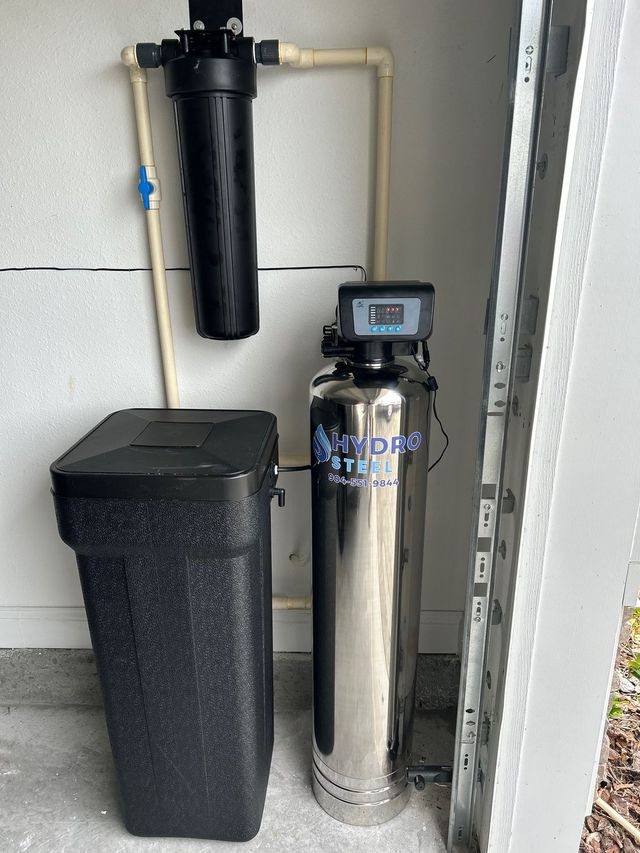
Attach the hose firmly to the drain and softener outlets. Use clamps or brackets to keep it in place. Make sure the hose cannot move or disconnect. Secure placement prevents leaks and water spills in your garage.
Credit: www.floridawatertechnologies.com
Adding Salt And Initial Setup
Adding salt and setting up your water softener is a key step. This ensures the system works well and lasts longer.
Salt helps the softener remove hard minerals from water. The initial setup prepares the machine to treat your water efficiently.
Filling The Brine Tank
Open the lid of the brine tank carefully. Pour water softener salt into the tank. Fill the tank about half full.
Use high-quality salt for better results. Avoid overfilling to prevent salt bridges or clogs. Check the salt level regularly to keep the system working.
Programming The Control Panel
Turn on the control panel after filling the tank. Set the time of day on the display. Enter your water hardness level using the manual or test results.
Choose the regeneration cycle frequency. This controls how often the softener cleans itself. Save the settings and start the system.
Testing The System
Testing the water softener system is a key step after installation in your garage. This ensures it works well and avoids future problems. Follow each part carefully for best results.
Turning Water And Power Back On
Start by turning the main water supply back on slowly. This prevents sudden pressure that might damage pipes. Next, switch on the power to the water softener unit. Watch the control panel for any error signals or unusual sounds.
Checking For Leaks
Look around all pipe connections and valves for water leaks. Use a dry cloth to detect moisture. Tighten fittings gently if you find any drips. Fixing leaks early saves water and prevents damage to your garage.
Running A Regeneration Cycle
Initiate a regeneration cycle on the control panel. This cleans the resin beads inside the softener. Pay attention as the system uses salt and water during this cycle. After completion, test the water hardness to ensure softening works well.
Maintenance Tips
Proper maintenance keeps your water softener working well. It helps avoid problems and saves money. Follow these simple tips to maintain your system in the garage.
Regular Salt Refills
Check the salt level in the brine tank every month. Use high-quality salt to prevent clogs. Add salt before the level gets too low. Keep the tank at least half full. This ensures the system softens water correctly.
Cleaning The System
Clean the brine tank once a year to remove salt buildup. Empty the tank and wash it with warm, soapy water. Rinse well before adding new salt. Clean the resin bed if your water is very hard. This keeps the softener working efficiently.
Troubleshooting Common Issues
Watch for signs like hard water or strange noises. Check the salt level and refill if needed. Inspect the timer and settings to ensure they are correct. Clear any salt bridges or clogs in the tank. Call a professional if problems continue.
Frequently Asked Questions
What Tools Are Needed To Install A Water Softener In Garage?
You need a wrench, pipe cutter, Teflon tape, tubing, and a screwdriver. Also, have a bucket and level handy. These tools help connect the system securely and prevent leaks during installation.
How Do I Choose The Right Water Softener Size?
Calculate your household water usage and hardness level. Choose a softener that handles your water capacity. Proper sizing ensures efficient softening and longer system life.
Can I Install A Water Softener Myself In The Garage?
Yes, if you have basic plumbing skills and tools. Follow manufacturer instructions carefully to avoid leaks. DIY saves money but consider a pro for complex setups.
Where Should I Place The Water Softener In The Garage?
Place it near the main water supply and a drain. Ensure easy access for maintenance and avoid freezing temperatures. Proper placement improves system efficiency.
Conclusion
Installing a water softener in your garage can improve water quality easily. Follow the steps carefully for the best results. Check all connections to avoid leaks and ensure smooth operation. Regular maintenance keeps the system working well. Soft water helps protect pipes and appliances from damage.
Enjoy cleaner, softer water every day at home. Taking these simple actions can save money and time. Start your installation with confidence and enjoy the benefits soon.