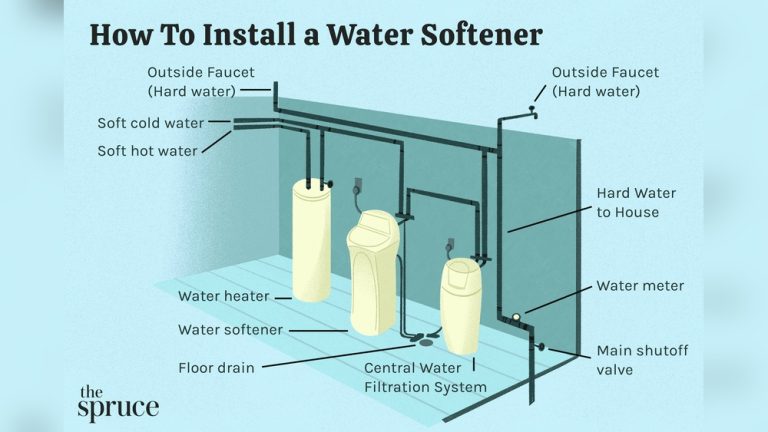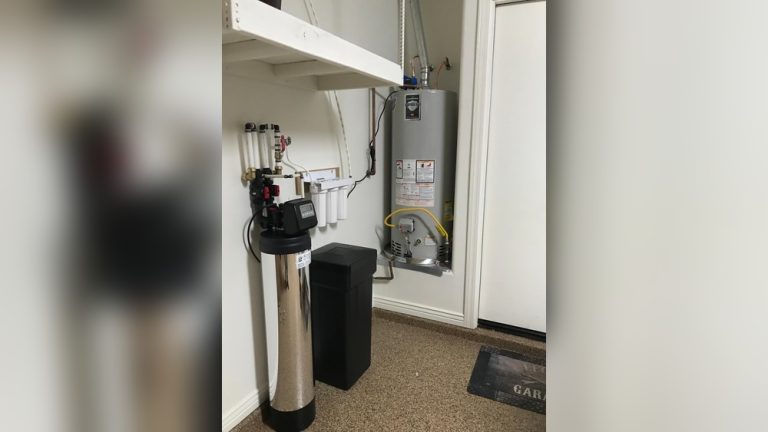

Are you wondering if a water softener can be installed outside your home? You’re not alone.
Many people ask this question because space inside their house is limited or they want to keep their water system out of sight. But before you make a decision, it’s important to know the benefits and challenges of placing a water softener outdoors.
This article will guide you through everything you need to consider to keep your water softener working efficiently, no matter where it’s installed. Keep reading to find out what works best for your home and your water quality.
Benefits Of Outdoor Installation
Installing a water softener outside has several clear benefits. It helps save space inside your home. It also makes maintenance easier. Plus, it protects the system from indoor risks. These advantages make outdoor installation a smart choice for many homes.
Space Saving Advantages
Outdoor installation frees up valuable indoor space. Water softeners can be bulky. Keeping them outside means more room in basements or laundry areas. This extra space can be used for storage or other appliances. It is especially helpful in small homes with limited room.
Easy Access For Maintenance
Water softeners need regular care and checks. Being outside makes reaching the system simple. There are no tight corners or cramped areas to deal with. Repairs and refills can happen faster. This saves time and effort for homeowners and technicians.
Protection From Indoor Hazards
Keeping the water softener outside reduces exposure to indoor dangers. Leaks or overflows inside can cause water damage. Outside, these risks are less likely to harm your home. Also, the system stays away from dust and dirt inside. This helps it last longer and work better.
Challenges Of Outdoor Installation
Installing a water softener outside brings several challenges. These devices are designed mainly for indoor use. Protecting them from outdoor conditions is critical. Otherwise, damage and poor performance may occur. Understanding the risks helps prepare better for outdoor setups.
Weather Exposure Risks
Rain, snow, and wind can harm a water softener. Moisture can cause rust and clog the system. Dirt and debris may enter the device, causing damage. Constant exposure reduces the lifespan of the softener. Covering the unit or placing it in a shelter is necessary.
Freezing And Temperature Concerns
Water softeners contain water inside their tanks. Freezing temperatures can cause pipes and tanks to crack. This leads to leaks and costly repairs. High heat can also affect internal parts. Keeping the softener in a controlled environment helps avoid these issues.
Uv Damage To Components
Sunlight contains ultraviolet (UV) rays that harm plastic and rubber parts. Prolonged exposure causes cracking and fading. This weakens seals and connections, causing leaks. Using UV-resistant covers or enclosures protects the components. It extends the water softener’s working life outdoors.
Ideal Locations For Outdoor Units
Choosing the right spot for an outdoor water softener matters a lot. The location affects the unit’s lifespan and how well it works. Outdoor units need protection from sun, rain, and cold. They also need to be easy to reach for checks and fixes. Let’s explore the best places to install your water softener outside.
Shaded Areas
Place the water softener in a shaded spot. Sunlight can heat the unit and damage plastic parts. Shade helps keep the system cool and safe. Trees or a covered patio work well. Avoid spots with direct sun all day.
Near Water Source
Install the softener close to where water enters your home. This reduces pipe length and saves water pressure. Short pipes mean fewer leaks and easier maintenance. Check that the area stays dry and clean.
Accessible For Servicing
Pick a place easy to reach for repairs and cleaning. You will need to check the salt tank often. A clear path makes servicing faster and safer. Avoid tight corners or hidden spots that are hard to access.

Credit: www.youtube.com
Materials And Equipment Needed
Installing a water softener outside needs special materials and tools. These help protect the system from weather and damage. Choosing the right equipment keeps the softener working well for years.
Using strong and weatherproof materials is key. Also, insulation helps the system survive cold winters. Pipes and fittings must be tough to avoid leaks and breaks.
Weatherproof Enclosures
A weatherproof enclosure shields the water softener from rain, sun, and wind. Look for enclosures made of plastic or metal with a tight seal. These stop water and dust from entering. A good enclosure also blocks UV rays that can harm the softener.
Insulation Options
Insulation keeps the water softener safe from freezing temperatures. Use foam boards or insulating blankets around the unit. These materials trap heat and prevent ice build-up. Insulation helps the softener work properly even in cold weather.
Durable Piping And Fittings
Choose pipes made of PVC or copper for strength and long life. Use fittings that resist corrosion and tight seals to prevent leaks. Durable piping supports the softener’s function and reduces maintenance needs.
Step-by-step Installation Guide
Installing a water softener outside requires careful steps. Each step must ensure the unit works well and lasts long. Follow this guide for a smooth installation process.
Site Preparation
Choose a flat, stable spot near your main water line. The area should be shaded to protect the softener from sun damage. Clear any debris and level the ground. Make sure the site is close to a drain and power source.
Mounting The Unit
Place the water softener on a solid base like a concrete pad or sturdy platform. Secure it firmly to prevent movement. Check that the unit stands upright and stable. This prevents leaks and damage during operation.
Plumbing Connections
Turn off the main water supply before starting. Connect the water softener’s inlet and outlet to your home’s pipes. Use appropriate fittings and sealants to avoid leaks. Attach a drain hose to carry wastewater safely away.
Electrical Setup
Plug the softener into a nearby power outlet. Use a weatherproof cover to protect the plug and socket. Make sure wiring is safe and dry. Follow the manufacturer’s instructions to complete the electrical setup.
Maintenance Tips For Outdoor Softeners
Maintaining an outdoor water softener helps it work well for a long time. Regular care prevents damage from weather and dirt. Follow simple steps to keep your system in good shape all year.
Regular Inspections
Check the softener weekly for cracks or leaks. Look for signs of rust or worn parts. Make sure the cover is secure and no animals can get inside. Early checks help catch problems before they grow.
Winterizing The System
Cold weather can harm your outdoor softener. Drain all water to stop freezing inside the tank. Use insulation or a heater if the softener stays outside. Protect pipes and valves from ice damage during winter months.
Cleaning And Refilling
Clean the brine tank every few months. Remove salt build-up and debris to keep salt dissolving well. Refill with fresh salt regularly to ensure soft water flow. Use the right type of salt made for softeners.
Common Mistakes To Avoid
Installing a water softener outside can save indoor space. Yet, many make simple mistakes that cause problems later. Avoiding these errors ensures your system works well and lasts long.
Improper Placement
Placing the water softener in direct sunlight harms its parts. Heat can damage the control panel and plastic components. Choose a shaded, flat area to keep it safe. Avoid spots where water can pool or freeze.
Ignoring Weatherproofing
Outdoor water softeners need protection from rain and snow. Without a cover, moisture can cause rust and electrical issues. Use a weatherproof enclosure made for water softeners. Seal all openings to keep pests and dirt out.
Neglecting Routine Checks
Check your outdoor water softener regularly. Look for leaks, salt levels, and signs of wear. Clean the brine tank and remove debris around the unit. Regular care helps prevent breakdowns and keeps water soft.
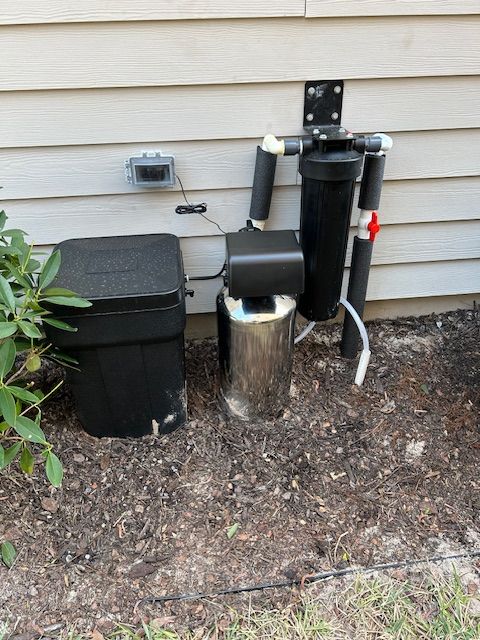
Credit: www.floridawatertechnologies.com
When To Hire A Professional
Installing a water softener outside can be tricky. Some parts require special skills and tools. Knowing when to hire a professional saves time and prevents damage. It also ensures the system works well and lasts longer.
Complex Plumbing Needs
Outdoor water softener installation may need changes to pipes. Pipes could run underground or need extra fittings. A professional plumber knows how to handle these tasks safely. They prevent leaks and water damage by using the right tools. Complex plumbing work is best left to experts.
Electrical Work
Some water softeners need electricity to run timers or controls. Installing electrical parts outdoors requires care and knowledge. A licensed electrician can ensure safe wiring and protect against weather. Incorrect wiring can cause shocks or damage the unit. Professionals follow safety codes and standards.
Ensuring Warranty Compliance
Many water softener brands require professional installation for warranty coverage. DIY work might void the warranty and cost more if problems occur. Hiring a certified technician helps keep the warranty valid. It also guarantees the system is installed according to manufacturer rules.

Credit: www.aquasoftuk.com
Conclusion
Installing a water softener outside is possible with the right care. Protect it from weather by using a sturdy cover or enclosure. Place it in a shaded, dry spot to avoid damage. Regular checks help keep the system working well.
Outdoor installation saves indoor space and keeps things neat. Think about local climate before deciding the location. Proper setup ensures soft water all year round. Simple steps make outdoor water softeners last longer and work better.