
Is your GE water softener not draining properly? You rely on it to keep your water soft and your appliances running smoothly.
When it stops draining, it can cause frustration and disrupt your daily routine. You’ll discover easy steps to identify why your GE water softener isn’t draining and how to get it working again fast.
Causes Of Ge Water Softener Drainage Issues
Drainage problems in a GE water softener often stop it from working properly. These issues can cause water to pool or the system to fail during regeneration. Finding the cause helps fix the problem quickly and keeps your water softener running well.
#1: Clogged Drain Line
The drain line can get clogged with dirt, debris, or salt. This blocks water from flowing out. A clogged line stops the softener from draining properly. Cleaning or replacing the line clears the blockage and restores flow.
#2: Blocked Drain Valve
The drain valve controls water release during regeneration. Dirt or salt can block the valve. When blocked, water cannot exit the system. Checking and cleaning the valve solves this drainage issue.
#3: Faulty Drain Motor
The drain motor powers the draining process. A motor failure stops draining completely. Faulty motors need repair or replacement. Testing the motor can confirm if it causes the problem.
#4: Timer Or Control Board Problems
The timer or control board manages the softener’s cycle.
Errors in these parts can stop draining at the right time. Resetting or replacing the control parts may fix drainage problems. Proper timing ensures smooth operation.

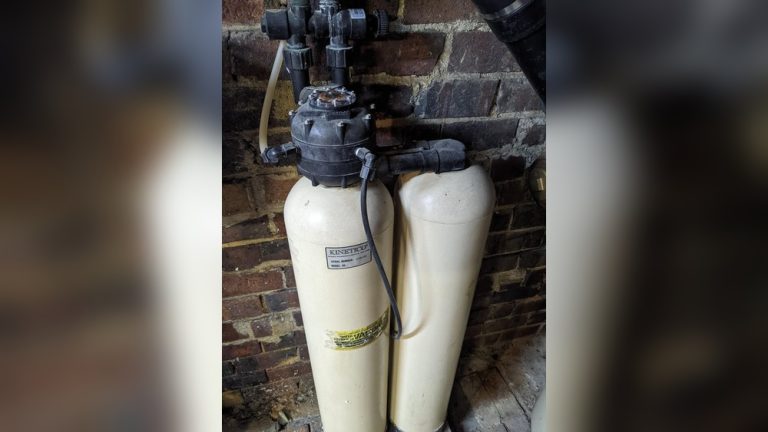
Credit: www.reddit.com
Tools Needed For GE Water softener Troubleshooting
Troubleshooting a GE water softener that is not draining requires the right tools. Having the proper tools on hand makes the process easier and faster. This section lists the essential tools needed to identify and fix drainage issues effectively.
Basic Hand Tools
Basic hand tools include
- screwdrivers
- pliers
- wrenches
- flashlight
These tools help open panels and tighten or loosen fittings. A flashlight is useful to see inside dark areas. Keep a small bucket nearby to catch any water spills during the repair.
Multimeter For Electrical Testing
A multimeter checks electrical parts for power and continuity. It helps find if the timer or motor is working correctly. This tool is important for diagnosing electrical faults safely. Use it to measure voltage and resistance in the water softener’s control board.
Cleaning Supplies
Cleaning supplies like brushes and cloths remove dirt and debris. Vinegar or mild detergent can clean resin beds and drain lines. Clear pipes and remove blockages to restore proper water flow. Clean parts improve the softener’s performance and prevent GE water softener common problems.
Step-by-step Drain Line Cleaning
Cleaning the drain line of your GE water softener helps fix drainage problems. This step-by-step guide shows how to clear the line safely. Follow each step to keep your water softener working well.
Step 1: Locate The Drain Line
Find the drain line connected to your water softener. It is usually a small hose near the back of the unit. Trace the hose to see where it leads. Make sure the line is easy to reach before starting.
Step 2: Remove And Clear Blockages
Turn off the water softener and unplug it. Detach the drain line from the unit carefully. Check the hose for dirt or clogs. Use a thin brush or a long wire to remove any blockages inside the hose.
Step 3: Flush The Line Thoroughly
Reconnect the drain line to the water softener. Place the hose in a bucket or outside drain. Run water through the softener to flush out debris. Repeat flushing until the water flows clear and smooth.

Credit: www.youtube.com
Inspect And Fix Ge Water Softener Not Draining
Inspecting and fixing the water softener drain valve is a key step when a GE water softener not draining. The drain valve controls the flow of water out of the system during the regeneration cycle.
A faulty valve can cause water to stay trapped inside the softener. This leads to poor performance and possible damage. Understanding how to check and repair this valve can save time and money.
Identifying Valve Issues
Start by locating the drain valve on the water softener. Look for cracks, leaks, or blockages. Listen for unusual sounds during the drain cycle.
Check if water drains slowly or not at all. A stuck or broken valve often causes these GE water softener common problems.
Also, inspect the valve’s moving parts for wear or stiffness. These signs point to valve issues that need fixing.
Cleaning Or Replacing The Valve
Remove the valve carefully from the softener. Clean any dirt, debris, or mineral buildup on the valve parts.
Use warm water and a soft brush for cleaning. If cleaning does not help, consider replacing the valve.
Purchase a compatible replacement from a trusted supplier.
Install the new valve by reversing the removal steps.
Test the softener to ensure proper drainage after repair.
Testing The Drain Motor
Testing the drain motor is key when your GE water softener not draining.
The drain motor pushes water out during the regeneration cycle. If it stops working, water stays inside.
This can cause the softener to fail its job. Checking the motor helps find the issue fast. You can save time and money by fixing the motor or replacing it if needed.
Checking Motor Function
Unplug the softener before testing the motor for safety. Find the drain motor at the back or side of the unit.
Look for any water or debris blocking the motor. Turn the motor shaft by hand to see if it moves freely.
Use a multimeter to check if the motor gets power during the drain cycle. No power means an electrical issue. If the motor hums but does not run, it might be stuck or broken.
Replacing A Faulty Motor
Buy a replacement motor that matches your GE softener model. Remove the old motor by disconnecting wires and screws.
Clean the area before installing the new motor. Connect wires carefully to avoid damage. Secure the motor in place and test the softener.
The new motor should run smoothly and drain water properly. Replace the motor if problems continue or the unit does not drain correctly.

Credit: www.watersmartsystems.com
Resetting And Checking Control Components
Resetting and checking the control components is a key step in fixing a GE water softener that does not drain. These controls manage the timing and operation of the softener’s cycles. Faulty controls can stop the system from working properly.
Start by resetting the timer to clear any errors. Then inspect the control board for damage or loose parts. This process helps identify simple problems that block drainage.
Resetting The Timer
The timer controls the softener’s regeneration cycle. A stuck timer can prevent the unit from draining water.
To reset, locate the timer knob or digital control panel. Turn the knob to the current time or press the reset button on digital models. This action restarts the timing sequence.
Resetting often clears minor glitches. After reset, watch if the softener begins draining during the next cycle.
Inspecting The Control Board
The control board manages the softener’s electronic functions. Faulty wiring or burnt components can cause drainage issues.
Open the control panel carefully. Look for loose wires or burnt spots on the board. Tighten any loose connections.
Replace the board if it shows visible damage. Clean dust or dirt that might block contacts. Proper inspection ensures the system runs smoothly.
Preventative GE Water Softener Maintenance Tips
Preventative maintenance helps keep your GE water softener working well. It stops GE water softener problems like not draining. Small care steps save time and money. They also extend the life of your system.
Regular Cleaning Schedule
Clean your water softener regularly. Dirt and salt build-up block water flow. Check the brine tank every month. Remove any salt bridges or clumps.
Clean the resin tank once a year. Use a soft brush and mild soap. Rinse well to avoid soap residue. Keep the drain line clear of debris.
Avoiding Common Mistakes
Do not overfill the salt tank. Too much salt causes clogs. Use the right salt type for your model. Avoid harsh chemicals that damage parts.
Do not skip scheduled maintenance. Ignoring small issues leads to bigger problems.
Always check the drain hose for kinks. Follow the manufacturer’s instructions closely. These steps help prevent draining problems and keep the system efficient.
Signs When To Call A Professional
Knowing when to call a professional for your GE water softener not draining can save time and money. Some problems need expert tools and skills. Attempting repairs alone might cause more damage. It is best to recognize signs that show a need for help.
Persistent water softener draining issues indicate complex problems. Strange noises during regeneration cycles can signal a mechanical failure. Water softener not stopping or starting properly is another red flag. Visible leaks around the unit require immediate attention. If the control panel shows GE water softener error codes, professional diagnostics are needed.
Most Common FAQs
Why Is My Ge Water Softener Not Draining Properly?
A common cause is a clogged drain line or vent. Check for blockages or kinks in the tubing. Also, ensure the drain is positioned correctly to allow water flow.
How Do I Fix A Ge Water Softener That Won’t Drain?
Start by inspecting and cleaning the drain hose. Remove any debris or salt build-up. Reset the softener’s control panel and run a manual regeneration cycle.
Can A Faulty Valve Cause Ge Water Softener Drainage Issues?
Yes, a malfunctioning drain or bypass valve can prevent proper drainage. Test the valve for damage or wear and replace it if necessary to restore function.
Does Salt Bridging Affect Ge Water Softener Drainage?
Salt bridging can block salt from dissolving, but it usually doesn’t stop draining. Break up any hardened salt crusts inside the brine tank to maintain normal operation.
Last Line
A GE water softener not draining can cause many problems at home. Fixing it quickly helps avoid water damage and hard water issues. Check common causes like clogs, valve problems, or power issues. Regular cleaning and maintenance keep the softener working well.
Don’t ignore warning signs to save time and money later. Simple steps can restore proper drainage and improve water quality. Stay attentive to your water softener’s needs for smooth operation every day.