
If you have a Morton water softener, understanding the bypass valve position is key to keeping your system working smoothly. You might wonder why this small valve matters so much.
The truth is, the bypass valve controls whether your water softener treats your water or lets it flow untreated. Getting it wrong can lead to hard water problems or even damage your system. You’ll learn exactly how to find and set the bypass valve on your Morton water softener.
By the end, you’ll feel confident managing your water softener like a pro—and enjoy softer, cleaner water every day. Keep reading to discover simple steps that can save you time and money.
Credit: mortonwatersofteners.zendesk.com
Morton Water Softener Basics
The bypass valve in a Morton water softener controls water flow. It lets water skip the softener unit. This is useful during maintenance or if the softener needs repair.
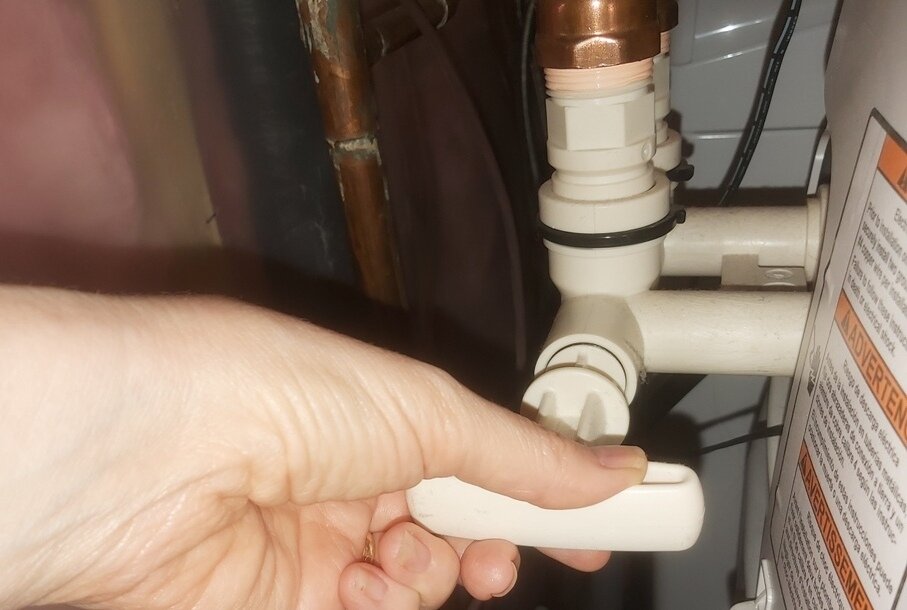
The valve has three positions: service, bypass, and closed. In the service position, water flows through the softener for softening. In the bypass position, water flows around the softener, staying hard. The closed position stops water flow completely.
This valve helps users keep water running while fixing or cleaning the softener. It also protects the system from damage during repairs. Knowing the valve’s position is important for proper water softener use.
Credit: www.watersmartsystems.com
Bypass Valve Positions
The bypass valve on a Morton water softener can be set to three positions. Each position controls how water flows through the system.
Service Mode lets water flow through the softener. This allows the system to clean and soften the water properly. Use this mode during normal operation.
Bypass Mode stops water from entering the softener. Water flows directly to your home without treatment. Use this mode if you need to repair or service the softener.
Closed Position stops water flow entirely. This shuts off water to your home. Use this mode only if you want to stop water completely.
How To Adjust The Bypass Valve
Turn the bypass valve handle slowly to adjust water flow. Align the valve position with the desired setting: service for normal use, bypass to stop water softening, or recharge during regeneration. Check that the valve is firmly seated to prevent leaks. Use gentle force to avoid damage.
Before adjusting, turn off the water supply. Place a bucket or towel nearby to catch any drips. Make sure hands are dry to avoid slipping. Keep children away from the area during adjustment.
After setting the valve, turn water back on slowly. Watch for leaks or unusual sounds. If found, turn off water and re-check valve position. Repeat until secure.
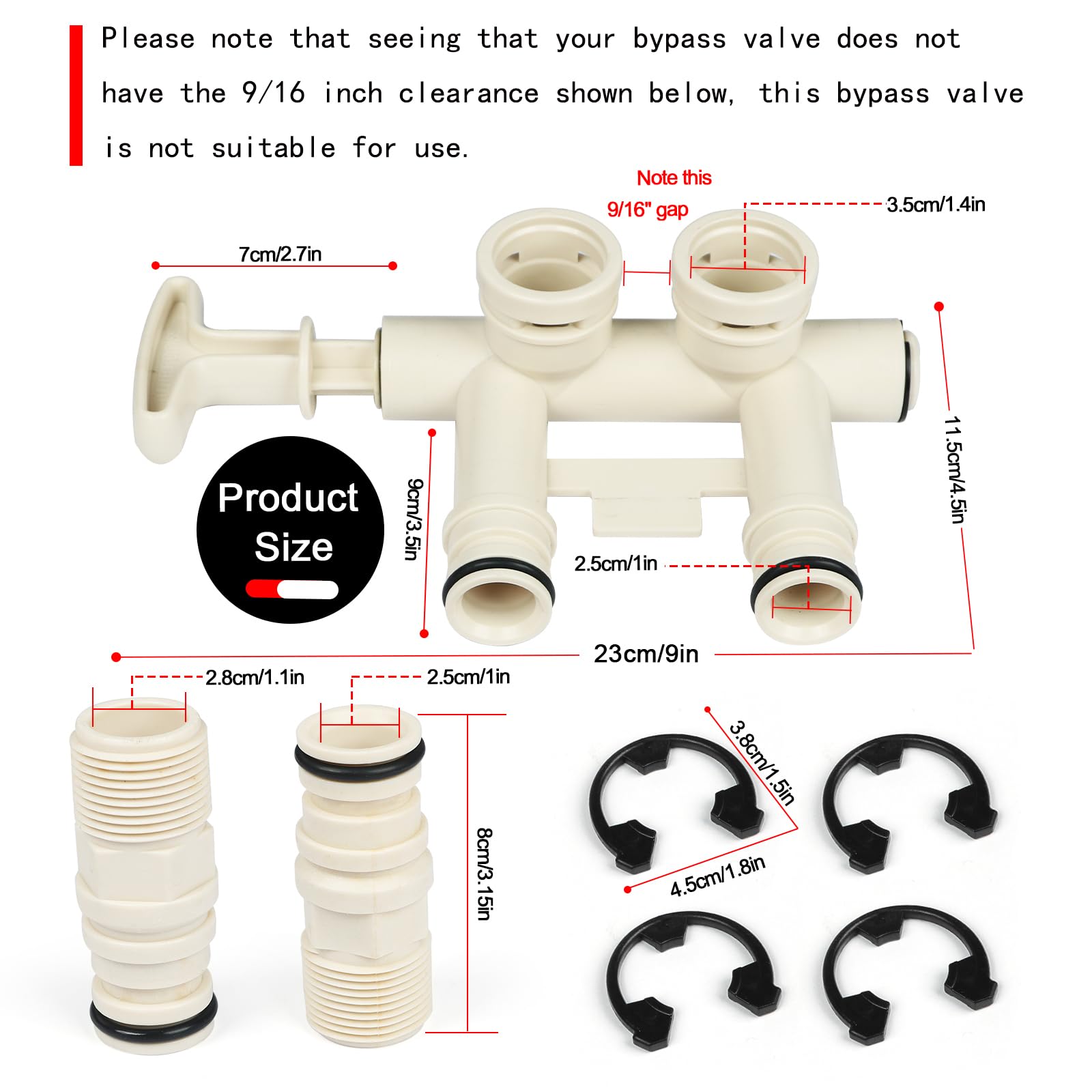
Credit: www.histamineintolerance.org.uk
Common Issues And Solutions
Valve leaks often happen due to loose fittings or worn-out seals. Tightening screws or replacing seals usually fixes this problem. Proper water flow is important for the valve to work well. If water flow is too low or too high, check the valve position and adjust it carefully. Sometimes, dirt or debris blocks the valve, causing improper flow. Cleaning the valve parts can help.
A stuck or hard-to-turn valve often means the valve is rusty or has mineral build-up. Use a lubricant safe for plumbing parts to ease the movement. Do not force the valve, as this can cause damage. Regular maintenance keeps the valve working smoothly and lasts longer.
Maintenance Tips
Check the bypass valve regularly to spot leaks or cracks. Keep the valve clean by wiping it with a soft cloth and mild soap. Dirt can cause the valve to stick or not close fully. Replace the valve if it feels hard to turn or leaks water. A faulty valve can let water bypass the softener, lowering water quality. Always turn off the water supply before cleaning or replacing the valve. Regular care helps the Morton water softener work well and last longer.
Troubleshooting Guide
No water softening often means the bypass valve is open. This lets hard water flow without treatment. Check if the valve is in the service position. If it is on bypass, switch it back to service to start softening.
Water bypass problems can cause leaks or poor water flow. Make sure the valve is tight and correctly aligned. Loose or damaged parts block water or let it leak out. Inspect the valve for cracks or broken seals.
Pressure drops happen when water flow is blocked. The bypass valve might be partially closed or clogged with debris. Clean the valve and check for blockages. Proper valve position ensures smooth water flow and correct pressure.
Frequently Asked Questions
What Is The Morton Water Softener Bypass Valve Position?
The bypass valve position controls water flow through or around the softener. When open, water bypasses the softener, useful for maintenance or repairs.
How Do I Set The Morton Bypass Valve Correctly?
Turn the valve handle to align with the softener for normal operation. To bypass, rotate the handle to divert water flow around the unit.
Why Is The Bypass Valve Important For Morton Softeners?
It allows water supply without softening during maintenance. It also helps isolate the softener without shutting off the main water.
Can Bypass Valve Position Affect Water Hardness?
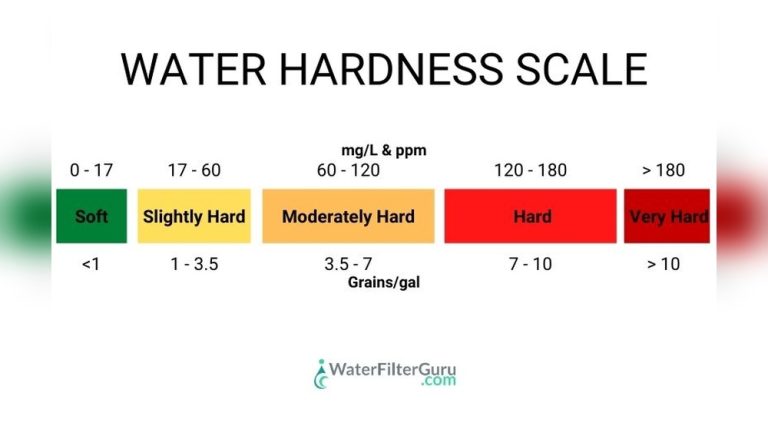
Yes, when in bypass mode, water does not pass through the softener, resulting in hard water supply.
Conclusion
Setting the Morton water softener bypass valve correctly keeps your system working well. It helps control water flow during maintenance or repairs. Knowing the right valve position prevents hard water from entering your home. It also protects your softener from damage.
Check the valve position often to avoid water issues. Simple steps make your water softener last longer. Care and attention bring better water quality every day. Keep your system running smoothly with the right valve use.