
Is your water softener acting up and leaving your water hard and spotty? You rely on it every day to keep your water clean and gentle on your skin, clothes, and appliances.
When it stops working, it’s frustrating and confusing. But don’t worry—you’re not alone, and fixing it might be easier than you think. You’ll discover simple steps you can take right now to get your water softener back on track. Keep reading to save time, avoid costly repairs, and enjoy soft water again.
Check Power Supply
Checking the power supply is the first step if your water softener stops working. Without power, the system cannot operate or regenerate properly. Ensuring the unit is receiving electricity helps avoid unnecessary repairs or replacements. This section guides you through simple checks to confirm the power supply is stable and functional.
Inspect Electrical Connections
Start by unplugging the water softener from the outlet. Look for any loose or damaged wires at the plug and socket. Make sure the cord is intact with no cuts or frays. Sometimes, dust or dirt can block the connection, so clean the plug and outlet gently. Firmly reinsert the plug and test the outlet with another device to confirm power flow.
Verify Control Panel Display
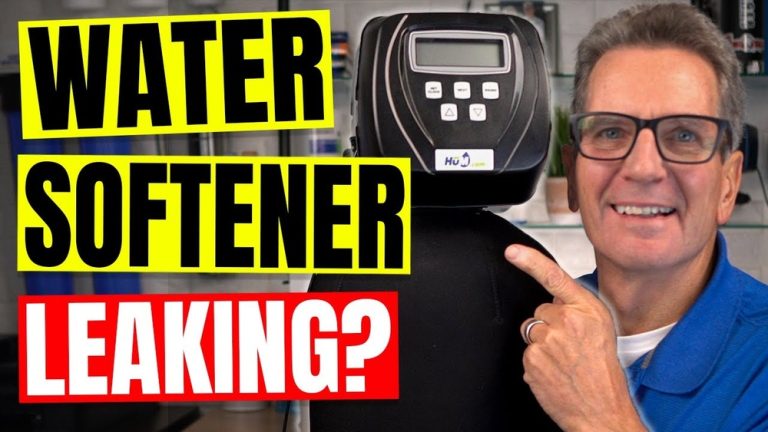
Check the control panel on the water softener for any lights or display messages. A blank screen or no lights often means no power is reaching the system. If the display shows error codes, note them down for troubleshooting. Reset the system by unplugging it for a few minutes and then plugging it back in. The control panel should light up and show normal operation signs.
Credit: www.countrysideph.com
Examine Salt Levels
Examining salt levels is a key step when your water softener stops working. Salt helps the softener remove hard minerals from water. Without enough salt, the system cannot clean the water properly.
Checking salt levels is simple. It helps avoid common problems and keeps your softener running smoothly. Below are important tips to check and maintain salt levels for best performance.
Check Salt Tank
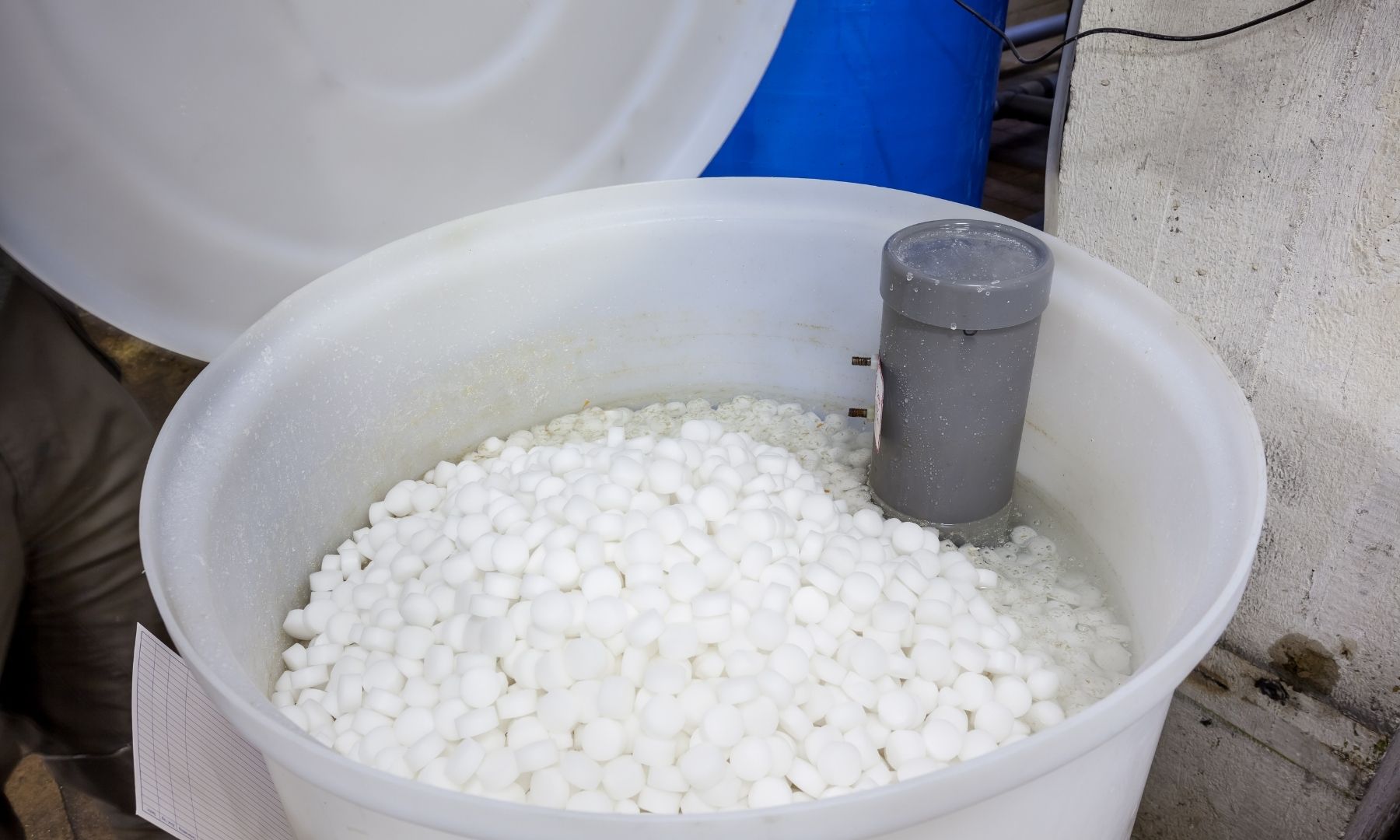
First, open the salt tank lid. Look inside to see how much salt is left. The tank should have salt above the water level. If salt is low or missing, the softener cannot recharge properly.
Clear any salt bridges or clumps. Salt can form hard crusts that block the system. Break up these clumps with a broom handle or similar tool. This lets the salt dissolve evenly in water.
Refill the tank with salt pellets or crystals designed for water softeners. Avoid using table salt or other types not made for softeners. Check salt levels regularly, about once a month.
Choose The Right Salt Type
Use high-purity salt for your softener. Common types include solar salt, evaporated salt, and rock salt. Solar and evaporated salts are cleaner and work better. Rock salt may contain more impurities that harm the system.
Salt pellets are the most popular choice. They dissolve slowly and prevent clogs. Avoid salts with additives or anti-caking agents, as they can damage your softener.
Quality salt keeps the softener efficient and extends its life. Always buy salt recommended by your softener’s manufacturer.
Inspect For Salt Bridges
Inspecting for salt bridges is an important step if your water softener stops working. Salt bridges happen when salt inside the tank forms a hard crust. This crust blocks water from reaching the resin beads that soften the water. Identifying and breaking up these salt bridges can help restore your softener’s function quickly.
Identify Salt Crust Formation
Open the salt tank lid carefully. Look inside for a hard, solid layer of salt. This layer may look like a thick crust or a solid block. It usually forms above the water level. The salt beneath the crust may still look normal and loose. If you notice this hard layer, it is a salt bridge. This crust stops the salt from dissolving properly.
Break Up Salt Bridges Safely
Use a long stick or broom handle to break the salt bridge gently. Avoid using sharp tools that can damage the tank. Tap the crust lightly until it breaks apart. Do not force it too hard or you may harm the softener. Once broken, remove large chunks carefully. This will allow salt to mix with water again. Clean the area around the tank lid before closing it.
Clean The Resin Tank
Cleaning the resin tank is a key step to fix a water softener that stops working well. The resin beads inside the tank help remove hardness from water. Over time, these beads can get dirty or clogged. This lowers the softener’s ability to clean the water. Regular cleaning keeps your water softener working strong and your water feeling smooth.
Recognize Resin Fouling Signs
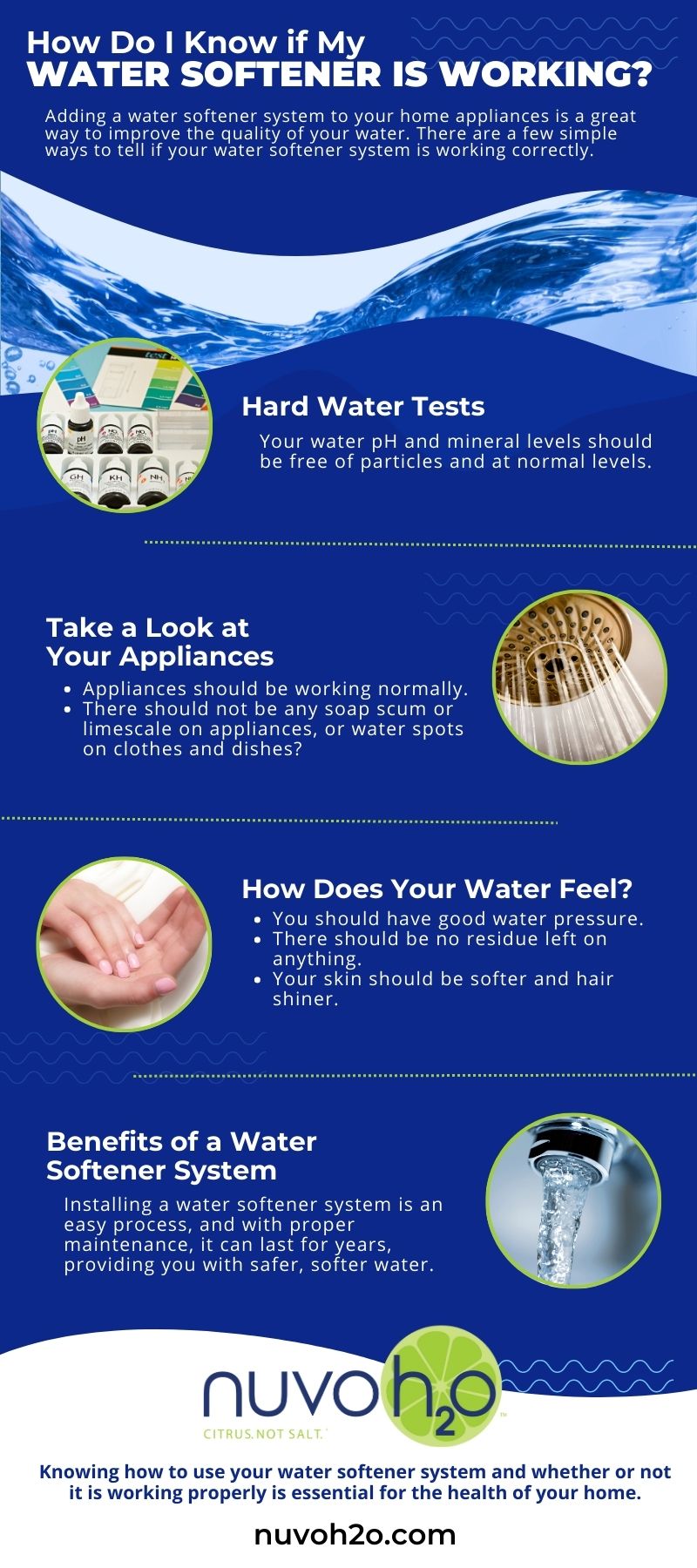
Resin fouling happens when dirt, iron, or other minerals cover the beads. It makes the beads less effective. Watch for signs like hard water spots on dishes or clothes. Water may feel rough or leave stains. Your water softener might use more salt but still not soften the water well. These signs show the resin beads need cleaning.
Steps To Clean Resin Beads
Start by turning off the water softener and unplugging it. Next, open the resin tank carefully. Remove the resin beads using a scoop or bucket. Rinse the beads with clean water to wash away loose dirt.
Use a resin cleaner designed to remove iron and scale. Follow the product instructions to soak the beads properly. After soaking, rinse the beads again with fresh water. Place the cleaned beads back in the tank.
Close the tank securely and turn on the water softener. Run a regeneration cycle to refresh the system. This helps the resin beads work at their best again. Regular cleaning keeps your water soft and your system lasting longer.
Check Water Pressure
Checking the water pressure is a key step if your water softener is not working. Water pressure affects how well the softener cleans and treats your water. Low or high pressure can cause the softener to stop working properly. Testing and adjusting the pressure can often solve the problem quickly.
Measure Incoming Water Pressure
First, measure the water pressure entering your home. Use a pressure gauge attached to an outdoor faucet or a water line. Normal water pressure usually ranges from 40 to 60 psi. If the pressure is below 40 psi, the softener might not work well. Pressure above 80 psi can damage the system.
Adjust Pressure Settings
Next, adjust the pressure settings on your water softener if needed. Some models have a built-in pressure regulator. Turn the regulator to increase or decrease the pressure. If your home’s water pressure is too high, consider installing a pressure-reducing valve. Proper pressure helps the softener run smoothly and last longer.
Credit: www.simplewatersofteners.com
Reset The System
Resetting the water softener system can fix many common problems. It clears errors and refreshes the system settings. This step often restores normal operation quickly. Follow these simple actions to reset your water softener.
Perform A Manual Regeneration
Manual regeneration forces the softener to clean its resin beads. This process removes hard minerals trapped inside. Find the control panel on your softener unit.
Press the button labeled “Regenerate” or “Manual Regen.” Wait for the cycle to complete. This can take about 1 to 2 hours.
After regeneration, check if the water feels softer. Manual regeneration often solves issues caused by mineral buildup.
Restart The Softener Unit
Turn off the water softener by unplugging it or switching off the power. Wait 1 to 2 minutes before turning it back on.
This simple restart helps clear minor electronic glitches. Power resets the system and reloads the settings.
Once restarted, watch for error lights or unusual sounds. This step can bring your softener back to normal quickly.
Inspect Valves And Settings
Checking the valves and settings is a key step if your water softener stops working. Valves control the flow of water through the system. Settings manage how and when the softener runs. Problems in these areas often cause the unit to fail. Careful inspection can help identify simple fixes you can do yourself.
Verify Bypass Valve Position
The bypass valve lets water skip the softener. This valve should be fully closed for the system to treat water. If it is open or partly open, hard water flows through. Check the valve handle. Turn it so water must pass through the softener. This often solves the issue quickly.
Review Timer And Settings
Most water softeners have a timer to control regeneration. This process cleans the resin beads that soften water. Check the timer to see if it runs at the right time. The settings must match your water use and hardness level. Reset the clock or change settings if they look wrong. Proper timing keeps the softener working well.
Call Professional Help
Sometimes, a water softener stops working despite your best efforts. Calling professional help is the safest and fastest way to fix the problem. Experts have the right tools and skills to diagnose issues quickly. They can avoid damage and save you from costly repairs later.
When To Seek Expert Service
Turn to a professional if your water softener still fails after simple fixes. Strange noises, no soft water, or error lights mean a serious problem. Also, call help if you smell bad odors or see leaks. These signs show the system needs expert care. Avoid trying complex repairs yourself to prevent worsening the issue.
Choosing A Qualified Technician
Pick a technician with experience in water softener systems. Check for proper licenses and good customer reviews. Ask if they offer a warranty on repairs. A skilled technician will explain the problem and solutions clearly. Choose someone who responds quickly and works neatly. This ensures your water softener gets reliable and lasting service.
Credit: nuvoh2o.com
Frequently Asked Questions
Why Is My Water Softener Not Regenerating?
Your water softener may not regenerate due to timer issues, low salt levels, or a clogged resin bed. Check the timer settings, refill salt, and clean the resin to restore proper function.
How To Fix A Water Softener Salt Bridge?
A salt bridge forms when salt hardens above the water. Gently break the crust with a broom handle or similar tool and remove the debris to ensure salt dissolves properly.
What Causes Water Softener To Leak?
Leaks often stem from worn seals, cracked resin tanks, or loose connections. Inspect these parts and replace or tighten them to stop leaks and maintain system efficiency.
Can Low Salt Levels Stop Water Softener Working?
Yes, low salt levels prevent proper ion exchange, causing hard water issues. Regularly check and refill salt to keep your water softener working effectively.
Conclusion
Water softeners need care to work well. Check salt levels and clean the system regularly. Look for clogs or broken parts that stop softening. Reset the timer or settings if needed. Sometimes, a small fix saves big trouble. Call a professional only if problems continue.
Keep your water softener in good shape for soft, clean water every day. Simple steps make a big difference. Don’t wait too long to fix issues. Your water quality depends on it.