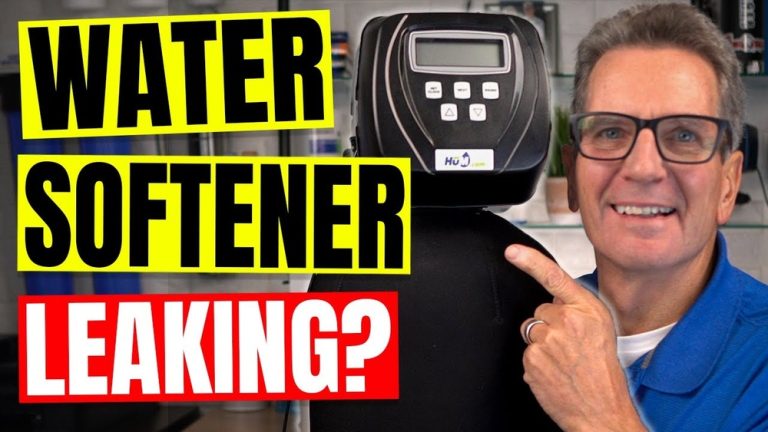

Is your water softener leaking at the bypass valve? This small drip might seem harmless, but it can lead to bigger problems if ignored.
You rely on your water softener every day, so a leak can disrupt your routine and increase your water bills. Don’t let a simple leak turn into a costly repair. You’ll discover why this leak happens, how to spot it quickly, and easy steps to fix it yourself.
Keep reading to protect your home and save money before the problem gets worse.
Common Causes Of Bypass Valve Leaks
Leaks at the bypass valve are common problems with water softeners. These leaks can cause water damage and reduce the efficiency of the softener. Understanding the main causes helps fix the problem quickly. It also prevents future leaks and saves money on repairs.
Worn Out Seals And O-rings
Seals and O-rings keep water from escaping the valve. Over time, they can wear out or become brittle. This wear creates small gaps where water can leak. Replacing these parts often stops leaks. Regular checks help catch wear early.
Loose Valve Connections
Valve connections join parts of the bypass valve together. If these connections are loose, water can leak out. Tightening them usually solves the issue. Vibrations or movements can cause connections to loosen over time.
Cracked Or Damaged Valve Components
Cracks or damage in valve parts also cause leaks. Damage can happen from age, pressure, or impact. Cracked components let water escape easily. Replacing damaged parts is necessary to stop leaks and protect the system.

Credit: www.reddit.com
How To Identify A Leak At The Bypass Valve
Finding a leak at the bypass valve of your water softener is important. It stops water waste and protects your home. This section helps you spot signs of leakage and shows how to check the valve area carefully.
Signs Of Water Leakage
Look for wet spots near the water softener. Water pooling on the floor is a clear sign. You might notice dripping sounds or moisture on the valve itself. Stains or rust on the valve can also mean a leak. Sometimes, water pressure drops inside your home. These signs point to a possible bypass valve leak.
Inspecting The Bypass Valve Area
Turn off the water softener before inspection. Check all connections around the bypass valve. Feel for moisture or wetness on the valve and pipes. Use a flashlight to see hidden spots clearly. Tighten any loose fittings gently. Replace worn-out washers or seals. Watch carefully for small drips. A slow leak can cause big problems over time.
Quick Fixes For Bypass Valve Leaks
Leaks at the bypass valve of a water softener can cause water waste and damage. Quick fixes help stop leaks fast and keep your system working well. These simple steps require only basic tools and little time.
Tightening Loose Connections
Loose connections often cause leaks at the bypass valve. Use a wrench to gently tighten all nuts and fittings. Do not overtighten, as this may cause damage. Check if the leak stops after tightening.
Replacing Seals And O-rings
Seals and O-rings wear out over time and cause leaks. Turn off the water and remove the bypass valve. Inspect the seals and O-rings for cracks or damage. Replace them with new parts that fit your model. Reassemble the valve and check for leaks.
Using Plumber’s Tape For Minor Leaks
Plumber’s tape helps seal minor leaks in threaded connections. Remove the valve and wrap the threads with tape. Wrap it clockwise to match the thread direction. Reattach the valve tightly. This simple fix often stops small leaks quickly.
When To Replace The Bypass Valve
Knowing when to replace the bypass valve is crucial for a water softener. A leaking valve can cause water damage and reduce the system’s efficiency. Timely replacement saves money and prevents bigger problems. Look for signs that the valve no longer works properly. Act quickly to keep your water softener running smoothly.
Assessing Valve Damage
Check the valve for cracks, corrosion, or worn-out parts. Small leaks or drips mean the valve may be failing. Feel around the valve for moisture or water buildup. If the valve handle is hard to turn or stuck, it needs attention. Look inside for mineral buildup that blocks water flow. Damage beyond simple cleaning means replacement is necessary.
Choosing The Right Replacement Valve
Match the new valve with your water softener model. Use the exact size and type to ensure proper fit. Choose valves made from durable, corrosion-resistant materials. Select a valve with easy-to-use handles and clear markings. Buying from a trusted brand helps ensure quality. Keep the manual handy for installation instructions. Proper choice avoids leaks and keeps your system efficient.
Preventive Tips To Avoid Future Leaks
Preventing leaks at the bypass valve of your water softener saves time and money. Small issues can turn into big problems without care. Follow these simple tips to keep your system leak-free and working well.
Regular Maintenance Routine
Check the bypass valve often for any signs of wear or damage. Clean the valve parts to stop dirt buildup. Replace worn-out washers and seals right away. Regular checks help catch leaks early before they grow worse.
Proper Installation Practices
Make sure the bypass valve is installed correctly. Use the right tools and follow the manufacturer’s instructions. Tighten connections firmly but avoid over-tightening. Proper installation reduces the risk of leaks and keeps water flowing smoothly.
Monitoring Water Pressure Levels
Keep an eye on your home’s water pressure. High pressure can strain the bypass valve and cause leaks. Use a pressure gauge to check regularly. Install a pressure regulator if the pressure is too high. Stable pressure helps protect your water softener system.

Credit: www.youtube.com
Tools And Materials Needed For Repairs
Fixing a water softener leaking at the bypass valve requires some tools and parts. Having the right items ready makes the repair easier and faster. This section lists the essential tools and replacement parts. These will help you handle the job confidently and correctly.
Basic Plumbing Tools
Start with basic plumbing tools for any leak repairs. A wrench set is crucial to loosen and tighten valve nuts. Pipe cutters help remove damaged pipe sections cleanly. Screwdrivers allow you to open valve covers and control panels. A plumber’s tape seals threads to prevent leaks. Have a bucket ready to catch water during repairs.
Seal And Valve Replacement Parts
Leaking often happens due to worn seals or faulty valves. Replacement rubber seals or O-rings fit inside the bypass valve. These stop water from escaping. A new bypass valve may be needed if the old one is broken. Check the model number of your water softener before buying parts. Using correct parts ensures a proper, leak-free fit.
Safety Precautions During Repairs
Repairing a water softener leaking at the bypass valve requires care. Safety is the top priority. Taking proper precautions helps avoid accidents and damage. Follow these steps before starting any repair work.
Shutting Off Water Supply
First, turn off the main water supply. This stops water flow and prevents flooding. Locate the shut-off valve near the water softener. Close it completely before opening any parts. Drain any remaining water from the system. This reduces pressure and spills during repair.
Handling Tools Safely
Use the right tools for the job. Wear gloves to protect your hands. Avoid using damaged or rusty tools. Keep tools organized to prevent slips and injuries. Work slowly and carefully to avoid mistakes. Always keep your workspace clean and dry.
Credit: whirlpoolwatersolutions.zendesk.com
Frequently Asked Questions
Why Is My Water Softener Leaking At The Bypass Valve?
A leak at the bypass valve usually indicates worn or damaged seals. Tightening or replacing the valve seals often stops the leak. Regular maintenance prevents valve deterioration and leakage.
How Can I Fix A Leaking Bypass Valve On Water Softener?
First, turn off the water supply to the softener. Then, tighten the valve connections. If leaking persists, replace the bypass valve seals or the entire valve assembly.
What Causes Bypass Valve Leaks In Water Softeners?
Bypass valve leaks are caused by worn seals, loose fittings, or cracked valve bodies. Hard water buildup and aging components also contribute to leaks. Regular inspection helps catch issues early.
Can A Bypass Valve Leak Damage My Water Softener?
Yes, leaks can cause water damage and reduce softener efficiency. Persistent leaks may lead to internal corrosion or mechanical failure. Prompt repair protects your softener and home.
Conclusion
A leaking bypass valve can cause water softener problems fast. Fixing it early saves water and stops damage. Check the valve for cracks or loose parts. Tighten connections to stop leaks. Regular care keeps your softener working well. Don’t let small leaks turn into big issues.
Take action soon for clean, soft water at home.