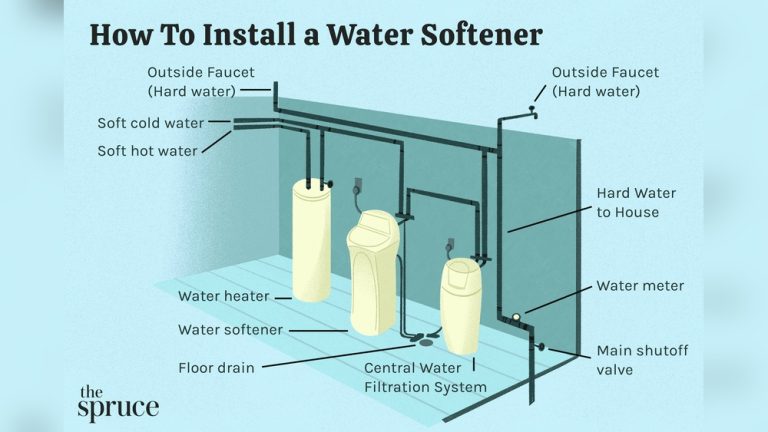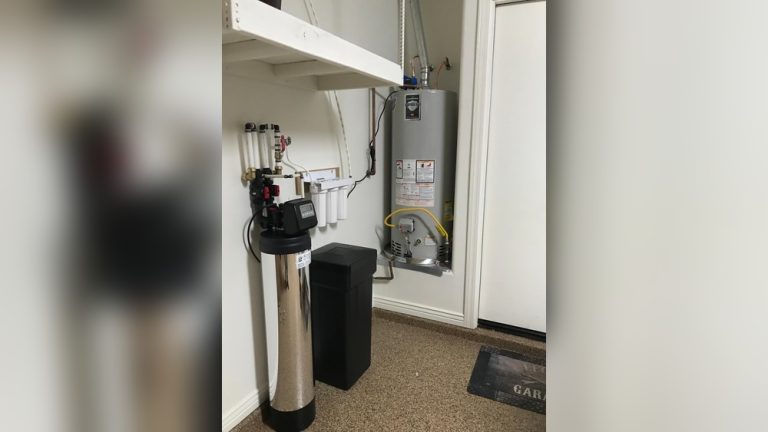

Are you thinking about installing a water softener in your home? Before you start, there’s an important question you need to answer: do you need a permit to install it?
This might seem like a small detail, but skipping this step can lead to costly fines or even having to remove the system later. You’ll discover exactly when a permit is required, how to get one if needed, and what to watch out for during installation.
Keep reading to avoid surprises and make sure your water softener works smoothly and legally.
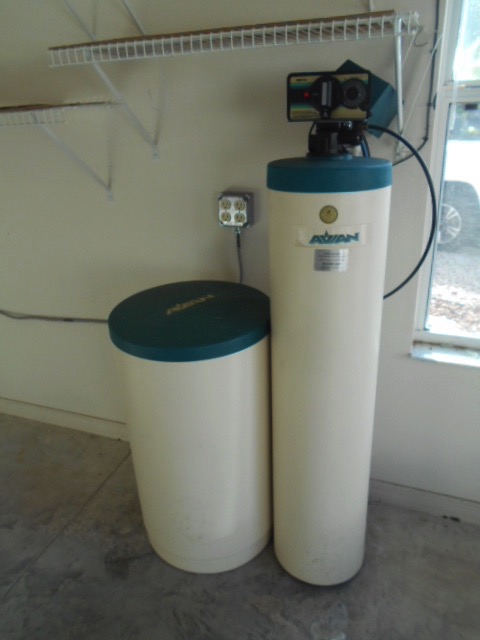
Credit: www.howtolookatahouse.com
Permit Requirements For Water Softeners
Installing a water softener may require a permit in some areas. These rules protect your home’s plumbing and local water supply. Knowing the permit requirements helps avoid fines and delays.
Local Regulations And Codes
Each city or county sets its own rules for water softeners. Local building codes control plumbing work and water treatment devices. Check with your local building department before starting installation.
Rules may vary widely depending on where you live. Some places have strict guidelines to prevent water contamination. Others have fewer restrictions but still require basic safety measures.
When Permits Are Mandatory
Permits are often needed for new installations or major plumbing changes. Adding a water softener to an existing system might require approval. Work involving electrical connections or drainage may also need permits.
Professional installers usually know when permits are required. They can help you get the right approvals before work begins. This ensures the installation meets safety and code standards.
Exceptions To Permit Rules
Minor repairs or replacements may not need a permit.
Some local laws allow homeowners to install small water softeners without approval. Always confirm with your local authority to avoid problems.
Temporary or portable water softeners often fall outside permit rules. These units do not connect permanently to plumbing. Still, proper use and maintenance remain important for safety.

Credit: wattersplumbing.com
Benefits Of Getting A Permit
Getting a permit to install a water softener offers clear advantages. It helps keep the process safe and legal. Plus, it protects your home’s value. Understanding these benefits makes the permit worth the effort.
Ensuring Safety Standards
A permit ensures the installation follows safety rules. Experts check the work to prevent leaks or damage. It reduces risks to your water supply and home. Safe installation means fewer problems later.
Avoiding Legal Issues
Installing without a permit can cause legal troubles. Authorities may fine or require removal of the system. A permit shows you follow local laws. It keeps your project trouble-free and approved.
Protecting Property Value
A permitted water softener adds value to your home. Future buyers trust installations done with permits. It proves the system is safe and up to code. This can make selling your home easier and faster.
How To Apply For A Permit
Applying for a permit to install a water softener is a straightforward process. It involves contacting the right authority, preparing the needed documents, and following the approval steps. Knowing these steps helps you avoid delays or fines.
Finding The Right Authority
Start by identifying the local office that handles water permits. This could be your city’s building department or water management agency. Visit their website or call them to confirm if you need a permit. Each area has different rules.
Necessary Documentation
Gather all documents before applying. This usually includes a completed application form, proof of property ownership, and a detailed plan of the water softener installation. Some places might ask for technical specifications or plumber licenses.
Typical Approval Process
Submit your application to the right office, either online or in person. The authority reviews your documents and checks if your plan meets local codes. They may schedule an inspection. Approval times vary but often take a few weeks.
Diy Installation Vs Professional Help
Deciding between installing a water softener yourself or hiring a professional is important. Both options have pros and cons. Understanding these helps you make a safe and smart choice. This section explores the risks of doing it without a permit and the benefits of expert help.
Risks Of Installing Without A Permit
Installing a water softener without a permit can cause problems. Local rules often require permits to ensure safety. Ignoring permits might lead to fines or legal trouble. The installation may not meet building codes. This can cause leaks or damage. Incorrect setup can waste water or reduce system life. Fixing these issues later costs more time and money. It also risks your home’s water quality.
Advantages Of Hiring Experts
Professionals know local rules and get the right permits. They install the system correctly and safely. Experts ensure the water softener works well and lasts long. They can spot potential problems early. This saves you from future repairs and costs. Hiring pros also keeps your home warranty valid. Most importantly, it protects your family’s water quality. Experts give you peace of mind.
Costs Associated With Permits
Understanding the costs linked to permits is important before installing a water softener. These costs vary depending on your location and the rules set by local authorities. Knowing these expenses helps you plan your budget better and avoid surprises later.
Permit Fees
Permit fees are the basic charges for getting official approval. These fees can range from $50 to $300 or more. The price depends on the size of the project and the local government’s fee structure. This fee covers the cost to review your application and issue the permit.
Additional Inspection Charges
Some areas require inspections after installation. Inspectors check if the water softener is installed correctly and safely. Each inspection might cost between $75 and $200. Multiple inspections can increase the total cost. These fees ensure the work meets safety and building codes.
Common Installation Mistakes To Avoid
Installing a water softener seems simple but many make common mistakes. These errors can cause damage or extra costs. Knowing what to avoid helps the installation go smoothly. This section highlights common installation mistakes to help you save time and money.
Ignoring Permit Requirements
Many people skip checking local permit rules. Permits protect your home and water supply. Ignoring this step can cause fines or forced removal. Always check with your city or county before installing.
Permits also ensure your system meets safety rules. This keeps your water clean and safe to use. Don’t risk problems by skipping permits.
Incorrect Plumbing Connections
Wrong plumbing connections lead to leaks and poor water flow. Some connect the softener to the wrong pipe or use bad fittings. This causes damage and wastes water.
Follow the manufacturer’s guide carefully. Use proper tools and parts. Double-check all connections before finishing installation.
Improper System Placement
Placing the water softener in the wrong spot causes many issues. Avoid areas with extreme heat, cold, or direct sunlight. These conditions damage the system.
Choose a flat, dry place near the main water line. This makes installation easier and protects the unit. Good placement helps your softener work well for years.
Conclusion
Installing a water softener may need a permit. Rules vary by location and type of system. Check with your local city or county office first. Permits help ensure safety and proper installation. Skipping this step can cause fines or problems later.
Always follow local laws to avoid trouble. Taking time to get a permit protects your home and wallet. Planning ahead makes the process easier and faster. Stay informed to enjoy soft water without worries.