
Have you ever wondered what happens if you turn your water softener off? It might seem like a simple decision, but the effects on your home and daily life can be surprising.
From your skin and hair to your appliances and plumbing, your water softener plays a bigger role than you might think. Keep reading to find out exactly what changes you’ll notice and why turning it off might not be as harmless as it sounds.
Understanding this could save you time, money, and a lot of frustration.
Credit: www.thewatersoftenercentre.com
How Water Softeners Work
Water softeners help remove hard minerals from your water. Hard water contains minerals that cause problems in homes. Understanding how water softeners work shows why turning them off matters.
Role Of Hard Water Minerals
Hard water has calcium and magnesium minerals. These minerals cause scale buildup in pipes and appliances. They make soap less effective. Hard water can leave spots on dishes and skin. Removing these minerals improves water quality.
Softening Process Explained
Water softeners use a process called ion exchange. They swap hard minerals with sodium or potassium ions. Water passes through a tank with resin beads. These beads attract calcium and magnesium. The hard minerals stick to the beads, leaving soft water behind. The system regenerates by flushing the minerals away. This cycle repeats to keep water soft.
Effects Of Turning Off A Water Softener
Turning off a water softener changes how your water feels and works. Water softeners remove hard minerals like calcium and magnesium. These minerals cause many problems in homes. Without a water softener, hard water returns. This affects daily life and home systems.
Changes In Water Quality
Water becomes harder after the softener is off. Hard water leaves spots on dishes and glassware. Soap does not lather well. Skin and hair may feel dry and rough. Water taste might change too. These small changes affect comfort and cleanliness.
Impact On Appliances
Hard water causes build-up inside appliances. This build-up clogs pipes and heating parts. Dishwashers and washing machines work less well. They use more energy and may break sooner. Soft water helps appliances last longer and run better.
Effect On Plumbing
Mineral deposits build up inside pipes. Pipes may clog or narrow over time. This lowers water flow and pressure. Fixing pipes costs money and takes time. Soft water helps keep pipes clean and clear.
Short-term Vs Long-term Consequences
Turning off a water softener affects your water quality in different ways over time. Some effects appear quickly, while others develop slowly. Understanding these short-term and long-term consequences helps you decide the best approach.
Immediate Water Hardness Increase
Stopping your water softener allows hard minerals to flow into your home. You may notice spots on dishes and glassware right away. Soap might not lather well during showers or washing. Skin and hair can feel dry or rough. These changes happen fast and are easy to spot.
Potential Damage Over Time
Hard water causes scale buildup in pipes and appliances. This buildup reduces water flow and lowers appliance efficiency. Over months, appliances like water heaters may break down sooner. Pipes can clog or corrode, leading to costly repairs. Ignoring these issues risks higher bills and damage later.
When To Consider Turning Off Your Water Softener
Knowing when to turn off your water softener helps save energy and avoid damage. Some situations require a temporary shutdown to keep the system working well. Understanding these moments can protect your home and your softener.
Maintenance And Repairs
Turn off the softener before cleaning or fixing it. This prevents water leaks and keeps you safe. During repairs, the system should not run to avoid damage. Regular maintenance also needs the softener off for a short time.
Water Usage And Seasonal Needs
Lower water use in some seasons may allow turning off the softener. For example, during winter if water use drops. This saves salt and energy. In some cases, using hard water for outdoor tasks is fine. Turn the softener back on when water use increases again.
Steps To Take After Turning Off Your Softener
Turning off your water softener changes how your water feels and works. Hard water can cause spots on dishes, dry skin, and scale in pipes. Taking some steps after turning off your softener keeps your water safe and your system ready for use again.
Flushing The System
Start by flushing your plumbing system. Run cold water from all taps for several minutes. This clears out softened water and lets hard water flow through. Flushing helps remove any built-up salt or resin bits inside pipes. It also prevents sudden bursts of hard water from damaging appliances.
Monitoring Water Hardness
Check the hardness of your water regularly. Use a water test kit to measure minerals like calcium and magnesium. Hard water can leave deposits that damage your pipes and appliances. Watching hardness levels helps you know when to turn your softener back on. It also protects your home’s plumbing from long-term harm.

Credit: www.alamowatersofteners.com
Alternatives To Turning Off Your Water Softener
Turning off your water softener is not the only option to manage water quality. There are better ways to handle the situation without losing the benefits of softened water. These alternatives help you control the water softness without fully stopping the system. They keep your pipes safe and your water clean.
Adjusting Settings
Many water softeners have adjustable settings. You can reduce the level of softness without turning the system off. This helps to save salt and water during regeneration cycles. It also lowers maintenance needs and energy use. Adjusting settings lets you keep some soft water benefits while reducing costs. Check your user manual to find the best settings for your needs.
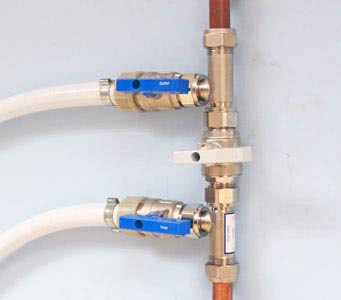
Using Bypass Valves
Bypass valves let you divert water around the softener. This option is useful during repairs or if you want hard water temporarily. It avoids shutting off the entire system. The valves are easy to operate and give you control over water flow. Using bypass valves helps prevent damage to your softener and plumbing. It also keeps water supply steady throughout your home.

Credit: www.alamowatersofteners.com
Conclusion
Turning off your water softener changes water quality quickly. Hard water returns, causing spots on dishes and skin dryness. Pipes and appliances may build up minerals faster. This can lead to costly repairs over time. Soft water helps keep your home’s water gentle and clean.
Consider the effects before switching your softener off. Maintaining it properly saves money and effort later. Water softness impacts daily life more than you think. Choose wisely to keep water comfortable and safe.