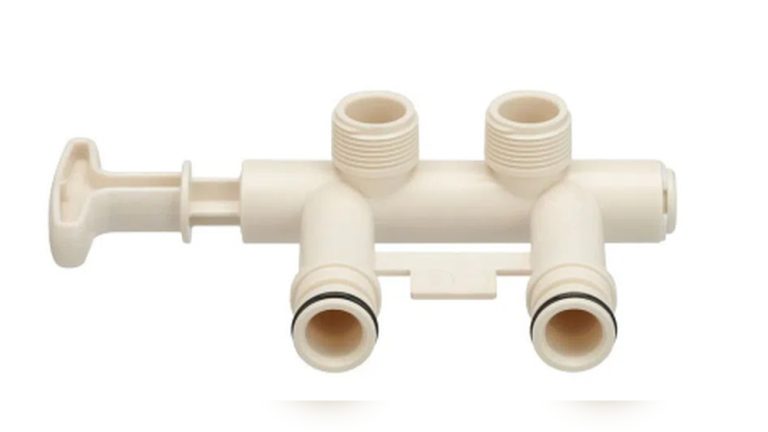

Have you ever wondered if your water softener needs cleaning? You might think it works silently without any fuss, but ignoring its maintenance can lead to hidden problems.
Cleaning your water softener isn’t just about keeping it looking good—it’s about protecting your home and ensuring your water stays soft and fresh. If you want to avoid costly repairs and enjoy the full benefits of soft water, you need to know when and how to clean your system.
Keep reading, and you’ll discover simple tips that can save you time, money, and frustration.

Credit: diy.stackexchange.com
Why Clean A Water Softener
Hard water leaves minerals like calcium and magnesium in your softener. These minerals build up inside the system. This makes the softener work less well and can cause damage over time. Cleaning helps remove these deposits and keeps the softener running smoothly.
Signs your softener needs cleaning include:
- Water feels hard even after softening.
- Salt in the brine tank looks clumped or crusty.
- Softener runs more often than usual.
- Water tastes or smells odd.
- Low water pressure or slow flow from taps.
How Often To Clean
The cleaning frequency depends on several important factors. Water hardness levels affect how fast the softener gets dirty. Harder water means cleaning is needed more often. The size of the water softener also matters. A smaller unit may need cleaning more frequently than a larger one. Water usage plays a role too. Higher water use can cause faster buildup inside the system.
Here is a simple table to help decide how often to clean your water softener:
| Factor | Cleaning Frequency |
|---|---|
| Soft Water (low hardness) | Every 6-12 months |
| Hard Water (high hardness) | Every 3-6 months |
| High Water Usage | Every 3 months |
| Low Water Usage | Every 9-12 months |
Step-by-step Cleaning Process
Gather a bucket, mild detergent, garden hose, and gloves.
Turn off the water supply before starting to drain the softener.
Open the drain valve and let all water flow out completely.
Check inside the tank for any dirt, salt buildup, or damage.
Use a soft cloth with detergent to clean the resin tank walls gently.
Rinse the tank well using a garden hose to remove all soap.
Close the drain valve tightly and refill the tank with clean water.
Turn on the water supply and let the softener start working again.

Credit: www.thespruce.com
Using Cleaning Agents
Water softeners need cleaning to work well. Special cleaners help remove salt and minerals inside. Use cleaners made for softeners only. Salt-based cleaners help clear salt build-up. Resin cleaners clean the resin beads inside the tank.
Check the cleaner label to be sure it is safe. Avoid harsh chemicals that can damage your system. Follow the instructions on the cleaner package carefully.
Safety first. Always wear gloves and eye protection. Keep cleaners away from children and pets. Use cleaners in a well-ventilated area to avoid fumes. Rinse the softener well after cleaning to remove any leftover chemicals.
Maintaining Your Water Softener
Check the salt level in your water softener regularly. Salt helps the system to work well. Low salt means it cannot clean hard water properly. Keep the salt tank at least half full. Use only the right type of salt made for water softeners.
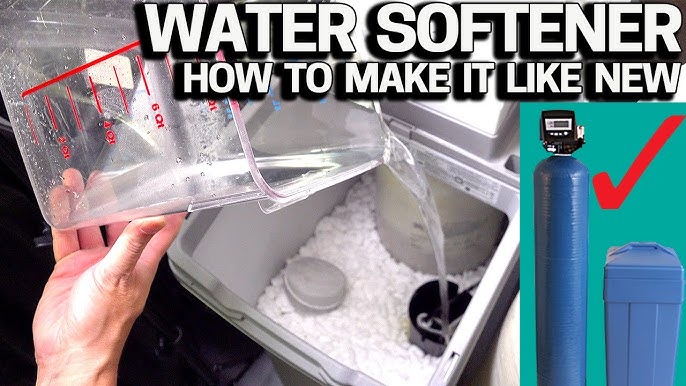
Clean the salt tank once a year. Remove any salt clumps or sludge that build up inside. This stops blockages and keeps water softener working smoothly.
To extend your water softener’s life, avoid using too much detergent. Too much soap can cause problems inside the system. Also, fix leaks quickly to prevent damage.
Flush the system every few months. This removes dirt and minerals. It helps the softener stay clean and last longer.
Common Problems And Solutions
Clogging issues often happen when dirt or small particles block the softener’s parts. This can stop the water from flowing well and cause poor softening. Cleaning the resin tank and filters can fix this problem quickly.
Resin bead wear means the tiny beads inside the softener get old or break. These beads help catch hard minerals. When worn out, they do not work well. Replacing the resin beads every few years keeps your softener working properly.
Salt bridges and mushing happen when salt hardens inside the tank. This creates a crust or thick layer that stops salt from dissolving. It makes the softener stop working right. Breaking up the salt and cleaning the tank helps to avoid this issue.
Credit: www.youtube.com
Frequently Asked Questions
How Often Should I Clean My Water Softener?
You should clean your water softener every 3 to 6 months. Regular cleaning prevents salt buildup and resin fouling. This helps maintain optimal performance and extends the unit’s lifespan. Check your manufacturer’s guidelines for specific cleaning schedules.
What Happens If I Don’t Clean My Water Softener?
If not cleaned, your water softener may clog and reduce efficiency. Salt bridges and resin damage can occur. This leads to hard water issues and costly repairs. Regular cleaning keeps your system working properly and protects your plumbing.
Can I Clean My Water Softener Myself?
Yes, most water softeners can be cleaned by homeowners. Follow the manufacturer’s instructions carefully for safe cleaning. Use recommended cleaning agents and tools. If unsure, consider professional maintenance to avoid damage.
What Signs Indicate My Water Softener Needs Cleaning?
Signs include reduced water softness, salty taste, or salt crusts in the brine tank. You may also notice water spots or soap scum. These symptoms suggest salt buildup or resin issues needing cleaning or inspection.
Conclusion
Cleaning your water softener keeps it working well and lasts longer. Regular maintenance stops buildup and improves water quality. Check your system often and clean it when needed. This simple step saves money and avoids problems later. Clean water means better health for your home.
Don’t ignore your softener; care helps it do its job right. Small effort, big difference. Keep your water softener clean and enjoy soft, clear water every day.