
Is your Culligan water softener making your water pressure drop? You’re not alone, and it can be really frustrating when your showers feel weak or your faucets barely trickle.
Low water pressure doesn’t just annoy you—it affects your daily routine and the efficiency of your whole home’s water system. But the good news is, understanding why this happens and how to fix it is easier than you think. Keep reading to find out what might be causing your Culligan water softener to lower your water pressure—and how you can get your water flowing strong again.

Credit: www.youtube.com
Signs Of Low Water Pressure
Low water pressure can cause many problems in your home. It affects daily tasks like showering, washing dishes, and laundry. Recognizing the signs early helps you fix the issue fast. Culligan water softeners sometimes cause water pressure to drop. Watch for these signs to know if your softener is the cause.
Knowing the signs can save time and avoid frustration. It helps you decide if a professional check is needed. Below are easy ways to spot low water pressure problems.
How To Measure Water Pressure
Measuring water pressure is simple. Use a pressure gauge, available at hardware stores. Attach the gauge to an outdoor faucet or a laundry tub faucet. Turn the water on and read the pressure on the gauge.
Normal home water pressure ranges between 40 and 60 psi. A reading below 40 psi means low pressure. Take measurements at different times to see if pressure changes.
Common Symptoms In Household Fixtures
Low water pressure shows in many ways around the house. Showers may spray weakly or unevenly. Faucets drip slowly, even when fully open. Washing machines take longer to fill with water.
Toilets may refill slowly after flushing. Garden hoses might have a weak flow. If several fixtures have low flow, the problem is likely with water pressure.

Credit: www.culligan.com
Causes Linked To Culligan Water Softeners
Culligan water softeners help improve water quality by removing minerals. Sometimes, these systems cause low water pressure. Understanding the common causes helps fix the problem quickly. Below are key issues linked to Culligan water softeners that reduce water flow.
Clogged Resin Beads
Resin beads inside the softener trap minerals from hard water. Over time, these beads get clogged with dirt and debris. This buildup blocks water flow, causing low pressure. Cleaning or replacing resin beads restores smooth water movement.
Blocked Valves And Filters
Valves control water direction in the system. Filters catch particles and prevent damage. These parts can get blocked by sediment or scale. Blocked valves and filters reduce water flow and pressure. Regular cleaning keeps them clear and working well.
Incorrect System Settings
Water softeners need proper settings to work efficiently. Wrong regeneration cycles or flow rates affect pressure. Settings that don’t match water hardness slow down water flow. Adjusting the system settings improves pressure and performance.
Troubleshooting Steps
Low water pressure from a Culligan water softener can be frustrating. Simple checks often solve the problem. Follow these troubleshooting steps to identify and fix issues quickly.
Checking The Bypass Valve
The bypass valve controls water flow through the softener. If it is partially closed, water pressure drops. Turn the valve fully to the normal position. Check for any leaks or damage. Replace the valve if it is broken or worn out.
Inspecting The Resin Tank
The resin tank softens the water using special beads. Over time, resin can clog or wear out. Look inside for any buildup or damage. Clean the resin with a recommended cleaner. Replace the resin if it looks old or damaged.
Cleaning Or Replacing Filters
Filters catch dirt and particles before water enters the home. Clogged filters reduce water flow and pressure. Remove the filters and rinse them under running water. Replace filters if they are torn or very dirty. Regular filter care keeps water pressure steady.
Maintenance Tips To Prevent Low Pressure
Maintaining your Culligan water softener helps stop low water pressure problems. Simple care steps keep water flow steady and strong. Follow these tips to keep your system working well and avoid pressure drops.
Regular System Flushing
Flush your water softener regularly to clear out dirt and minerals. This prevents build-up that can block water flow. Use clean water to rinse the system and keep pipes clear. Flushing keeps the softener clean and water pressure high.
Scheduled Resin Replacement
Resin beads inside the softener wear out over time. Old resin clogs the system and reduces water flow. Replace resin as the manufacturer suggests, usually every few years. Fresh resin helps the system work better and keeps pressure steady.
Monitoring Water Softener Performance
Check your system’s performance often. Watch for slow water flow or unusual sounds. Use simple tools or ask a professional to test pressure levels. Early detection helps fix small issues before they cause big problems.
When To Call A Professional
Low water pressure from your Culligan water softener can be frustrating. Some problems need a professional’s touch. Knowing when to call an expert saves time and prevents damage. Professionals have the tools and skills to fix issues safely and fast.
Signs You Need Expert Help
Water pressure stays low after basic checks. Strange noises come from the softener unit. Water tastes or smells odd. The system cycles on and off too often. Water softener parts look worn or broken. These signs mean a deeper problem exists. A professional can diagnose and fix these issues correctly.
Choosing The Right Service Provider
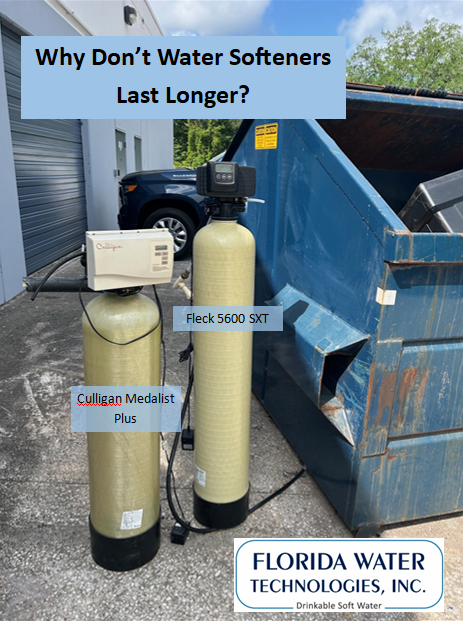
Pick a provider with experience in Culligan systems. Check for proper licenses and insurance. Read customer reviews for reliability and quality. Ask if they offer warranties on repairs. Choose someone who explains problems and solutions clearly. Good service providers save money by fixing problems right the first time.
Credit: www.floridawatertechnologies.com
Frequently Asked Questions
Why Is My Culligan Water Softener Causing Low Water Pressure?
A clogged or dirty filter in the Culligan system often reduces water flow. Mineral buildup inside the unit can also restrict pressure. Regular maintenance and timely cleaning help prevent these issues and restore normal water pressure.
How Can I Fix Low Water Pressure From My Culligan Softener?
Start by checking and cleaning the system’s filter and resin bed. Ensure the bypass valve is fully open. If problems persist, contact a professional to inspect internal components or replace worn parts for optimal pressure.
Does Water Softener Salt Type Affect Water Pressure?
Yes, using incorrect or low-quality salt can cause resin beads to clog. This buildup reduces water flow and pressure. Use recommended salt types and maintain proper salt levels to ensure smooth system operation and consistent water pressure.
Can A Malfunctioning Culligan Softener Reduce Water Pressure?
Yes, a faulty valve or control head can disrupt water flow. These parts regulate water through the system. Timely repairs or replacements fix pressure drops and improve overall water softening performance.
Conclusion
Low water pressure from a Culligan water softener can be frustrating. Checking the system for clogs or salt buildup helps. Regular cleaning keeps water flow steady and smooth. Adjusting settings may improve pressure without much effort. Small fixes often solve the problem quickly.
Keep an eye on your system’s health. This way, you enjoy soft water without pressure issues. Taking simple steps saves time and avoids costly repairs. Stay patient and attentive for the best results.