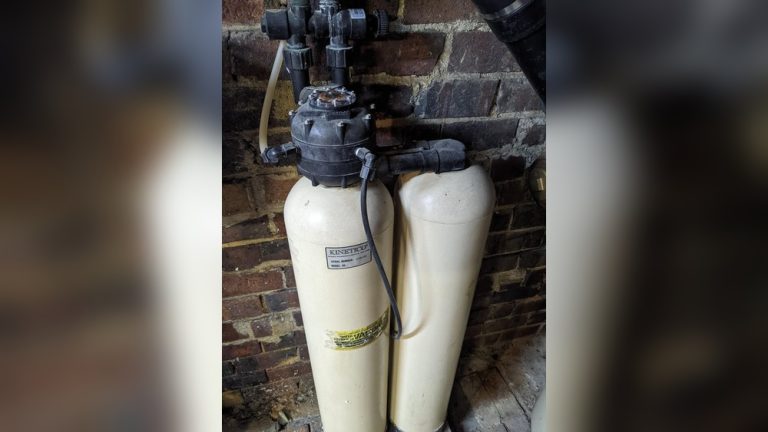

Is your water softener refusing to turn on? You rely on it every day to keep your water clean and your appliances running smoothly.
When it stops working, it can throw off your whole routine and cause frustration. But don’t worry—you’re not alone, and this problem is often easier to fix than you think. You’ll discover the common reasons why your water softener won’t start and simple steps you can take to get it back up and running fast.
Keep reading to find the solution and save yourself time and stress.
Common Reasons For No Power
When a water softener won’t turn on, the most common cause is no power. Without power, the system cannot operate or start its cycle. Checking the power source is the first step in troubleshooting the problem.
Check Power Supply
Confirm the water softener is plugged into a working outlet. Try plugging another device into the same outlet. This test shows if the outlet delivers power. Look for loose plugs or damaged cords. These can stop electricity flow to the softener.
Inspect Circuit Breaker
Locate your home’s circuit breaker panel. See if the breaker for the water softener is tripped. A tripped breaker cuts power to the unit. Switch the breaker off and then on again. This resets the breaker and may restore power.
Examine Control Board
The control board manages the softener’s functions. Check for signs of damage like burnt spots or corrosion. A faulty board can prevent the softener from turning on. Replacing the control board might be needed for power restoration.
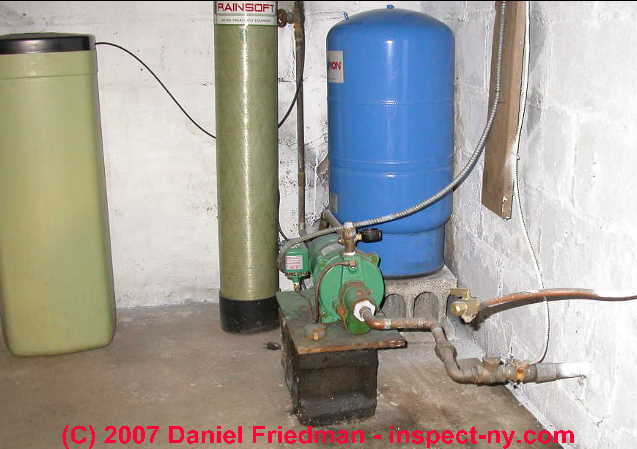
Credit: inspectapedia.com
Clogged Or Frozen Valves
Clogged or frozen valves can stop your water softener from turning on. Valves control water flow inside the system. Dirt, debris, or cold weather can block or freeze them. This stops the softener from working properly. Fixing valve problems often solves the issue quickly.
Identify Valve Blockages
Check valves for dirt or debris buildup. Turn off the water supply before inspecting. Look for signs of clogging like reduced water flow. Remove any visible dirt gently. Clear valves ensure smooth water movement inside the softener.
Thaw Frozen Components
Frozen valves usually happen in cold weather. Turn off the system and water supply first. Use warm towels or a hair dryer to thaw frozen parts. Avoid using open flames or hot water. Ensure valves are fully thawed before restarting the softener.
Clean Valve Assembly
Disassemble the valve assembly carefully. Soak parts in warm, soapy water to remove buildup. Use a soft brush to clean hard-to-reach areas. Rinse all parts well and dry before reassembling. Clean valves improve the softener’s performance and lifespan.
Salt Bridge Formation
Salt bridge formation is a common problem that stops a water softener from working. It happens when salt in the brine tank hardens and forms a solid layer. This layer blocks the water from dissolving the salt. The softener cannot recharge properly, so it won’t turn on or soften water well.
Salt bridges often form due to high humidity or using the wrong salt type. They create a gap between the salt and water, stopping the salt from mixing with water. This makes the water softener think it still has enough salt, so it skips the regeneration cycle.
Detect Salt Bridges
Check the salt level in the tank. If the salt looks high but water is low, a salt bridge may be present. Gently push a broom handle or stick into the salt. If it feels hard or you hit a solid layer, that is a salt bridge. Avoid breaking it too hard to prevent damage to the tank.
Break Up Salt Clumps
Use a broom handle or stick to carefully break the salt bridge. Push down slowly to avoid cracking the tank. Remove large clumps of salt by hand if needed. After breaking the bridge, check the water level. Add fresh salt to keep the softener working well.
Prevent Future Build-up
Use high-quality salt designed for water softeners. Avoid using rock salt or old salt that can clump easily. Keep the brine tank dry and clean. Check the salt level often and break any clumps early. Regular maintenance stops salt bridges from forming again.
Timer And Control Settings
The timer and control settings play a key role in your water softener’s operation. These settings tell the system when to start and stop the softening process. If the water softener won’t turn on, the problem may lie in these controls. Checking and adjusting them can often fix the issue quickly.
Reset Timer
Resetting the timer can clear errors and restart the cycle. First, locate the timer on the control panel. Press the reset button or unplug the device for a few minutes. Plug it back in and check if the system powers on. This simple step often fixes timer-related issues.
Adjust Regeneration Cycle
The regeneration cycle cleans the resin beads inside the softener. Incorrect cycle settings can stop the system from turning on. Open the control panel and review the cycle timing. Set the cycle to match your water usage. Save the changes and see if the system starts working again.
Verify Control Programming
Control programming controls all functions of the softener. Wrong programming can cause the system to stay off. Follow the user manual to check the settings. Make sure the date, time, and hardness level are correct. Correct programming ensures smooth operation and avoids power issues.
Water Pressure Issues
Water softeners need the right water pressure to work well. Low or uneven pressure can stop the system from turning on. Checking and fixing pressure problems helps the softener run smoothly and protect your pipes.
Measure Incoming Pressure
Use a pressure gauge to check your home’s water pressure. Attach it to an outdoor faucet or hose bib. Normal pressure ranges from 40 to 60 psi. Below this, the softener may not start. High pressure can also cause damage.
Fix Low Pressure Causes
Low pressure may come from clogged pipes or valves. Check for leaks or blockages in your plumbing. Replace old or broken parts. Clean aerators and showerheads. These steps improve pressure and help the softener turn on.
Ensure Proper Flow Rate
Water softeners require a steady flow of water to work. Flow rate depends on pipe size and pressure. Make sure valves are fully open. Avoid running multiple water appliances at once. This keeps the flow steady and the softener active.

Credit: www.culligan.com
Mechanical Failures
Mechanical failures often cause a water softener to stop working. These problems can prevent the system from turning on or running properly. Checking for mechanical issues can save time and money on repairs.
Check Motor Function
The motor powers the water softener’s key parts. Listen for sounds when the system starts. A silent motor may mean it is broken or stuck. Test the motor’s electrical connection with a multimeter. Clean any dirt or debris blocking motor parts. Replace the motor if it shows no signs of life.
Inspect Resin Tank
The resin tank holds beads that soften water. Look for cracks or leaks on the tank surface. Check if the resin beads are clumped or dirty. Clumping stops water flow and softening. Clean the tank or replace the resin beads if damaged. A faulty tank can stop the whole system.
Replace Faulty Parts
Other parts can fail and stop the softener. Valves may get stuck or seals may leak. The timer or control board can also break. Identify broken parts by testing or visual check. Order exact replacements for your softener model. Installing new parts often fixes mechanical failures fast.
Routine Maintenance Tips
Keeping your water softener working well needs regular care. Skipping maintenance can cause it to stop working or turn on. Simple steps help your system run smoothly. These tips save money and avoid repair hassles.
Regular Cleaning Schedule
Clean the brine tank every few months. Salt buildup can block the system parts. Remove old salt and dirt to keep the softener clean. Wipe the tank sides with a damp cloth. Clean parts allow water to flow freely and soften well.
Salt Level Monitoring
Check salt levels once a month. Low salt can stop the softener from turning on. Keep the salt above the water level in the tank. Use high-quality salt to prevent clumping. Proper salt helps the system work without interruptions.
Professional Servicing
Get a technician to inspect your system yearly. Pros find hidden problems early before they get worse. They clean hard-to-reach parts and test system settings. Regular service extends the life of your water softener. Experts keep your water softener running perfectly.
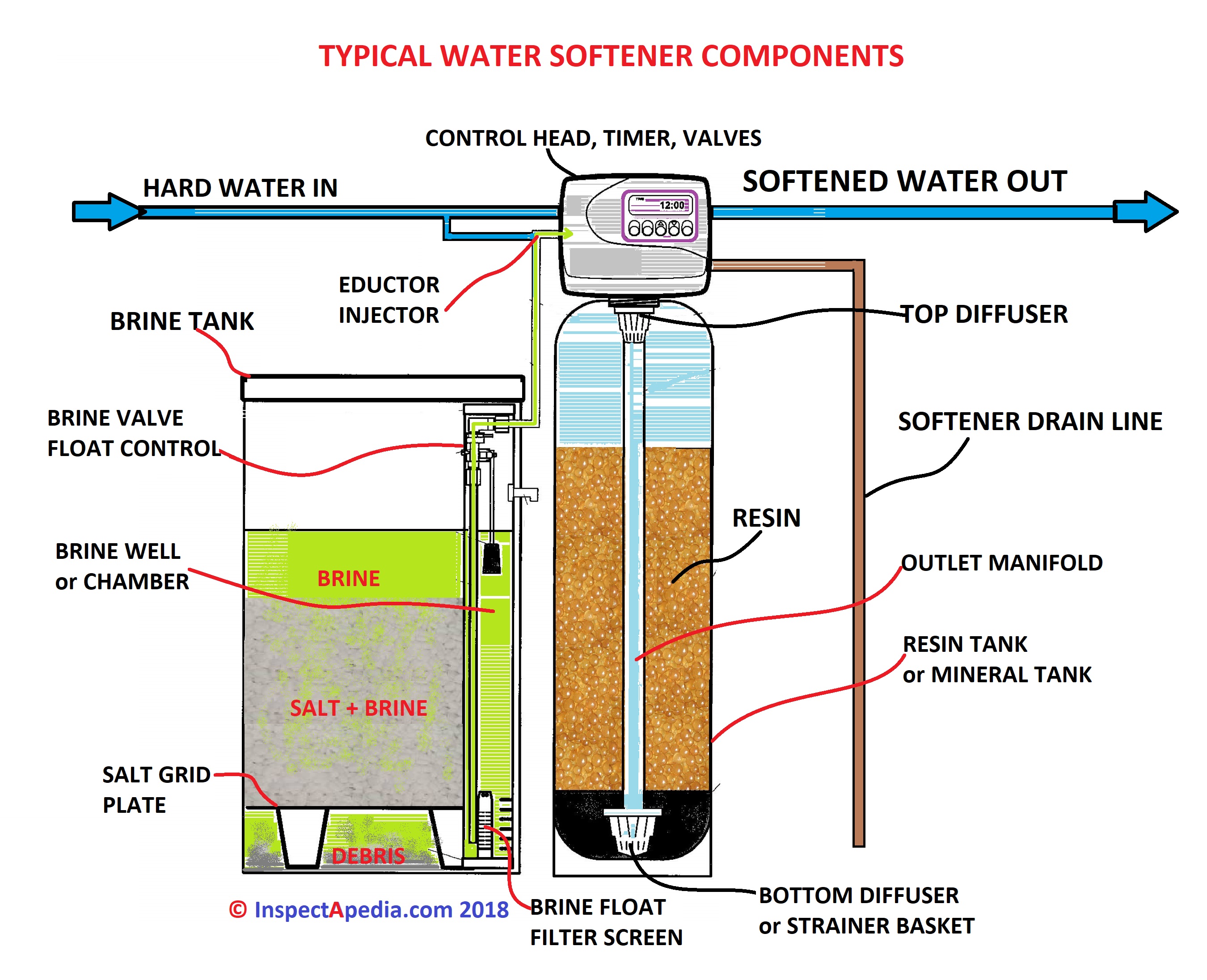
Credit: shottons.com
Frequently Asked Questions
Why Won’t My Water Softener Turn On?
Your water softener may not turn on due to power issues, a tripped circuit breaker, or a faulty timer. Check the power supply, reset breakers, and inspect control settings to resolve the problem.
How Can I Reset A Water Softener That Won’t Start?
To reset, unplug the unit, wait a few minutes, and plug it back in. Then, manually initiate a regeneration cycle to restart the softener’s operation.
What Causes A Water Softener Motor To Stop Working?
Motor failure can result from electrical faults, worn-out parts, or motor overheating. Regular maintenance and checking for obstructions help prevent motor issues and ensure smooth operation.
Can A Clogged Resin Bed Prevent Water Softener Activation?
Yes, a clogged resin bed restricts water flow, causing the softener to malfunction. Cleaning or replacing resin beads can restore normal function and prevent shutdowns.
Conclusion
A water softener that won’t turn on can cause many issues at home. Check power supply, settings, and salt levels first. Small problems often stop it from working. Regular care helps your softener run smoothly and last longer. Don’t ignore warning signs or unusual noises.
Fixing issues early saves time and money. Keep your water softener in good shape for soft, clean water every day. Simple steps make a big difference.