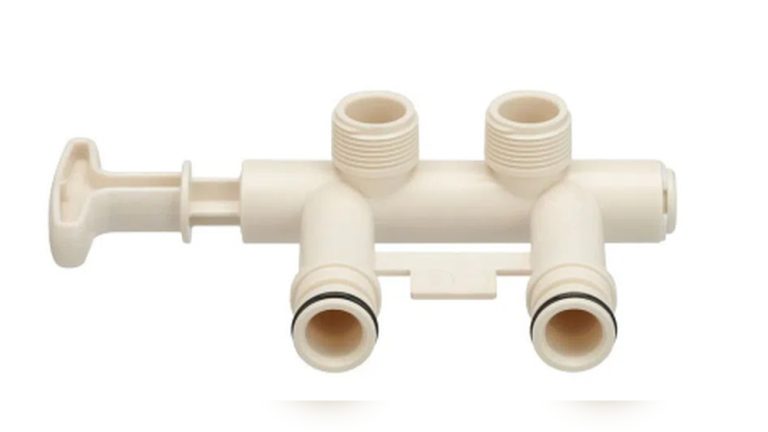

Are you noticing strange tastes in your water or spots on your dishes? Your Waterboss water softener might be having problems that are affecting your daily life.
When your softener doesn’t work right, it can lead to hard water issues that cause frustration and extra expenses. But don’t worry—understanding these common problems and how to fix them can save you time and money. Keep reading to find out what might be wrong with your Waterboss system and how you can get it back to running smoothly.
Common Waterboss Issues
Waterboss water softeners are popular for improving water quality. Yet, some common issues can affect their performance. Understanding these problems helps keep the system running smoothly.
Here are frequent Waterboss issues and what causes them.
Salt Bridging
Salt bridging happens when salt forms a hard crust inside the brine tank. This crust blocks water from dissolving the salt. The softener cannot regenerate properly. Salt bridging often occurs in humid or damp environments.
Resin Bead Problems
The resin beads inside the softener remove minerals from water. Over time, beads can wear out or get dirty. This reduces softening ability. Resin bead problems cause hard water and spots on dishes.
Control Panel Errors
Waterboss softeners use a control panel to manage cycles. Errors on the panel can stop the system. Problems include wrong settings or power issues. A faulty control panel may show error codes or stop working.
Water Pressure Drop
A drop in water pressure can signal a problem. Clogs in the system or valves may reduce flow. Low pressure affects water use in the home. Checking the softener for blockages helps restore pressure.
Leaking Tank
Leaks in the tank cause water damage and waste. Cracks or loose connections are common leak sources. A leaking tank needs quick repair or replacement. Regular inspections help catch leaks early.

Credit: www.waterboss.com
Quick Troubleshooting Steps
Troubleshooting a Waterboss water softener can feel tricky. Start with simple steps to find the problem fast. These quick checks often fix common issues without extra help.
Follow these steps carefully to keep your softener working well. Each step targets a part that may cause trouble. Take your time for the best results.
Resetting The System
Resetting the Waterboss can clear small glitches. Find the reset button on the control panel. Press and hold it for a few seconds. Wait for the system to restart. This often fixes minor errors and resets the timer.
Checking Salt Levels
Salt is key for softening water. Open the brine tank lid and look inside. The salt should be above the water level. Add more salt if it is low. Use high-quality salt for best results. Avoid salt bridges that block salt from dissolving.
Inspecting Valves And Connections
Valves and pipes can leak or block water flow. Check all connections for tightness. Look for cracks or leaks around valves. Turn valves to ensure they move freely. Fix or replace damaged parts quickly to avoid bigger problems.
Cleaning The Brine Tank
Dirt and salt build-up can cause issues inside the tank. Empty the brine tank completely. Clean it with warm water and mild soap. Rinse well to remove soap residue. Let it dry before adding fresh salt. Clean tanks help the softener work better.
Diy Repairs For Waterboss Softeners
Waterboss water softeners can face common issues over time. Many problems can be fixed at home without hiring a technician. DIY repairs save money and extend the softener’s life. Basic tools and clear instructions help solve most problems quickly.
Focus on simple fixes like salt bridges, resin beads, leaks, and control panel settings. Each repair step is easy to follow and requires no special skills. Take your time and follow safety tips to avoid damage or injury.
Fixing Salt Bridges
Salt bridges form when salt hardens inside the brine tank. This stops salt from dissolving and causes softener failure. To fix, gently break the salt crust with a broom handle. Avoid hitting the tank walls. Remove loose salt and clean the tank bottom. Add fresh salt afterward to keep the softener working well.
Replacing Resin Beads
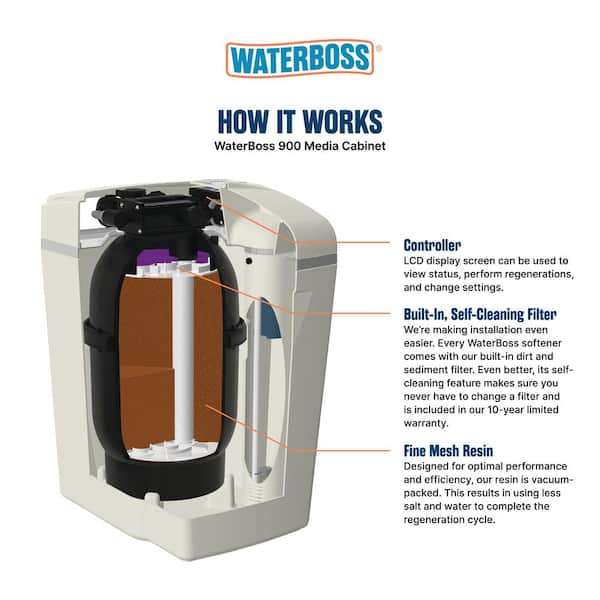
Resin beads clean hard minerals from water. Over time, beads wear out and reduce softening. Turn off water and unplug the unit before starting. Open the resin tank and scoop out old beads. Rinse the tank to remove debris. Pour new resin beads evenly inside. Close the tank and restart the system to check operation.
Repairing Leaks
Leaks waste water and damage floors. Check pipes, valves, and connections for drips. Tighten loose fittings with a wrench. Replace cracked or worn parts using compatible replacements. Use plumber’s tape on threaded joints to stop leaks. Test the softener after repair to ensure it is dry and sealed.
Calibrating The Control Panel
The control panel manages softener functions and regeneration cycles. Incorrect settings cause poor performance and high salt use. Access the panel menu and reset factory defaults if needed. Adjust hardness levels based on water test results. Set correct time and regeneration frequency. Save changes and monitor the softener for improved operation.
Credit: www.homedepot.com
Preventive Maintenance Tips
Maintaining your Waterboss water softener is key to keeping it working well. Regular care helps avoid common problems and extends the system’s life. Simple steps can keep the water softener running smoothly and protect your home’s plumbing.
Regular Salt Refills
Check the salt level in the brine tank every month. Use high-quality salt made for water softeners. Avoid letting the salt run out completely. Low salt can cause the system to stop softening water properly. Keep the salt clean and dry to prevent clumping.
Routine Cleaning Schedule
Clean the brine tank and resin tank regularly. Remove any salt bridges or sludge buildup. Use mild soap and water to clean the tanks. Avoid harsh chemicals that can damage the system. A clean system works more efficiently and lasts longer.
Monitoring Water Quality
Test the water softness every few months. Use simple test strips or kits available online. Watch for changes in water taste or texture. Hard water signs mean the softener may need attention. Early detection helps fix issues before they get worse.
Seasonal Adjustments
Adjust settings based on seasonal water hardness changes. Some areas have harder water in certain months. Follow the manufacturer’s instructions for setting changes. Proper adjustments save salt and energy. Seasonal tuning keeps water soft all year round.
When To Call A Professional
Knowing when to call a professional for your Waterboss water softener saves time and avoids damage. Some problems need expert help to fix safely and correctly. Understanding the signs helps you decide quickly. This keeps your water softener working well and your home safe.
Persistent Error Codes
Error codes on your Waterboss display show system problems. If codes stay on after resetting, call a professional. They can read the codes and find the exact issue. Trying to fix error codes without skills may cause more damage.
Major Mechanical Failures
Loud noises, leaks, or no water softening mean mechanical failure. These issues can damage your plumbing and waste salt. Experts have tools to fix or replace broken parts properly. Avoid using the softener until a professional checks it.
Complex Electrical Issues
Water softeners rely on electricity for controls and timers. Flickering displays or no power signals electrical problems. These can be dangerous without proper knowledge. A technician knows how to handle wiring and parts safely and efficiently.

Credit: www.homedepot.com
Frequently Asked Questions
What Are Common Waterboss Water Softener Problems?
Common issues include salt bridging, resin bead fouling, valve malfunctions, and regeneration failures. These problems reduce softening efficiency and water quality. Regular maintenance and cleaning help prevent these issues.
How To Fix Waterboss Water Softener Salt Bridging?
Salt bridging occurs when salt hardens and forms a crust. To fix it, carefully break the crust using a broom handle or a similar tool. Regularly check salt levels and use high-quality salt to avoid this problem.
Why Is My Waterboss Water Softener Not Regenerating?
Regeneration failure can be due to timer errors, clogged valves, or low salt levels. Check the timer settings, clean the valves, and ensure adequate salt in the brine tank for proper regeneration.
How Often Should I Clean My Waterboss Water Softener?
Cleaning every 3 to 6 months is ideal. Regular cleaning prevents resin fouling and salt buildup. Follow manufacturer instructions for cleaning to maintain optimal performance.
Conclusion
Waterboss water softeners can face common problems over time. Regular checks help keep them working well. Simple fixes often solve many issues quickly. Clean the system and check salt levels regularly. Watch for unusual noises or leaks as warning signs.
Staying alert prevents bigger repairs and saves money. Understanding these problems makes maintenance easier for you. A little care goes a long way in extending your softener’s life. Trust the process, and enjoy soft water daily without hassle.