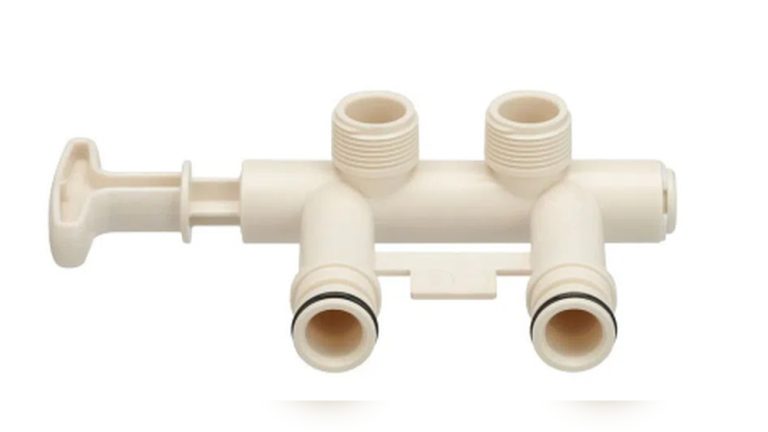

Are you facing issues with your Kinetico water softener? You’re not alone.
Even the best systems can run into problems that disrupt your water quality and daily routine. Understanding these common troubles can save you time, money, and frustration. You’ll discover what might be causing your Kinetico water softener problems and, most importantly, how to fix them quickly and easily.
Keep reading to get your water softener back on track and enjoy soft, clean water again.

Credit: kineticoutah.com
Common Kinetico Issues
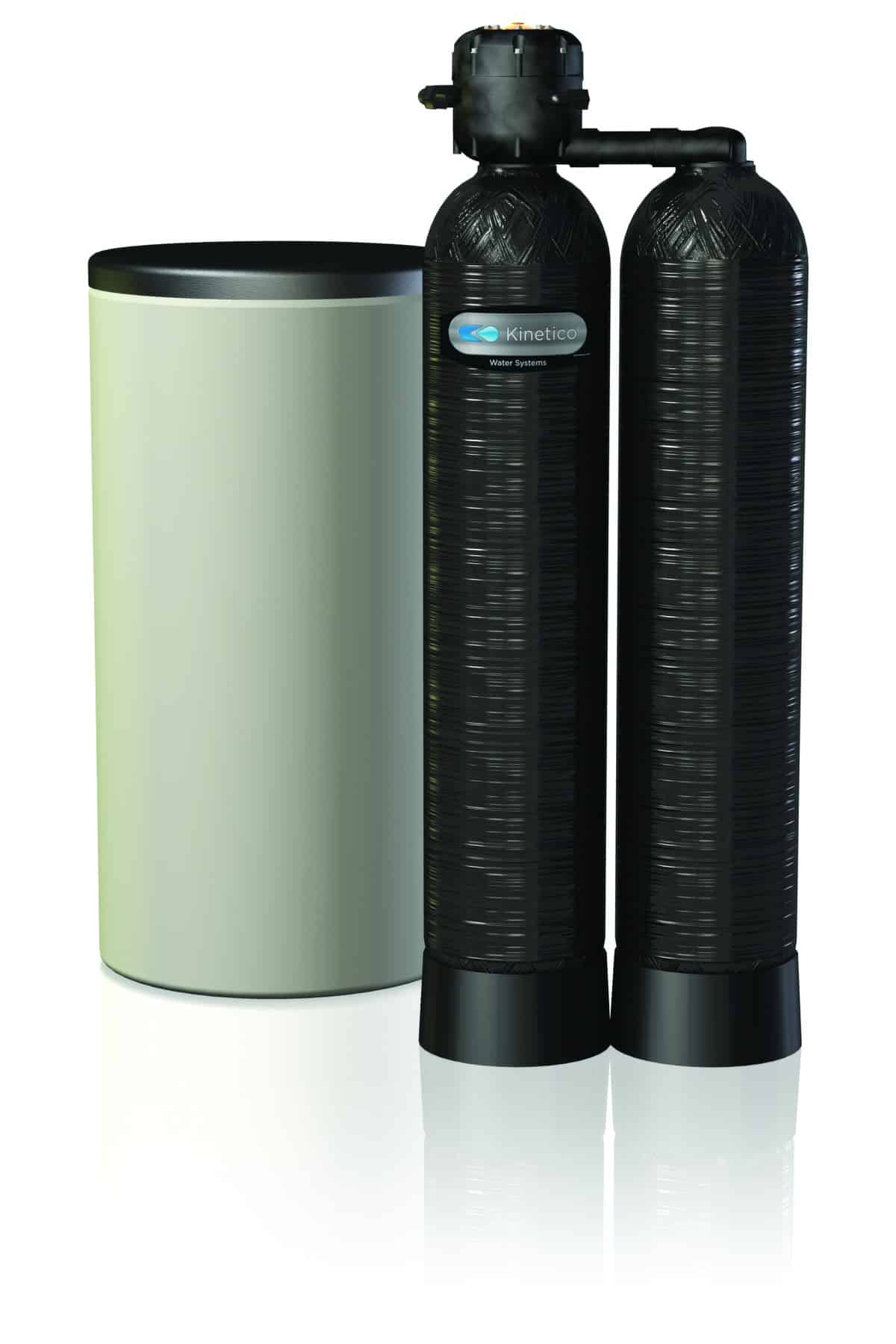
Kinetico water softeners are popular for their efficiency and durability. Yet, like all machines, they can face some common problems. These issues can affect water quality and the system’s performance. Understanding these issues helps in quick troubleshooting and maintenance.
Low Water Pressure
Low water pressure often happens due to clogged filters or pipes. Dirt and debris block water flow inside the system. Another cause can be a failing valve or a worn-out part. Regular cleaning and checking parts prevent pressure drops.
Salt Bridging
Salt bridging occurs when salt forms a hard crust inside the brine tank. This crust stops salt from dissolving in water. Without enough salt solution, the system cannot regenerate properly. Breaking the salt bridge and using the right salt solves this problem.
Regeneration Failure
Regeneration failure means the system does not recharge its softening capacity. Common reasons include control valve errors or low salt levels. Sometimes the timer or sensor malfunctions. Checking settings and salt supply helps fix regeneration issues.
Water Not Softening
Water not softening indicates the system is not removing hardness minerals. Causes include exhausted resin beads or bypass valve problems. It may also happen if the system is not regenerating. Cleaning or replacing parts restores soft water.
Noisy Operation
Noisy operation usually means loose or worn parts inside the system. Vibrations, rattles, or humming sounds can start suddenly. It could be the motor or valves needing attention. Tightening parts and servicing the unit reduce noise.
Credit: aquaclearws.com
Quick Troubleshooting Steps
Quick troubleshooting steps help fix common Kinetico water softener issues fast. These steps save time and avoid costly repairs. They are simple to follow and need no special tools. Start with basic checks to find the problem source. Then move to cleaning and resetting for better performance.
Check Salt Levels
Salt is key for softening water. Low salt causes poor water quality. Open the salt tank and look inside. Add salt if levels are below the recommended mark. Use the right type of salt for your system. Avoid overfilling as it may cause blockages.
Inspect Water Supply
Water flow affects the softener’s work. Ensure the main water valve is fully open. Check for any leaks or blockages in pipes. Clear any debris around the inlet and outlet areas. Good water flow keeps the system running smoothly.
Reset The System
Resetting can fix minor glitches. Locate the control panel on your unit. Follow the manual instructions to perform a reset. This restarts the softener and clears error codes. After reset, monitor the system for normal operation.
Clean The Resin Bed
The resin bed traps hard minerals. Over time, it gets dirty and less effective. Use a resin cleaner recommended by Kinetico. Pour it into the brine tank and run a regeneration cycle. Clean resin improves water softness and system efficiency.
Fixing Salt Bridging
Salt bridging is a common issue in Kinetico water softeners. It happens when salt forms a hard crust in the brine tank. This crust blocks salt from dissolving properly. Your water softener then stops working well. Fixing salt bridging is important to keep soft water flowing.
Identify Salt Bridges
Check the brine tank for a hard, solid layer on top. This layer looks like a salt crust. Use a broom handle or stick to gently press down on the salt. If it feels hard and does not move, you have a salt bridge. Water softener performance may drop during this time.
Break Up Salt Bridges
Break the salt bridge carefully using a broom handle or long stick. Push down slowly to avoid damaging the tank. Do not use sharp tools or hit the sides hard. Once broken, remove loose salt and clean the tank bottom. Restart the softener to test if it works better.
Prevent Future Bridges
Keep the brine tank clean and dry. Use the right type of salt, like pellet or crystal salt. Avoid overfilling the tank with salt. Check the salt level regularly and refill before it gets too low. Stir the salt occasionally to stop crust from forming.

Credit: www.kinetico.com
Resolving Regeneration Problems
Regeneration problems in Kinetico water softeners can stop the system from working well. These issues can cause hard water or salt buildup. Fixing regeneration problems keeps the water soft and clean. Follow simple steps to solve these problems quickly and easily.
Check Timer Settings
The timer controls when the softener cleans itself. Make sure the timer is set for the right time. Look for any wrong or stuck settings. Reset the timer if it shows the wrong time. Proper timer settings help the softener run smoothly.
Verify Bypass Valve Position
The bypass valve lets water skip the softener. Check if the valve is open or closed. The valve should be closed during regeneration. An open valve stops the softener from cleaning. Adjust the valve to the correct position to fix this.
Inspect Control Valve
The control valve manages the flow during regeneration. Dirt or damage can block the valve. Look for leaks or cracks around the valve. Clean the valve parts carefully to remove build-up. Replace the valve if it does not work properly.
Addressing Low Water Pressure
Low water pressure can cause frustration and reduce your water softener’s efficiency. Addressing this issue quickly helps maintain smooth water flow. It also protects your plumbing system from damage. Here are some easy steps to fix low water pressure in your Kinetico water softener.
Clean Or Replace Filters
Filters block dirt and debris from entering your water system. Over time, they get clogged and reduce water flow. Check the filters for buildup or damage. Clean reusable filters with water and a soft brush. Replace disposable filters as recommended by the manufacturer. Clean or new filters improve water pressure instantly.
Check For Clogs
Clogs can form inside pipes or the softener unit. These block water flow and lower pressure. Inspect visible pipes for dirt or mineral buildup. Flush the softener system to clear internal clogs. Use mild cleaning agents safe for your unit. Removing clogs restores normal water pressure quickly.
Inspect Plumbing Connections
Loose or damaged plumbing connections cause leaks and low pressure. Examine all joints and fittings around the softener. Tighten any loose parts carefully. Replace damaged pipes or connectors to stop leaks. Secure plumbing connections ensure steady water pressure and better softener performance.
Dealing With Noisy Softener
A noisy Kinetico water softener can disrupt your home’s peace. Strange sounds often signal a problem inside the unit. Fixing these noises early can prevent bigger issues later. This section guides you through simple steps to reduce or stop the noise.
Identify Noise Sources
Start by listening closely to your softener. Note the type of sound: rattling, humming, or grinding. Check if the noise happens during specific cycles. Look around the softener for loose parts or vibrations. Pinpointing the noise source helps target the right fix.
Tighten Loose Parts
Loose parts often cause rattling or banging noises. Use a screwdriver or wrench to tighten screws and bolts. Focus on areas like the control head and brine tank. Secure loose pipes or fittings connected to the unit. Tightening parts can quickly reduce unwanted noise.
Lubricate Moving Components
Moving parts need lubrication to work smoothly. Apply a small amount of silicone-based lubricant to gears and shafts. Avoid oil-based lubricants as they can attract dirt. Lubrication reduces friction and quiets grinding or squeaking sounds. Perform this step regularly for best results.
Maintenance Tips
Maintaining your Kinetico water softener keeps it running well. Proper care stops many common problems. Regular attention helps your system last longer and work better.
Regular Salt Refills
Check the salt level in the brine tank often. Salt is key for softening water. Low salt can cause the system to fail. Use high-quality salt made for water softeners. Avoid letting the salt drop below the recommended level. This keeps your water soft and your system efficient.
Annual System Cleaning
Clean the system at least once a year. Dirt and minerals build up inside the unit. This buildup can block parts and reduce softening power. Follow the manufacturer’s instructions for cleaning. Use gentle cleaners safe for your system. Keeping the system clean ensures smooth operation and fewer breakdowns.
Water Quality Testing
Test your water regularly to check hardness and minerals. Changes in water quality affect the softener’s performance. Testing helps spot problems early before damage occurs. Use simple water test kits or hire a professional. Adjust your system settings based on test results. This keeps water soft and safe for your home.
When To Call A Professional
Knowing when to call a professional for your Kinetico water softener saves time and money. Some problems need expert care to avoid bigger damage. Watch for signs that you should stop troubleshooting on your own.
Persistent Issues
Small problems can sometimes fix themselves. But if your water softener keeps acting up, it needs professional attention. Continuous leaks, strange noises, or poor water quality show deeper problems. Don’t wait until the issue worsens.
Complex Repairs
Some repairs require special tools and skills. Problems with the control panel, motor, or resin tank often need a trained technician. Handling these parts without knowledge may cause more damage. Let experts handle complex repairs safely and correctly.
Warranty Considerations
Many Kinetico water softeners come with a warranty. Trying to fix the unit yourself can void this coverage. Professional repairs keep your warranty intact. Always check warranty rules before doing any repairs or replacements.
Frequently Asked Questions
Why Is My Kinetico Water Softener Not Regenerating?
Your Kinetico water softener may not regenerate due to power issues, clogged valves, or incorrect settings. Check the power supply and ensure the system timer is set correctly. Clean any blockages in the valves and refer to the manual for proper regeneration cycles.
What Causes Low Water Pressure In Kinetico Softeners?
Low water pressure often results from clogged resin beds, blocked filters, or faulty bypass valves. Regular maintenance, cleaning the resin tank, and inspecting the bypass valve can resolve this issue. If problems persist, consult a professional technician for a thorough inspection.
How To Fix Salt Bridging In Kinetico Water Softeners?
Salt bridging occurs when hardened salt forms a crust inside the brine tank. Break the salt bridge carefully using a broom handle or similar tool. Prevent this by using high-quality salt and keeping the tank dry to avoid moisture buildup.
Why Is My Kinetico Softener Leaking Water?
Leaks in Kinetico softeners are usually caused by worn-out seals, cracked tanks, or loose connections. Inspect the system for visible damage and tighten any loose fittings. Replace faulty parts promptly to avoid water damage and maintain efficiency.
Conclusion
Kinetico water softeners can face some common issues. These problems may affect water quality and system performance. Regular checks help catch issues early. Simple fixes often restore proper function. Understanding these problems saves time and money. Keep your system clean and maintained.
Trust the process for soft, clean water. Stay aware and act quickly if problems arise. This way, your water softener works well for years.