
Is your water softener system not working the way it should? You rely on it every day to keep your water clean and your appliances running smoothly.
When it stops working, you might notice hard water stains, soap that won’t lather, or even damage to your pipes. This can be frustrating and confusing. But don’t worry—you’re not alone, and there are simple steps you can take to fix the problem.
Keep reading to discover why your water softener might be failing and how you can get it back to perfect working order quickly.
Common Signs Of A Malfunctioning Water Softener
Recognizing the signs of a malfunctioning water softener helps prevent damage and costly repairs. Early detection keeps your water soft and your system efficient. Watch for changes in water quality and system behavior.
Hard Water Symptoms
Hard water leaves white spots on dishes and sinks. Clothes feel rough after washing. Soap does not lather well. These signs suggest your softener is not working properly. Scale buildup on faucets and appliances also indicates a problem.
Salt Bridge Formation
Salt bridges form when salt hardens in the brine tank. This creates a crust that blocks salt from dissolving. The system cannot regenerate without salt. Look for a solid layer of salt above water in the tank. This stops the softener from doing its job.
Water Taste And Smell Changes
Softened water usually tastes smooth and clean. If water tastes salty or smells strange, the softener may be failing. A rotten egg smell could mean bacteria growth in the system. These changes show the softener needs attention.

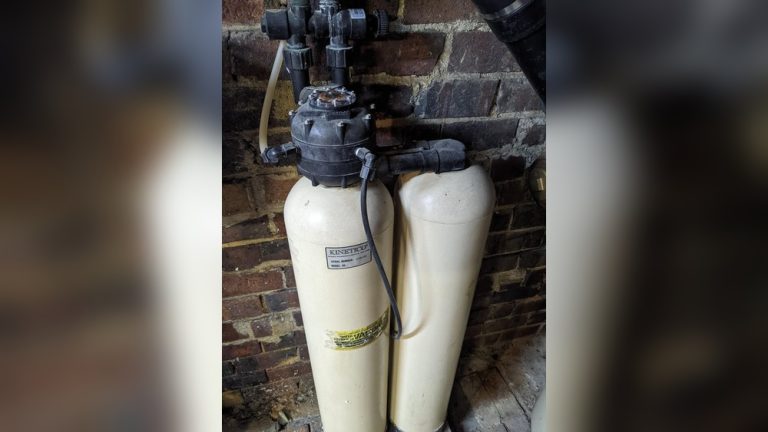
Credit: www.reddit.com
Basic Troubleshooting Steps
Water softener systems need regular care to work well. Basic troubleshooting helps find common problems fast. It saves time and avoids costly repairs. Follow these simple steps to check your system.
Check Salt Levels
Salt is key for soft water. Low salt means the system cannot clean hard minerals. Open the salt tank lid. Look inside to see the salt level. Add salt if the level is low. Use the type of salt your system needs.
Inspect For Salt Bridges
Salt can form hard clumps called salt bridges. They block salt from dissolving in water. Gently tap the salt surface with a broom handle. If it feels hard or hollow, break the bridge carefully. Remove large chunks if needed.
Reset The System
Sometimes the system needs a reset. This clears errors and restarts the process. Find the reset button or switch on your system. Hold it for a few seconds. Wait for the system to restart. Check if the water feels soft again.
Cleaning And Maintenance Tips
Keeping your water softener system clean helps it work well and last longer. Dirt and salt build-up can cause problems. Regular maintenance stops these issues and keeps your water soft and fresh. Follow these simple cleaning tips to maintain your system.
Clean The Resin Tank
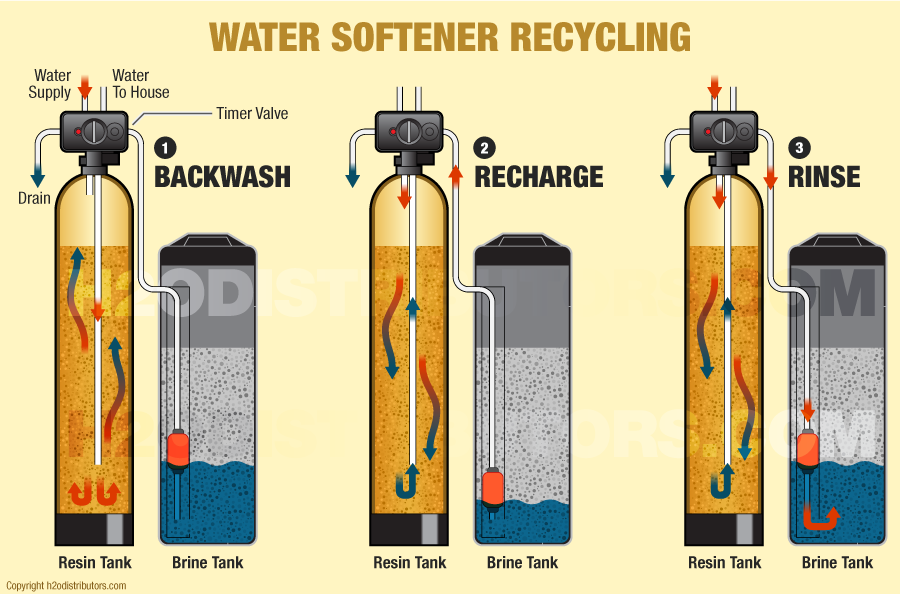
The resin tank holds tiny beads that soften water. These beads can get dirty over time. Clean the tank by using a special resin cleaner. Pour the cleaner into the tank and run a cleaning cycle. This removes iron, dirt, and other debris. Clean the resin tank every few months for best results.
Flush The Brine Tank
The brine tank stores salt needed for the softening process. Salt can clump and block the system. Empty the tank and rinse it with water. Remove any salt build-up or sludge at the bottom. Fill the tank again with fresh salt. Flushing the brine tank once a year keeps the system working smoothly.
Replace Filters Regularly
Your water softener may have filters that catch dirt and particles. Old filters slow down water flow and reduce softening. Change these filters as the manufacturer suggests. Usually, filters need replacement every 3 to 6 months. Regular filter changes improve water quality and system efficiency.

Credit: www.homedepot.com
Fixing Common Mechanical Issues
Water softener systems sometimes stop working due to mechanical problems. Fixing these issues can bring back soft water quickly. Understanding common mechanical faults helps in easy troubleshooting. This section explains key problems and how to solve them.
Bypass Valve Problems
The bypass valve controls water flow in the softener. If stuck, water may bypass the system, causing hard water. Check the valve position and move it gently. Clean any dirt or debris around it. Replace the valve if it is broken or worn out. This often restores normal function fast.
Clogged Injector And Nozzle
The injector and nozzle help mix brine with water during regeneration. Clogs block this process, reducing softener efficiency. Remove the injector and nozzle carefully. Clean them with vinegar or warm water to dissolve salt deposits. Regular cleaning prevents build-up and keeps the system working well.
Resin Bead Replacement
Resin beads trap hard minerals in water. Over time, beads wear out or get dirty. This lowers softener performance and causes hard water. Replace resin beads every few years or when needed. Remove old beads and refill with new ones. This improves water quality and system life.
When To Call A Professional
Knowing when to call a professional for your water softener system saves time and avoids more damage. Some problems need expert care to fix properly. Recognizing these signs early helps keep your water soft and your system working well.
Persistent Hard Water
Hard water continues despite regular system use. Soap doesn’t lather well. Spots appear on dishes and sinks. These signs show your system may not soften water correctly. A professional can test the water and check the system. They find hidden issues causing hard water.
Electrical Or Control Board Issues
The system does not turn on or work right. Lights or displays may not respond. These point to electrical or control board problems. Fixing these parts needs special tools and skills. Professionals handle wiring and electronic parts safely. Avoid risks by calling an expert for these repairs.
Complex Repairs And Part Replacement
Some parts wear out or break over time. Valves, resin tanks, or timers might need replacing. Complex repairs require knowledge of your system model. Professionals know which parts fit and how to install them. They ensure the system runs smoothly after repair. Trying to fix complex issues alone can cause more damage.
Preventive Measures For Long-term Performance
Keeping a water softener system working well over time needs care and attention. Regular checks and proper use help avoid problems. Simple steps can keep the system running smoothly and extend its life. Follow these tips to protect your water softener and enjoy soft water every day.
Regular System Inspection
Check your water softener often. Look for leaks, salt levels, and any unusual sounds. Early detection of problems stops bigger damage. Inspect the brine tank and resin beads too. Clean parts if you see dirt or buildup. A quick look every month helps keep things right.
Use High-quality Salt
Choose salt made for water softeners. Pure salt works better and lasts longer. Avoid salt with many impurities. Low-quality salt can cause clogs and reduce efficiency. Pellet or crystal salt types are good choices. Using clean salt keeps your system clean and working well.
Schedule Routine Maintenance
Set a regular time for professional service. A technician can clean and check the system deeply. Routine care fixes small issues before they grow. Maintenance includes checking valves, cleaning tanks, and testing water hardness. Keep a maintenance schedule to protect your investment and ensure soft water.
Credit: nicolasperruche.com
Frequently Asked Questions
Why Is My Water Softener System Not Regenerating?
Your system may lack salt or have a clogged resin bed. Check salt levels and clean the resin tank regularly to ensure proper regeneration.
How Do I Reset A Malfunctioning Water Softener?
Locate the reset button or unplug the system. Wait 5 minutes, then plug it back in or press reset to restart the cycle.
What Causes Low Water Pressure In Softener Systems?
Clogged resin beads, blocked valves, or a dirty filter can reduce water flow. Inspect and clean these parts for better pressure.
Can Hard Water Damage A Faulty Softener?
Yes, untreated hard water can cause scale buildup and damage the system. Repair or replace the softener to prevent further issues.
Conclusion
A water softener system not working can cause many problems at home. Check the salt level and clean the resin tank regularly. Small fixes often solve the issue quickly. Call a professional if problems continue. Regular care helps keep water soft and clean.
Don’t let hard water damage your pipes or appliances. Taking action today saves money and stress tomorrow. Keep your system in good shape for smooth water flow. Simple steps make a big difference in water quality.