
Are you tired of dealing with hard water issues despite having a water softener system? If your system isn’t working right, you might face stubborn stains, dry skin, or even damage to your pipes and appliances.
Understanding common water softener system problems can save you time, money, and frustration. You’ll discover the key signs to watch for, what causes these issues, and simple steps you can take to fix them. Keep reading to make sure your water softener works perfectly and keeps your home running smoothly.

Credit: pacificcoastwatersystems.com
Common Water Softener Issues
Water softener systems help reduce hard water problems in homes. They improve water quality by removing minerals like calcium and magnesium. Sometimes, these systems face common issues that affect their performance. Knowing these problems helps maintain the system better and avoid costly repairs.
Salt Bridges
Salt bridges happen when salt forms a hard crust inside the brine tank. This crust stops the salt from dissolving properly. The softener cannot regenerate without dissolved salt. As a result, water hardness stays high. Salt bridges need to be broken up carefully to restore the system.
Resin Bead Problems
The resin beads trap hard minerals in the water softener. Over time, beads can wear out or become dirty. Worn resin beads reduce softening efficiency. Dirty beads clog the system and lower water flow. Replacing or cleaning resin beads fixes these issues.
Clogged Valves
Valves control water flow in the softener. Dirt or debris can clog these valves. A clogged valve stops water from moving properly. This causes poor softening or no softening at all. Cleaning or replacing valves helps the system work well again.
Salt Mushing
Salt mushing happens when salt breaks down into a thick sludge. This sludge blocks the brine tank and pipes. The softener cannot use the salt effectively. Salt mushing needs to be removed to keep the system running smoothly.
Water Pressure Drops
Water pressure may drop due to softener issues. Clogged parts or buildup inside the system lower pressure. Low pressure affects water flow in the whole home. Checking and fixing the softener can restore normal water pressure.
Root Causes Of Softener Failures
Water softener systems help reduce hard water problems. Yet, these systems can fail. Understanding the root causes helps fix issues faster. It also prevents future breakdowns. Common causes include mineral buildup, wrong salt, poor maintenance, electrical faults, and wrong settings.
Hard Water Mineral Buildup
Hard water contains calcium and magnesium. These minerals build up inside the softener tank. Over time, this buildup clogs the system. It reduces water flow and softening efficiency. Cleaning the tank regularly stops this problem.
Improper Salt Type
Using the wrong salt harms the softener system. Some salts leave residue inside the tank. This residue blocks water and damages parts. Using high-quality salt designed for water softeners is essential. It keeps the system working well.
Lack Of Maintenance
Ignoring regular maintenance causes many softener failures. Salt bridges and resin beads need checking. Cleaning and refilling salt on time keeps the system healthy. Regular service extends the life of the softener.
Electrical Malfunctions
Water softeners often rely on electrical components. Faulty wiring or control board issues stop the system from working. Power surges can also damage electronics. Checking electrical parts ensures smooth operation.
Incorrect System Settings
Wrong settings cause poor softening results. Setting the wrong regeneration cycle wastes salt and water. The hardness level must match the local water quality. Proper settings improve performance and save resources.
Diy Fixes For Water Softener Problems
Water softener systems can face common problems. Many of these issues are easy to fix at home. Doing simple repairs can save time and money. Basic tools and a little patience often do the trick. Below are easy DIY fixes to keep your water softener working well.
Breaking Salt Bridges
Salt bridges form when salt hardens inside the brine tank. This stops salt from dissolving in water. Use a broom handle or stick to gently break the salt crust. Be careful not to damage the tank. After breaking the bridge, remove loose salt and clean the tank if needed.
Cleaning Resin Tank
The resin tank holds beads that soften water. Over time, resin beads can get dirty or coated. Use a resin cleaner made for water softeners. Follow the product instructions carefully. Clean the tank to improve softening performance and water flow.
Clearing Clogged Valves
Valves control water flow in the system. Dirt or salt can clog these valves. Turn off the water and power before cleaning. Remove valves and rinse them with clean water. Use a soft brush to clear any buildup. Reinstall valves properly to avoid leaks.
Replacing Salt
Salt is key for softening water. Low salt levels cause poor softening. Check the salt level in the brine tank monthly. Add high-quality salt pellets or crystals as needed. Avoid using table salt or rock salt, which can cause problems.
Resetting The System
Sometimes, resetting fixes system errors. Find the reset button or follow the manual steps. Turn off the system, wait a few minutes, then turn it back on. This can clear error codes and restart the softening cycle.

Credit: www.culligan.com
Professional Repair And Replacement
Water softener systems need care to work well. Sometimes, problems arise that require expert help. Professional repair and replacement ensure your system runs smoothly. Skilled technicians can find and fix issues quickly. They also know which parts need changing to avoid future troubles. Proper service saves money and time in the long run.
When To Call A Technician
Call a technician if the water feels hard or tastes odd. Strange noises or leaks also mean it’s time for help. If your system stops working or cycles too often, get expert advice. Professionals can diagnose problems that are hard to see. Early repair prevents bigger and costly damage later.
Parts That May Need Replacement
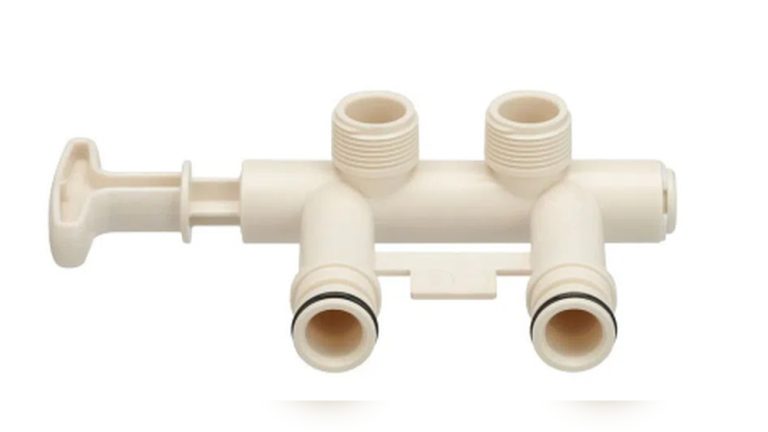
Common parts to replace include resin beads, valves, and timers. Resin beads lose effectiveness over time and stop softening water. Valves may wear out and cause leaks or poor flow. Timers can fail and disrupt the regeneration cycle. Replacing these parts keeps the system efficient and reliable.
Cost Estimates For Repairs
Repair costs vary depending on the problem and parts needed. Small fixes may cost under $100. Larger repairs or part replacements can run between $200 and $500. Always ask for a detailed estimate before work starts. Investing in repairs extends the system’s life and saves on water damage expenses.
Upgrading Older Systems
Older water softeners may not work well with today’s water quality. Upgrading improves performance and reduces energy use. New models offer better controls and use less salt. Professionals can recommend the best upgrade for your home. A modern system brings cleaner, softer water with less hassle.
Preventive Measures To Extend System Life
Preventive measures help keep a water softener system working well for years. Taking care of the system stops problems before they start. It saves money and ensures soft water at all times. Small daily actions make a big difference in system life and performance.
Regular Salt Addition
Adding salt regularly is essential for the system to work properly. Check the salt level every week. Refill before it gets too low. Without enough salt, the system cannot remove hardness from water. Use clean salt to avoid blockages and damage.
Scheduled Cleaning
Cleaning the system keeps it free from dirt and buildup. Clean the brine tank and resin beads at least once a year. This prevents clogs and helps the system run smoothly. Follow the manufacturer’s instructions for safe cleaning steps.
Routine System Checks
Check the system parts often to catch small problems early. Look for leaks, cracks, or unusual noises. Test the water softness regularly. Fix issues immediately to avoid bigger repairs. Keep the system’s manual handy for quick troubleshooting.
Using The Right Salt Type
Choose the correct salt type recommended for your system. Different salts dissolve differently and affect system efficiency. Pellet salt or solar salt usually works well. Avoid rock salt as it may contain impurities. Right salt ensures longer system life.
Monitoring Water Quality
Keep an eye on water quality entering the system. Hard water with high mineral levels can cause faster wear. Test water hardness and iron content regularly. Use pre-filters if needed to protect the softener. Clean water helps the system last longer.
Credit: www.simplewatersofteners.com
Frequently Asked Questions
What Causes A Water Softener System To Stop Working?
A water softener may stop working due to salt bridging, resin bead issues, or clogged valves. Regular maintenance prevents these problems and ensures proper function.
How Do I Know If My Water Softener Needs Repair?
Signs include hard water spots, salty taste, or reduced water flow. These indicate resin or system malfunctions needing professional inspection.
Can A Water Softener System Leak Cause Damage?
Yes, leaks can damage floors and walls, leading to costly repairs. Promptly fixing leaks protects your home and system efficiency.
Why Is My Water Softener Not Regenerating Properly?
Improper regeneration is often due to timer issues, salt depletion, or clogged injectors. Checking these parts ensures effective softening cycles.
Conclusion
Water softener system problems can cause many daily issues. Detecting them early saves time and money. Regular checks help keep the system working well. Simple fixes often solve common troubles fast. Knowing when to call a professional is smart. Clean water means better appliances and skin health.
Stay aware and maintain your system often. This keeps your water soft and your home happy. Small efforts bring big benefits in the long run.