

Are you tired of dealing with hard water stains, dry skin, or appliances that don’t last as long as they should? A water softener can be the solution you need.
But where should you install it to get the best results? The location of your water softener matters more than you might think.
Choosing the right spot for your water softener matters a lot. Place it where water enters your home first. This protects pipes and appliances from hard water damage. Keep it near a drain and power source for easy use. Avoid spots that get too cold or wet.
Ideal Locations For water softener installation
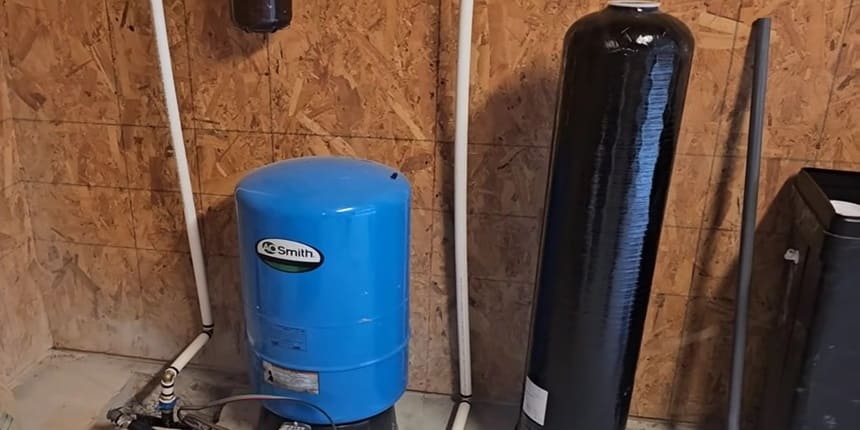
Choosing the right spot for your water softener is important. The location affects how well it works and how easy it is to keep it running. Picking a good place can save time and money.
The water softener should be placed where it can treat all the water coming into your home. It also needs space for maintenance and repairs. These points help you find the best spot.
#1 Near The Main Water Line
Install the softener close to the main water line. This location treats all water before it spreads through your home. It protects pipes and appliances from hard water damage. It also stops scale buildup early.
#2 Close To The Water Heater
Placing the softener near the water heater can improve efficiency. Soft water reduces scale inside the heater. This helps the heater last longer and saves energy. The softener must be upstream of the heater.
Accessible Areas For Maintenance
Choose a spot that is easy to reach. Regular checks and refills make the softener work well. Avoid cramped or hidden places. Leave enough room to open the unit and replace parts.
Factors Influencing Where Should a Water Softener Be Installed
Several factors affect where it can be installed. These factors ensure the softener works well and lasts longer. Consider space, plumbing, and electrical needs carefully before installation.
1. Space Availability
Space is a key factor for placing a water softener. The unit needs enough room for installation and maintenance. It should fit without blocking other appliances or walkways.
Also, allow space around the softener for cleaning and repairs. A cramped spot can cause trouble later.
2. Plumbing Configuration
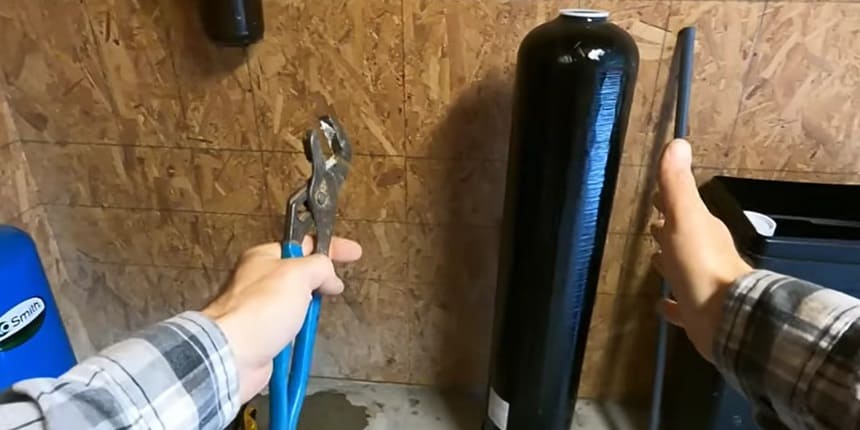
The water softener must connect easily to your home’s plumbing. Place it near the main water line before water reaches appliances. This setup treats all water entering the house.
Pipes should be accessible for connections and future service. Poor plumbing access can increase costs and complexity.
3. Electrical Access
Water softeners often need electricity to run control valves and timers. Install the unit near a power outlet. Avoid using extension cords for safety reasons.
Electrical access should be dry and safe from water exposure. Without power, the softener may not function correctly.
Common installing water softener Mistakes
Installing a water softener correctly is very important. Many common mistakes can cause problems. These mistakes affect the system’s performance and lifespan.
#1: Preventing Freezing Issues
Water softeners can freeze in cold places. Freezing damages parts and stops the system. Install the softener in a warm area. Avoid outdoor spots without protection. Use insulation if needed to keep pipes warm.
#2: Keeping Away From Direct Sunlight
Direct sunlight can harm the water softener. Heat can cause plastic parts to crack. Place the unit in a shaded or indoor spot. This helps keep the softener safe and long-lasting. Avoid spots near windows or glass doors.
#3: Ensuring Proper Drainage
Water softeners need good drainage to work right. Poor drainage causes water to back up. This can lead to leaks or damage. Make sure the drain pipe is clear and sloped downward.
Install water softener system In Different Property Types
Installing a water softener depends on the property type. Each property has unique needs and space limits. Here are some tips for different property types.
> Single-family Homes
Single-family homes usually have more space for installing home water softener systems. The ideal spot is near the main water line entry. This location treats all water entering the home.
Common places include basements, utility rooms, or installing water softener in garage.
Easy access is important for maintenance and salt refills. Keep the unit away from heat and direct sunlight.
> Apartments And Condos
Apartments and condos have limited space and shared water lines. Installing a water softener inside the unit is best for small spaces. Bathrooms or kitchen areas work well if plumbing allows.
Some buildings require permission from management. Portable or compact models fit better in tight spots. Maintenance access can be more challenging in these properties.
> Commercial Buildings
Commercial buildings need larger water softeners to handle more water. Placement depends on building size and water use. Mechanical rooms or basements often serve as good locations.
The unit must be near the main water supply for full coverage. Easy access for technicians is crucial. Planning helps avoid disruption to business operations during installation.
Professional Vs. installing water softener yourself
Choosing between professional and DIY installation for a water softener can be tricky. Both methods have their own advantages and challenges.
Benefits Of Hiring Experts
Experts bring experience and knowledge to the installation process. They know local plumbing codes and safety rules. This reduces the risk of mistakes that could cause leaks or damage.
Professionals install the softener quickly and efficiently. They also offer warranties and support after installation. This provides peace of mind for many homeowners.
Experts ensure the system works correctly from the start. This helps the softener last longer and perform better.
Tools And Skills Needed For Diy
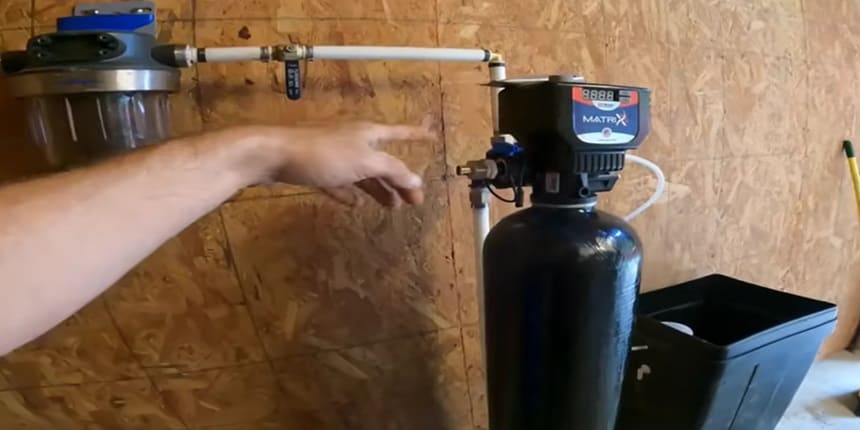
DIY installation requires basic plumbing tools like wrenches and pipe cutters. You must understand how to read installation guides and plumbing diagrams. Skills in measuring and cutting pipes precisely are important.
Knowing how to shut off water and drain pipes safely is necessary.
Some knowledge of electrical work may be needed for certain models.
Patience and attention to detail help avoid errors. DIY can save money but demands time and careful work.
Frequently Asked Questions
Where Is The Best Location To Install A Water Softener?
The best location is near the main water line entering your home. This ensures all water is softened before use. It is usually in a basement, garage, or utility room with easy drainage access.
Should A Water Softener Be Installed Before Or After The Water Heater?
Install the water softener before the water heater. This protects the heater from scale buildup and extends its life. Softened water heats more efficiently and prevents costly damage.
Can A Water Softener Be Installed Outdoors?
Outdoor installation is possible but not ideal. Extreme temperatures can damage the unit. If outdoor, ensure it is protected from weather and insulated properly.
How Close Should A Water Softener Be To The Main Water Line?
The water softener should be within a few feet of the main water line. Close proximity reduces plumbing complexity and ensures effective water softening throughout the home.
[…] best place to install a water softener filter is near the main water supply line. This allows it to treat all incoming water before […]