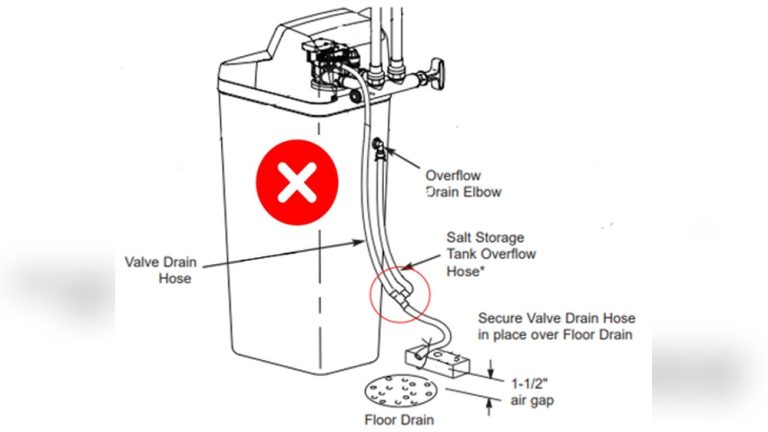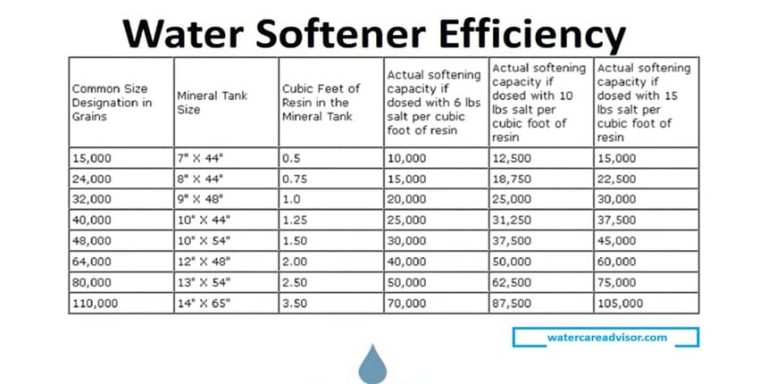

Choosing the right size PEX tubing for your water softener might seem simple, but it can make a big difference in how well your system works. If you pick the wrong size, you could face low water pressure, leaks, or even damage to your equipment.
You want your water softener to run smoothly and last a long time, right? You’ll discover exactly what size PEX tubing you need and why it matters. Keep reading to make sure your water softener setup is just right no guesswork, no costly mistakes.
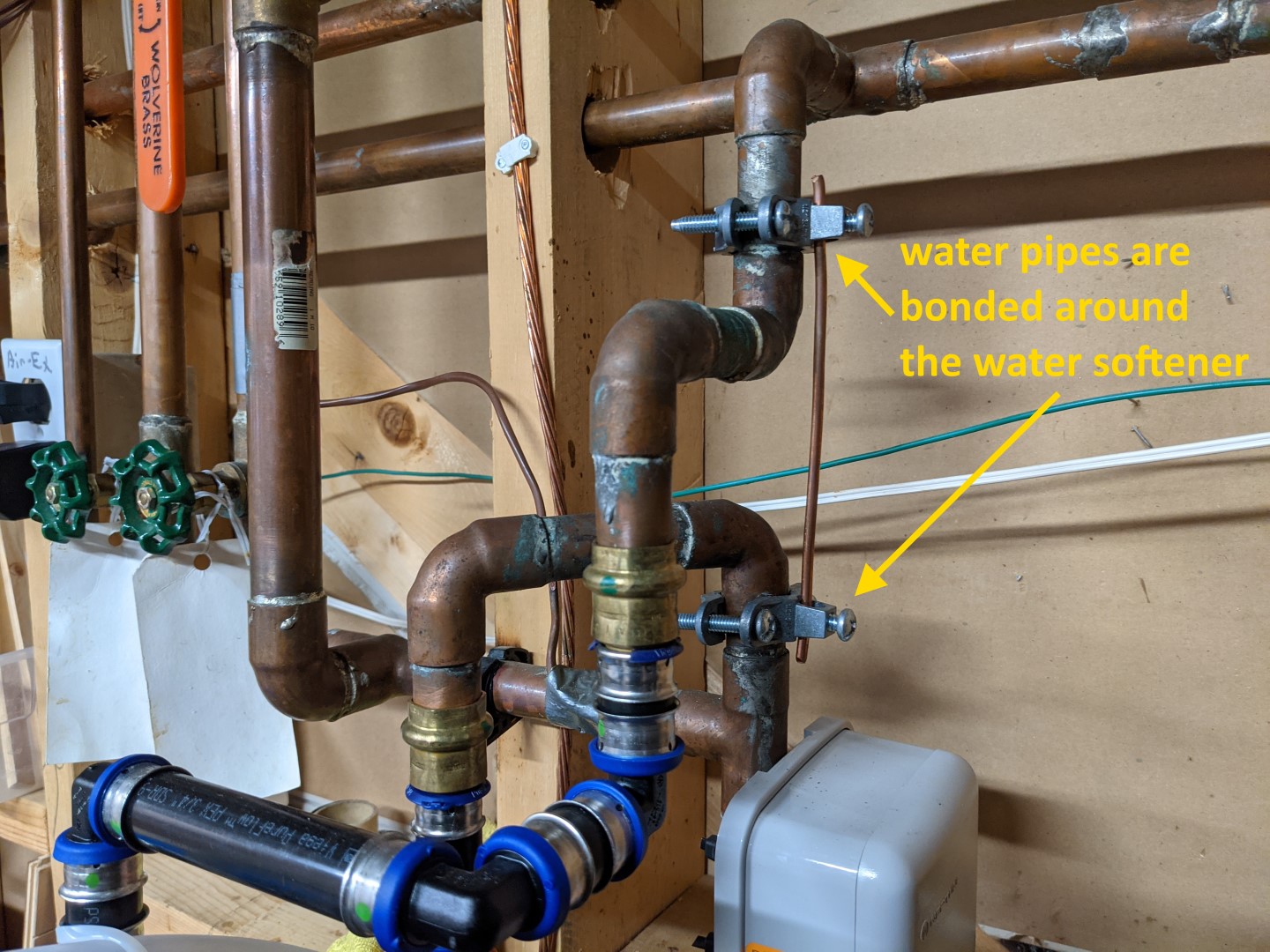
Credit: structuretech.com
Choosing Pex Size
Choosing the right PEX size for your water softener is important. It affects water flow and system performance. Using the correct size ensures your softener works well and lasts longer.
Many people do not realize that PEX tubing comes in different sizes. Each size serves a specific purpose in plumbing systems. Knowing these sizes helps you pick the best one for your water softener.
Common Pex Sizes
PEX tubing usually comes in ½ inch, ¾ inch, and 1 inch diameters. The ½ inch size fits small fixtures or short water lines. The ¾ inch size is the most common for residential water softeners. The 1 inch size works best for larger homes or higher water demand.
Impact On Water Flow
PEX size directly affects water flow speed. Smaller pipes restrict flow and reduce water pressure. Larger pipes allow more water to flow easily. Choosing the right size prevents slow water delivery and protects your softener from damage.
Matching Softener Requirements
Check your water softener’s manual for recommended PEX size. Manufacturers suggest sizes based on flow rate and system capacity. Follow these guidelines to keep your softener efficient. Using the right size also helps avoid leaks and other issues.
Water Softener Connection Basics
Connecting a water softener properly helps it work well and last longer. Understanding the right pipe size and parts makes the setup easier. This guide covers the main points for a smooth connection.
Knowing the inlet and outlet sizes, pipe types, and fitting options is important. These details help prevent leaks and ensure good water flow. Let’s explore these key elements.
Inlet And Outlet Dimensions
Water softeners usually have specific inlet and outlet sizes. Common sizes are 3/4 inch or 1 inch. Check your softener’s manual to find the exact size. Using the right size keeps water flowing without pressure drop. Wrong sizes can cause leaks or poor performance.
Pipe Compatibility
Pex pipes are popular for water softeners because they are flexible and durable. They come in different sizes, matching standard water softener connections. Make sure the Pex size matches the inlet and outlet. This avoids extra adapters and reduces leak risks. Pex works well with copper or PVC pipes too.
Fittings And Adapters
Fittings connect the softener to your home’s plumbing. Use quality fittings made for Pex pipes. Brass or plastic fittings are common choices. Adapters help join different pipe types or sizes. Secure fittings tightly to prevent leaks. Proper fittings keep water softener running smoothly.
Flow Rate And Pressure Considerations
Choosing the right PEX size for a water softener means understanding flow rate and pressure. These two factors affect how well your system works. Proper flow keeps water softening efficient. Good pressure ensures water moves through pipes without trouble. Both must be balanced for best results.
Calculating Flow Needs
Start by finding how much water your softener uses. Check the gallons per minute (GPM) rating of your softener. This number shows the water flow needed for proper operation. Match your PEX pipe size to support this flow. Too small a pipe limits water flow. Too large wastes space and money.
Pressure Drop Factors
Pressure drops happen when water flows through pipes. Longer pipes and more fittings cause bigger drops. Narrow pipes raise pressure drop. This lowers water pressure at the softener. Low pressure can cause poor softening or slow water flow. Choose PEX size that reduces pressure loss.
Optimizing Performance
Select PEX size to keep pressure steady. Use 3/4-inch PEX for most water softeners. It supports common flow rates and limits pressure drop. Larger pipes may help if your flow is very high. Proper pipe size keeps water softener working well. It saves energy and prevents wear.

Credit: www.reddit.com
Installation Tips
Installing PEX pipes for a water softener needs care and attention. Proper installation ensures the system works well and lasts long. Follow these tips for smooth setup and fewer problems.
Proper Pex Cutting And Fitting
Cut PEX pipes straight and clean. Use a sharp PEX cutter for smooth edges. Avoid jagged or angled cuts that cause leaks. Fit the pipe firmly into the fitting. Check for tight connections before moving on.
Avoiding Common Mistakes
Do not bend pipes sharply; this can cause cracks. Avoid mixing pipe sizes without the right adapters. Keep pipes away from sharp objects and heat sources. Check all connections twice to prevent leaks. Use the correct PEX size as recommended for your softener.
Securing Pipes And Connections
Secure pipes with clamps or straps every few feet. This prevents movement and stress on joints. Leave space for pipe expansion. Avoid overtightening clamps that can damage the pipe. Regularly inspect connections for wear or leaks after installation.
Maintenance And Troubleshooting
Maintaining your PEX piping for a water softener ensures smooth water flow and system efficiency. Troubleshooting common issues early helps avoid costly repairs. Simple checks and repairs keep your system running longer.
Checking For Leaks
Leaks often start as small drops or damp spots around PEX connections. Inspect all joints and fittings regularly. Look for wet areas or corrosion signs. Tighten loose clamps or fittings gently. Early leak detection prevents water damage and saves money.
Replacing Pex Sections
Damaged PEX pipes can cause water flow problems and leaks. Cut out the damaged section using a pipe cutter. Replace it with the same size PEX pipe to maintain pressure. Use proper fittings and clamps for secure connections. Always test for leaks after replacement.
Ensuring Longevity
Keep PEX pipes away from direct sunlight to prevent damage. Avoid sharp bends or kinks that weaken the pipe. Regularly flush the water softener system to reduce sediment buildup. Proper installation and care extend the pipe’s lifespan significantly.
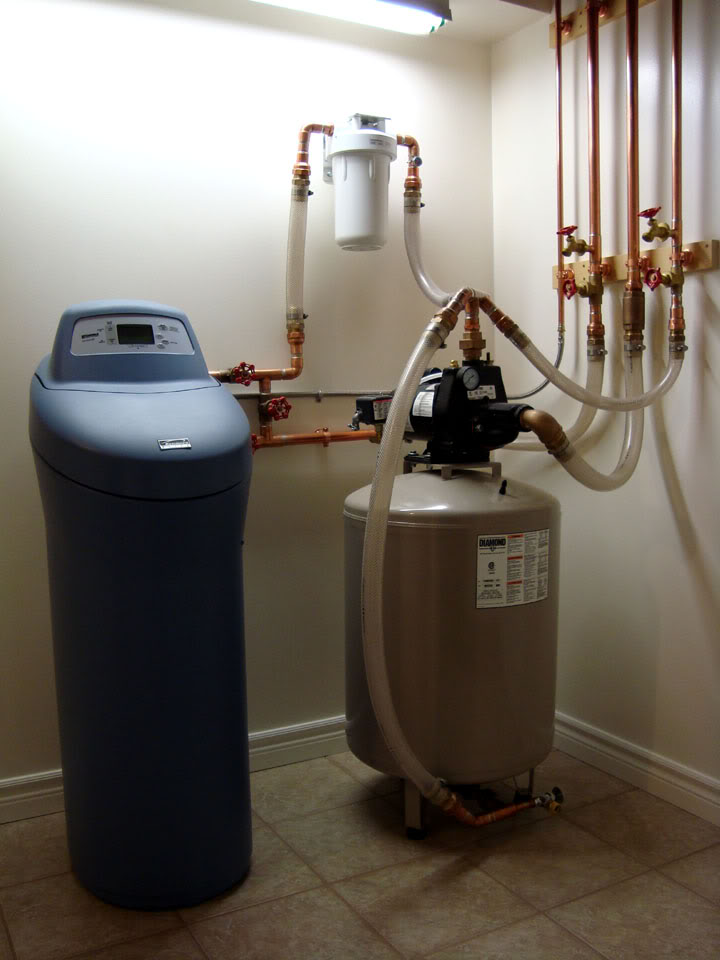
Credit: www.alsplumbingllc.com
Frequently Asked Questions
What Size Pex Tubing Is Best For Water Softeners?
Typically, 3/4-inch PEX tubing is ideal for water softeners. It ensures proper flow rates and pressure for efficient operation. This size fits most standard water softener connections and reduces pressure drops in residential systems.
Can I Use 1/2-inch Pex For My Water Softener?
While 1/2-inch PEX can connect to smaller systems, it may restrict water flow. This size is not recommended for most water softeners as it can reduce efficiency and increase regeneration time.
How Does Pex Size Affect Water Softener Performance?
PEX size impacts water flow and pressure. Too small tubing limits flow, causing poor softening. Proper size, usually 3/4-inch, ensures efficient water treatment and system longevity.
Is 1-inch Pex Tubing Necessary For Water Softeners?
1-inch PEX is generally unnecessary for residential water softeners. It’s used in larger commercial systems. For home use, 3/4-inch tubing provides optimal balance between flow and cost.
Conclusion
Choosing the right PEX size for your water softener ensures smooth water flow. Usually, 3/4-inch PEX pipes work best for most systems. Using the correct size prevents pressure drops and system issues. Keep your plumbing simple and efficient for long-lasting performance.
Always check your water softener’s instructions before installation. Proper pipe sizing helps save time and money later. Small details make a big difference in your water setup.