

Is your water softener system not using salt like it should? This can be frustrating because salt is key to keeping your water soft and your appliances running smoothly.
If you’re wondering why your system isn’t working right or if it’s safe to keep using it this way, you’re in the right place.
Check the salt level and refill if needed. Clean the brine tank regularly to avoid blockages. Inspect the system for mechanical problems or settings errors.
You’ll discover the common reasons behind this issue and simple steps you can take to fix it and get your water softener back on track.
Causes Of Salt free water softener
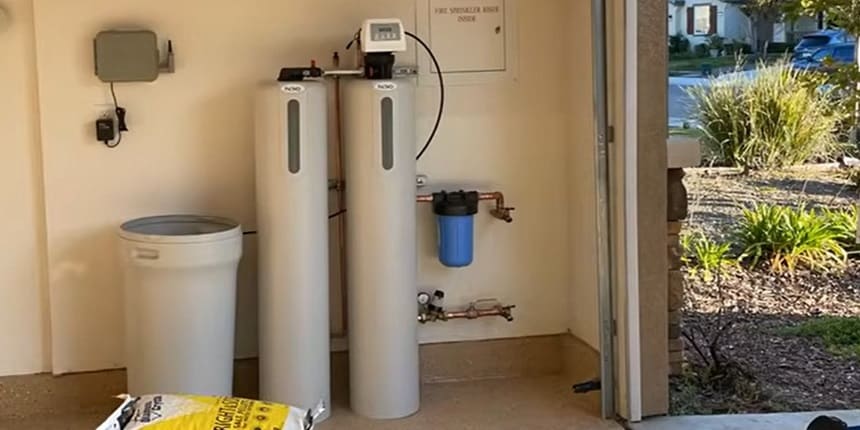
A water softener system not using salt can lead to hard water problems. Several common causes can lead to salt-free operation. These problems affect the system’s ability to soften water properly.
#1: Salt Bridge Formation
A salt bridge forms when salt hardens into a crust inside the tank. This crust blocks salt from dissolving in water. The system cannot regenerate the resin beads without salt.
Salt bridges often happen due to high humidity or poor maintenance.
Breaking the crust solves the issue and restores salt use.
#2: Salt Mushing Issues
Salt mushing occurs when salt granules stick together at the tank’s bottom. This creates a thick layer of mushy salt.
The mush blocks water flow and stops salt from dissolving. It can cause the system to stop softening water.
Cleaning the tank removes the mush and fixes the problem.
#3: Salt Level Problems
Low salt levels cause the system to stop softening water. If the salt runs out, the system cannot regenerate properly.
Check the salt level regularly and refill as needed.
Using the wrong salt type can also cause salt use issues. Keep salt clean and dry for best results.
#4: Control Valve Malfunctions
The control valve manages salt use during regeneration cycles. A faulty valve may skip salt use or run cycles incorrectly. This stops the system from softening water.
Valve issues need professional repair or replacement.
Regular system checks help catch valve problems early.
Checking Salt Bridge And Salt Mushing
Checking the salt bridge and salt mushing is key to fixing a water softener that does not use salt properly.
These problems stop salt from dissolving in water. This prevents the softener from working well. Know here how to spot and fix these issues saves time and effort.
Step 1: Identifying Salt Bridges
A salt bridge is a hard crust that forms in the salt tank. It looks like a solid layer of salt above the water. This layer stops salt from mixing with water below.
To find a salt bridge, gently push a broomstick into the salt. If it feels hard and does not move, a bridge may be present. The salt below might be dry and not dissolving.
Step 2: Breaking Up Salt Mush
Salt mush is soft, wet salt that clumps at the bottom of the tank. It blocks water from flowing through salt. To break up salt mush, use a long stick or broom handle. Stir and crush the clumps carefully.
Remove any large chunks with a scoop. Avoid damaging the softener parts. This helps the salt dissolve and the system to work again.
Step 3: Preventing Future Salt Bridges
Keep the salt tank clean and dry on top.
Use high-quality salt that dissolves well. Avoid overfilling the tank with salt. Check the tank regularly for hard salt layers. Running the softener on a full regeneration cycle also helps.
These steps stop salt bridges from forming again. This keeps the water softener running smoothly.
Inspecting Salt Levels And Quality If water softener salt not dissolving
Checking salt levels and salt quality is key for a water softener system to work well. Salt helps the system remove hard minerals from water. Without the right amount or good quality salt, the system may stop using salt properly.
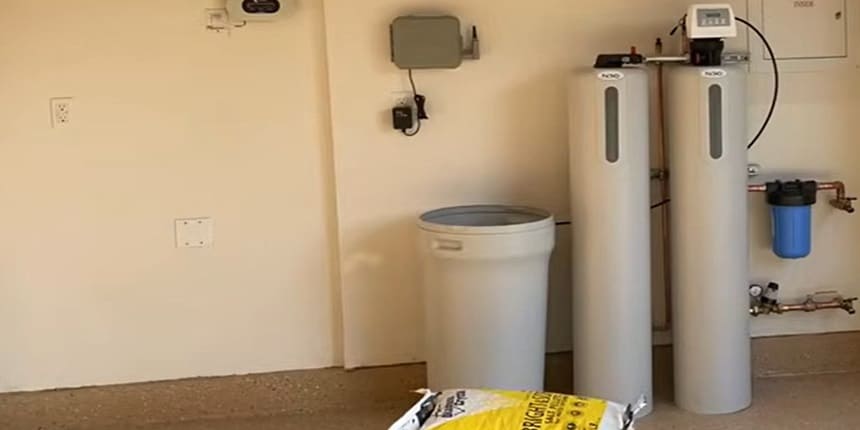
1. Ideal Salt Levels
Salt levels should stay above the minimum mark in the brine tank. Low salt means the system cannot create enough brine. This stops softening water correctly.
Check salt levels every month. Refill the tank before salt runs too low. Do not overfill the tank either. Leave space for salt to dissolve and water to move freely.
2. Using The Right Salt Type
Choose salt made for water softeners. Common types include pellet, crystal, and block salt. Pellet salt dissolves evenly and works well. Crystal salt may leave residue that clogs the system. Block salt takes longer to dissolve.
Pick the type that fits your softener model. Avoid table salt or rock salt, as they contain impurities.
3. Avoiding Contaminated Salt
Salt must be clean and dry. Contaminated salt clogs the tank and pipes. Keep salt in a sealed container to stop moisture and dirt.
Moist or dirty salt forms clumps and hardens. This lowers the salt’s ability to soften water.
Check salt before use. Discard any salt with visible dirt or lumps.
Examining The Control Valve And Settings
The control valve is the brain of your water softener system. It manages salt usage and controls regeneration cycles.
Examining the control valve and its settings helps find why your system is not using salt. Small issues with the valve can stop the salt from being used correctly.
Checking the valve is simple but important. Adjusting or fixing the valve often solves common problems. This section explains how to reset water softener valve, check regeneration cycles, and inspect for mechanical issues.
water softener Control Valve reset
Resetting the control valve can clear errors in the system.
Turn off the power to the water softener first. Wait for a few minutes before turning it back on. This step helps the system restart fresh.
water softener resetting often restores normal salt use.
Checking Regeneration Cycles
The water softener regeneration cycle cleans the resin and uses salt.
Check if the cycle runs as scheduled. Look for missed or incomplete cycles on the control panel. Adjust the timer or settings to match your water usage.
Inspecting For Mechanical Issues
Mechanical problems can block salt use. Inspect the valve for cracks or leaks. Check if the moving parts operate smoothly. Look for salt bridges or clumps in the brine tank. Clean or replace parts if needed.
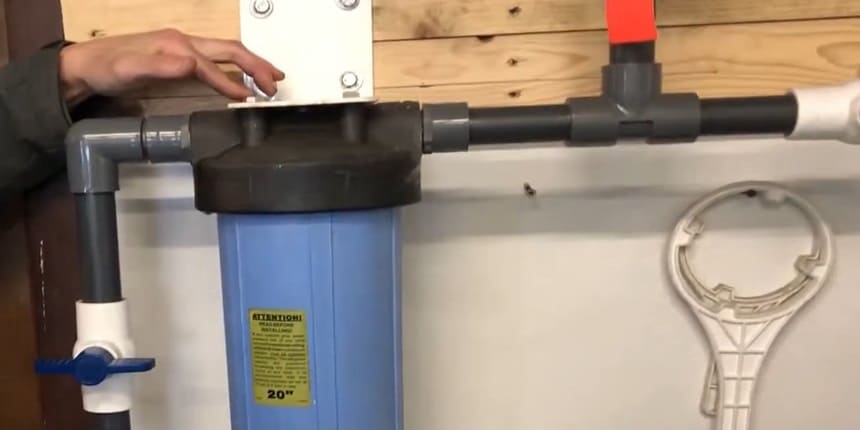
How To Clean Water Softener Brine Tank
A clean brine tank helps the system work well and last longer. It stops salt from clumping and keeps the water soft. Regular care avoids common problems and saves money on repairs.
Care #1: Removing Sediment Build-up
Over time, sediment can settle at the bottom of the brine tank. This buildup blocks salt from dissolving properly.
To remove sediment, first turn off the water softener.
Then, empty the tank and clean out the sludge with water. Use a soft brush or cloth to scrub the sides gently. Rinse the tank well before refilling it with salt.
Care #2: Routine Cleaning Tips
Clean the brine tank every six months to keep it fresh.
Check for salt bridges or hardened salt chunks. Break up any clumps with a broom handle or stick.
Avoid using harsh chemicals that can damage the tank. Instead, use mild soap and warm water for cleaning. Keep the area around the tank dry and free from dirt.
Care #3: Ensuring Proper Brine Concentration
Proper brine concentration is key for soft water. Too little salt weakens the softening process. Too much salt can cause salt buildup and waste.
Check the salt level regularly and top it up as needed. Use high-quality salt designed for water softeners. Keep the brine solution clear and free of debris for best results.
When You Call Professionals If Not Works
Some problems require expert help. This prevents damage and saves time. Learn the signs that show a professional is needed.
Signs Of Complex Mechanical Failures
Water softeners not using salt can have serious issues.
- Water Softener strange noises may come from the system.
- Water may not soften properly.
- Salt may not dissolve or move as it should.
- Controls might fail to operate correctly.
These signs point to mechanical problems. Fixing these issues often needs special tools and knowledge.
FAQs of Water Softener Salt System
Why Is My Water Softener System Not Using Salt?
Your system may have a salt bridge or salt mush clogging the tank. Check for water softener salt blockage and break up hardened salt to restore function.
How To Fix A Water Softener Not Using Salt?
Inspect and clean the brine tank regularly. Remove salt bridges, ensure salt level is adequate, and check the float valve for proper operation.
Can A Faulty Salt Injector Cause Salt Issues?
Yes, a malfunctioning injector can prevent salt from entering the system. Inspect and replace the injector if it’s clogged or damaged.
Does Water Hardness Affect Salt Usage In Softeners?
Extremely hard water may require more salt for effective softening. Ensure your system settings match your water hardness level for optimal salt usage.
[…] high-quality salt made for water softeners. Avoid salt bridges or clumps. Break up any hardened salt […]