
Are you wondering where exactly your water softener filter should be placed? Finding the right location for your water softener filter can make a big difference in how well it works and how long it lasts.
Choosing the right spot for your water softener filter matters a lot. Place it where water enters your home for best results. A good location saves time and keeps water soft all day. This helps protect pipes and appliances from hard water damage.
If it’s in the wrong spot, you might face issues like poor water quality or costly repairs. You’ll discover simple tips to identify the best location for your water softener filter. Keep reading to learn how to protect your home’s plumbing and enjoy cleaner, softer water every day.
Signs Of Hard Water
Hard water leaves white spots on dishes and glassware. Soap may not lather well, causing a filmy residue on skin and hair. Clothes can feel rough and look dull after washing.
Water heaters and pipes may build up scale deposits, reducing their lifespan. Faucets and showerheads might clog, lowering water flow. Appliances like dishwashers and washing machines may work less efficiently and need repairs more often.
These signs show water has a lot of minerals, especially calcium and magnesium.
This can cause damage over time and raise energy bills. Recognizing these indicators helps decide if a water softener is needed.
Role Of Water Softener Filters
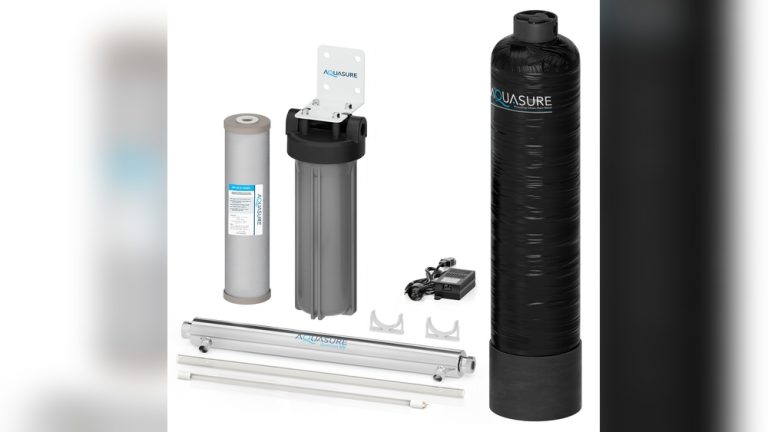
Water softener filters remove hard minerals like calcium and magnesium. These minerals make water “hard” and can cause damage to pipes and appliances. The filters work by trapping these minerals and stopping them from reaching your tap water.
There are different types of filters used in water softeners:
- Resin filters: These use tiny beads to catch hard minerals.
- Carbon filters: Remove chlorine and bad tastes from water.
- Salt-based filters: Exchange hard minerals with soft sodium ions.
Each filter type plays a role in making water safer and better for daily use.
Typical Water Softener Filter Locations
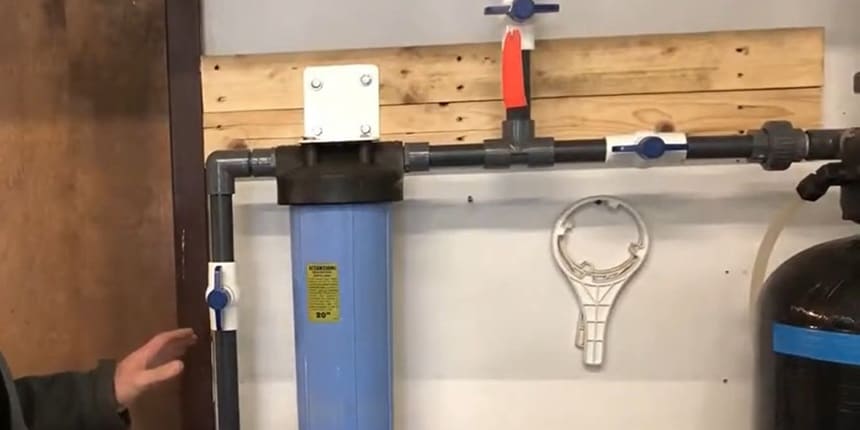
1. Near the Main Water Supply
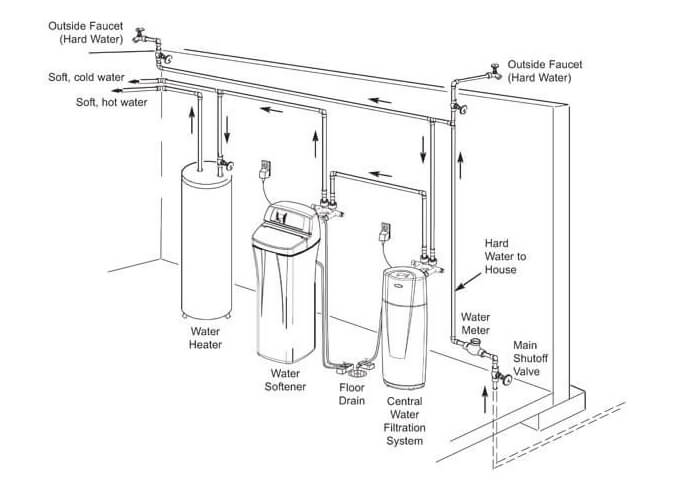
This is a common spot. This location lets the filter clean water before it spreads through the house. It helps protect pipes and appliances from hard water damage.
2. Inside the Water Softener Unit
The filter here works closely with the softener to remove minerals and impurities. It keeps the softener running smoothly and makes water softer.
3. At Point-of-Use Installations
Filters are placed where water is used most. Examples include under sinks or near showers. This setup gives extra clean and soft water just where it is needed.
Credit: whirlpoolwatersolutions.com
Steps To Locate Your Water Softener Filter
Start by examining the water softener unit. The filter is often inside or near this unit. Look for a small cover or a cartridge that can be removed. This part cleans the hard minerals from the water.
Next, trace the water supply lines. Follow the pipes that bring water to and from the softener. The filter is usually placed where water enters the system. This helps catch dirt before softening.
Check the manufacturer guides. These booklets or online manuals show exact filter locations. They also explain how to open and clean the filter safely. Keep the guide handy for future use.
Maintenance of water softener filter for home
Replace filters every 6 to 12 months for best results. Check the filter’s manual for exact timing.
A worn filter can cause hard water issues and damage the softener system.
Clean filters by rinsing them under cold water. Use a soft brush to remove dirt gently. Avoid harsh chemicals as they can harm the filter material.
Look for signs of filter wear like cracks, discoloration, or bad smells. Water flow may slow down if the filter is clogged. If water tastes strange or looks cloudy, it’s time to inspect the filter.
Common Issues With water softener filtration system
#1: Filter clogs
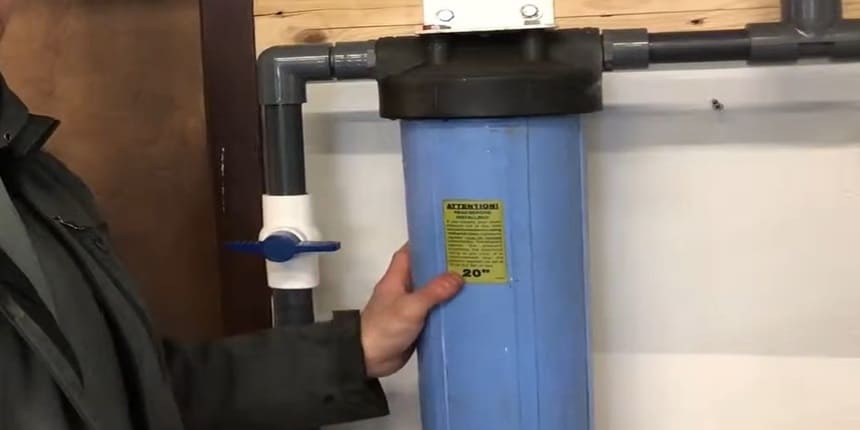
Filter clogs happen when dirt and minerals build up inside the filter. This blocks water flow and lowers water quality. Clean or replace filters regularly to avoid blockages.
#2: Water pressure problems
Water pressure problems often show as weak flow or sputtering taps. These issues can stem from clogged filters or wrong filter placement. Check the filter for debris and ensure it fits well in the softener system.
#3: Unusual water taste or smell
Unusual water taste or smell can mean the filter is old or damaged. Sometimes, bacteria grow inside the filter, causing bad odors. Replace filters on time and keep the softener clean to keep water fresh.
Where Is The Best Place To Install A Water Softener Filter?
The best place to install a water softener filter is near the main water supply line. This allows it to treat all incoming water before distribution. Typically, it’s placed in the basement, garage, or utility room for easy access and maintenance.
How Close Should A Water Softener Be To The Main Water Line?
A water softener should be installed within a few feet of the main water line. Proximity ensures efficient water softening and minimal pressure loss. It also simplifies plumbing connections and reduces the risk of leaks or damage.
Can A Water Softener Filter Be Placed Outdoors?
Placing a water softener filter outdoors is generally not recommended. Exposure to weather can damage the unit and affect performance. If outdoor installation is necessary, proper shelter and insulation are required to protect it from extreme temperatures.
Why Is Water Softener Filter Location Important?
Proper location ensures optimal performance, easy maintenance, and longevity of the water softener. It prevents damage from freezing, reduces plumbing complications, and ensures all household water is softened effectively.